



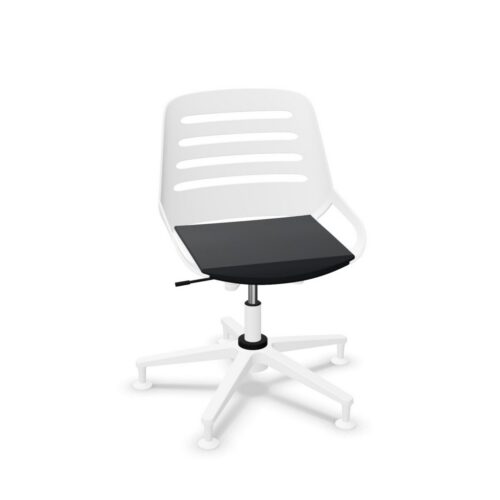


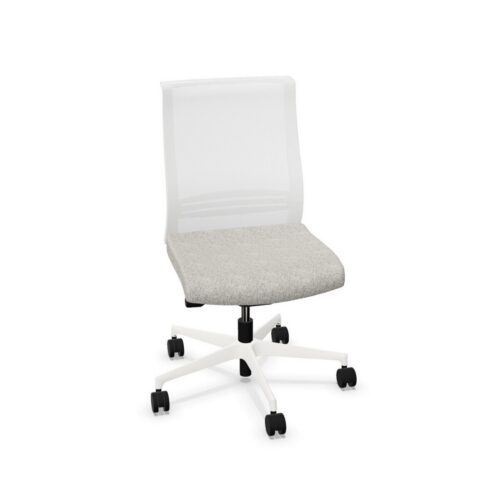
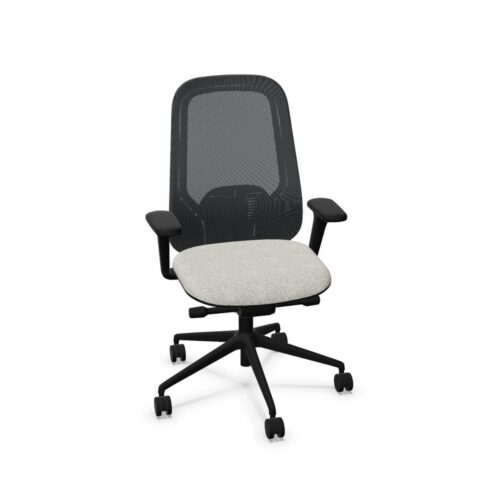
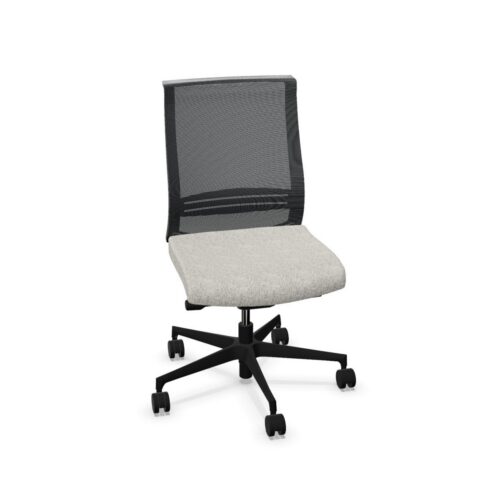




Make Fixed Depth The First Check
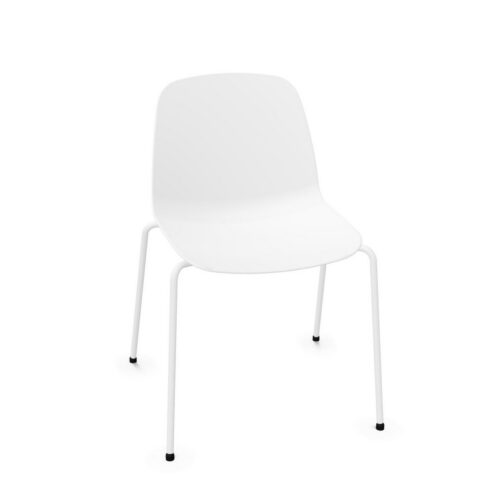
Seat depth deserves attention before time is spent refining the height setting. Ask the user to sit back naturally and assess the relationship between the seat front and the backs of their knees. Height-adjustable office chairs with fixed seat depth provide no depth control to change that relationship. Compare the actual seating length with the individual's proportions, rather than treating a general chair size as sufficient evidence. If the user moves forward to avoid the seat edge, record that observation and investigate it. The trial should capture how the person actually sits, including their contact with the backrest.
Use Height Adjustment For Vertical Fit
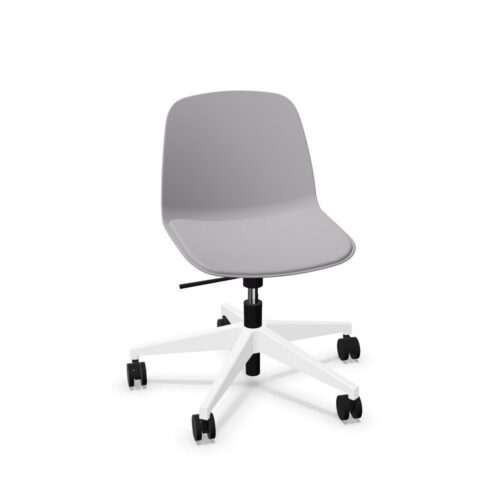
Once depth appears suitable, assess the seat level relative to the desk, floor and normal working equipment. Check the available height range rather than assuming that any adjustable chair reaches the required position. The control's accessibility and instructions also matter, particularly where several colleagues share a workstation. When evaluating office chairs, keep the distinction between dimensions clear: changing height does not supply a depth adjustment. Recheck the full position after each change, and ask the user to describe both desk access and seat contact. Record the final arrangement so different assessments can be compared on the same basis.
