

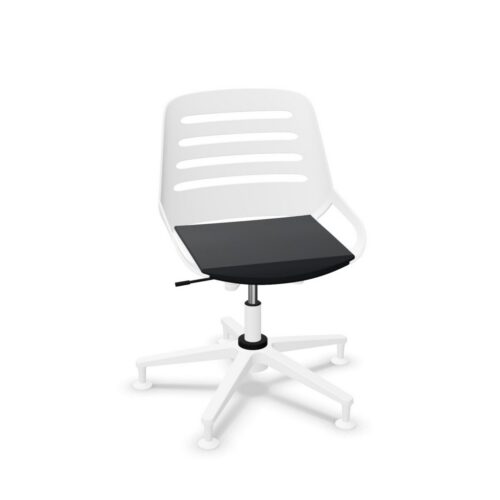
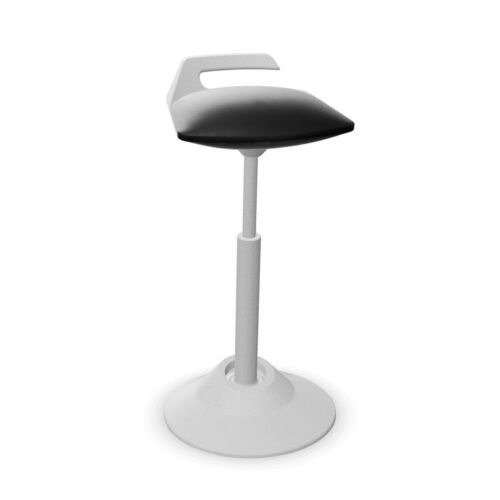
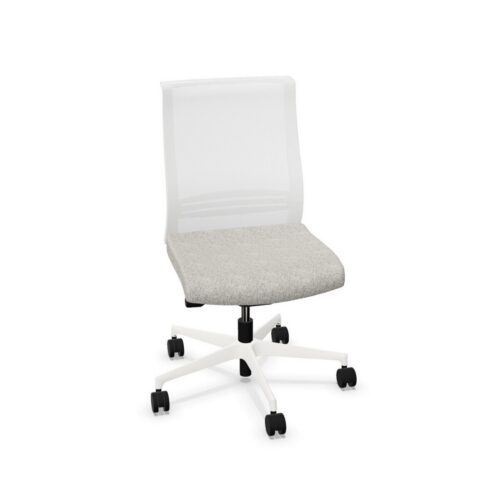
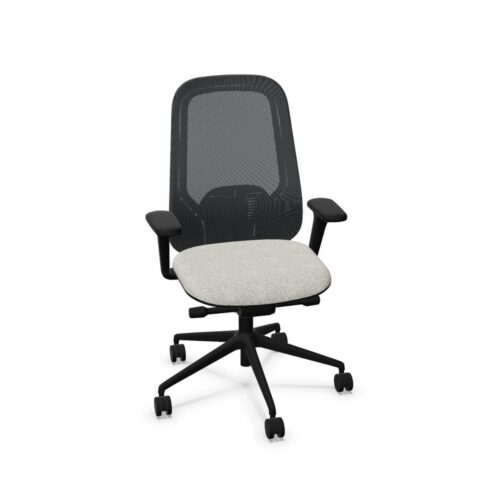
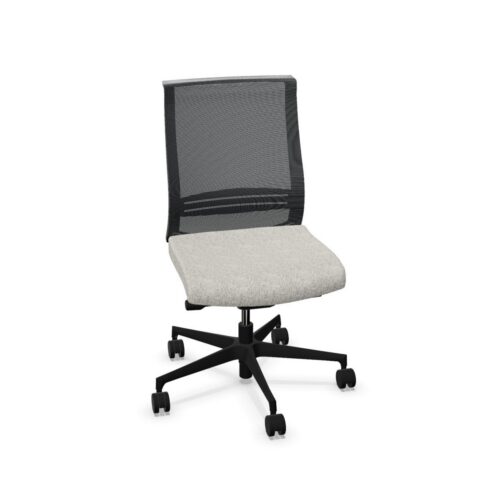
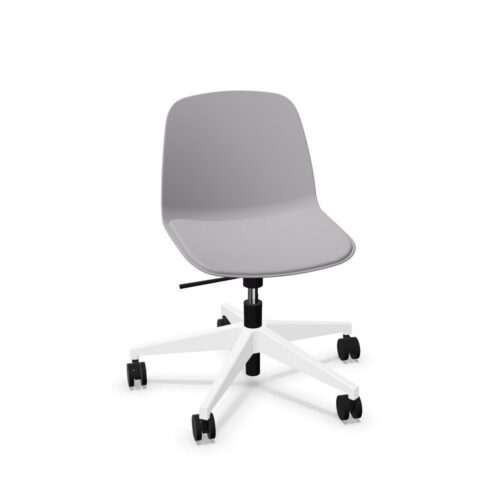
Seat Height That Adapts To Users

Adjustable seat height lets a user raise or lower the seat to suit their body dimensions, desk height and working position. It is a specific capability with a practical purpose: changing the relationship between the seated person and the surrounding workstation. The available range and control operation still need to be established for the actual chair, because the presence of adjustment alone does not answer those questions.

For an office manager, this selection offers a starting point for comparing seating across individual and shared workspaces. Seat depth, back height, armrests, lumbar support and headrests vary, so height adjustment should be assessed together with the rest of the configuration. Begin at the intended desk or table, ask users to establish a working position and identify whether the chair’s full set of features supports the activities planned for that location.

2 models
From €10.32 p/m
3 models
From €10.49 p/m
2 models
From €6.87 p/m
4 models
From €7.26 p/m
3 models
From €8.88 p/m
2 models
From €19.56 p/m
2 models
From €15.27 p/m
9 models
From €10.37 p/m
2 models
From €13.39 p/m
5 models
From €3.59 p/m
2 models
From €3.69 p/m
4 models
From €6.62 p/m
6 models
From €9.20 p/m
4 models
From €4.10 p/m
4 models
From €7.32 p/m
12 models
From €7.44 p/m
12 models
From €7.20 p/m
12 models
From €6.44 p/m
7 models
From €10.48 p/m
7 models
From €2.97 p/m

Specify The Usable Height Range

A brief that simply requests adjustable height leaves an important detail unresolved: which seat positions must the chair provide? Request the minimum and maximum seat heights for each proposed configuration and compare them with the users and work surfaces involved. Have users operate the control themselves during the assessment, checking whether they can understand and reach it. The selection confirms that the seat can be raised or lowered, but does not establish the range, control design or adjustment method for every chair. Those details belong in the practical comparison.

Test At The Workstation People Will Use

Position the chair at the actual desk or a representative surface with the same relevant dimensions. Ask the user to set the height and perform their normal tasks. Consider the resulting relationship between the seat, work surface and equipment rather than judging adjustment in isolation. Where the chair will move between locations, identify the surfaces it needs to accommodate and assess those arrangements. A suitable setting at one desk does not automatically establish suitability elsewhere. Record any limits so that the chair is assigned to a location whose requirements it can meet.

Create A Repeatable Setup For Shared Use

Shared chairs need to be assessed by more than one intended user. Ask each person to establish a suitable height after another person has changed the setting, then note whether the process is clear. Seat depth and back height adjustment can add further setup steps where included. Arm arrangements also differ, from 4D supports to fixed arms or no armrests. Lumbar support and headrests vary independently. Compare how these components work together during a handover, identifying which settings are essential for each person and which features remain fixed in the chosen configuration.

Keep Movement And Other Evidence Distinct

Height adjustment does not define the chair's wider movement arrangement. Mechanism descriptions vary within the selection, so ask how the confirmed seat height adjustment is provided and resolve any unclear combination of descriptions. Then complete the brief with upholstery, base construction and relevant care information. Standards, fire resistance designations and environmental evidence should be reviewed for the proposed chair. Two-year and five-year warranties occur in this group, alongside a stated maximum user load of 135 kg. Confirm the applicable terms and documentation while keeping the practical height assessment central to the workstation decision.

Seat Height Adjustment Questions

Does adjustable height mean every user will fit?

No. The actual height range needs comparison with the user's dimensions and the intended work surface. Other elements, including seat depth, backrest position and arm support, also affect whether the complete chair suits that person and activity.

What should be checked about the control?

Establish how the user raises and lowers the seat, where the control is located and what positions are available. A practical demonstration helps confirm that the person can operate the adjustment and repeat the setup when needed.

Is seat depth adjustment included automatically?

No. Seat depth adjustment varies within this selection and remains a separate feature. Confirm its presence and operation if it is required, then assess depth and height together as parts of the user's complete seated position.

Explore related selections