

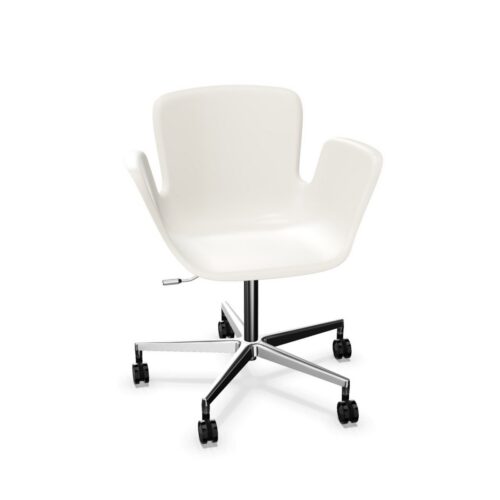
Office Chairs With Armrests And Unspecified Standards

Office chairs with armrests and unspecified standards need a clear assessment brief before individual features are compared. Armrests are present, but their movement and dimensions are not established by that fact. The standards position also remains open. For an office manager, these are two different information needs: understanding the physical support offered to users and clarifying the evidence relevant to the intended workplace. Addressing both makes comparisons more useful than starting from appearance or general impressions.

Describe the activities the seating must accommodate, including desk work, changes of position and the way people enter and leave the workstation. Then ask what the arms contribute during each activity. Compare office chairs through direct observation, supported by confirmed specifications where available. Keep questions about standardisation visible throughout the process, because unspecified information should remain a question until it is resolved. This approach gives colleagues a consistent basis for providing feedback and managers a clearer basis for allocation.

6 models
From €6.87 p/m
4 models
From €7.26 p/m
3 models
From €8.88 p/m
3 models
From €10.17 p/m
2 models
From €6.13 p/m
2 models
From €9.18 p/m
2 models
From €13.64 p/m
2 models
From €15.27 p/m
10 models
From €10.37 p/m
10 models
From €25.85 p/m
9 models
From €10.37 p/m
2 models
From €41.00 p/m
3 models
From €1.78 p/m

Write The Seating Brief Around Activities

Before trialling office chairs with armrests and unspecified standards, list the main activities carried out at the desk. Note where forearm support might be useful and where arms could affect access. Include the expected users, since an assessment for one person asks different questions from a shared seating arrangement.

Turn those activities into a short sequence everyone can follow. Keep equipment placement consistent at the beginning, then record any changes participants make. This creates comparable observations and prevents a chair from receiving credit or criticism for a workstation arrangement that differs from the one used in another trial.

Establish What The Armrests Actually Offer

Armrests being present does not establish whether they are fixed or adjustable. Confirm their operation before judging how they suit the task. Check the position of the support relative to the seat and desktop, and ask users to demonstrate how they place their arms during their normal work.

Look beyond contact with the forearms. Observe whether the arms affect approach to the desk, reaching for nearby items or leaving the chair. If movement is available, test it directly. If the position is fixed, assess that geometry without assuming that another control will compensate for a mismatch.

Resolve The Unspecified Standards Position

For office chairs with armrests and unspecified standards, request documentation that identifies any applicable standard and the configuration covered. Unspecified information does not establish that a chair is standardised or unstandardised. Keep the status open until the evidence answers the question, and avoid transferring claims from another seating arrangement.

Set out what your workplace requires from the evidence review. That may involve asking for more precise information before any conclusion can be drawn. Keep this process separate from user preferences: comfortable arm support during a trial does not resolve a documentation question, and documentation alone does not demonstrate individual fit.

Bring Observations Into The Allocation Decision

Compare office chairs using a record that links each comment to a person, activity and workstation. Replace vague ratings with descriptions of what happened. A participant who cannot approach the keyboard because of arm contact has identified a different issue from someone who simply prefers another armrest position.

When reviewing office chairs with armrests and unspecified standards, bring the practical findings and evidence together before assigning seating. Identify where the chair suits the intended work and where uncertainty remains. Clear records make later changes easier to assess, particularly if desks, equipment or the group of users change.

Questions For A Clearer Assessment Brief

Does the presence of arms imply adjustable support?

No. Armrests are confirmed, but their operation needs a separate check. Ask for a demonstration and relevant dimensions, then assess them with the intended desk. Avoid planning around an adjustment until its availability and practical use have been established for the particular chair.

Should missing standards information end the practical trial?

A practical trial can still provide useful observations about fit and task use. Keep its purpose clear and continue the evidence review separately. The final decision should reflect your workplace requirements, with any unresolved standards question identified rather than silently treated as answered.

How can feedback remain useful across a team?

Give participants the same task sequence and ask them to describe specific interactions with the chair and desk. Record their working positions and any changes made. This makes differences easier to interpret than broad comfort ratings collected from unrelated tasks or different workstation arrangements.

Explore related selections