

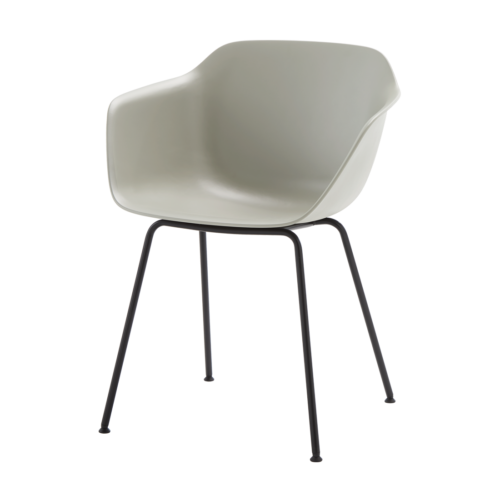
Fixed Armrest Office Chairs With Unspecified Standards

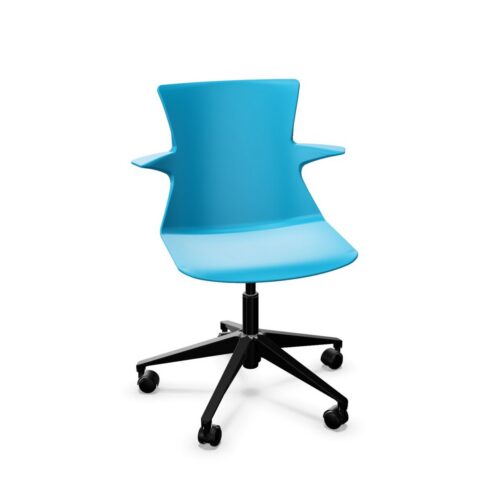
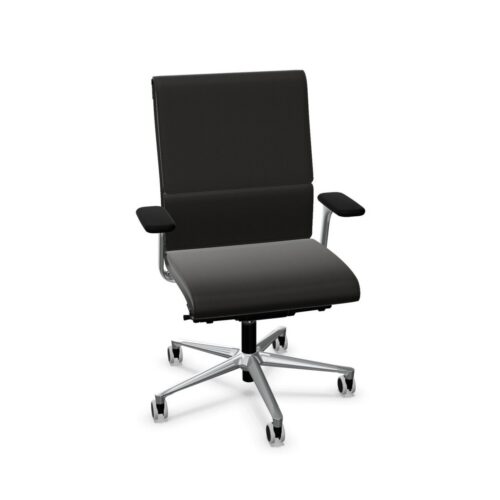
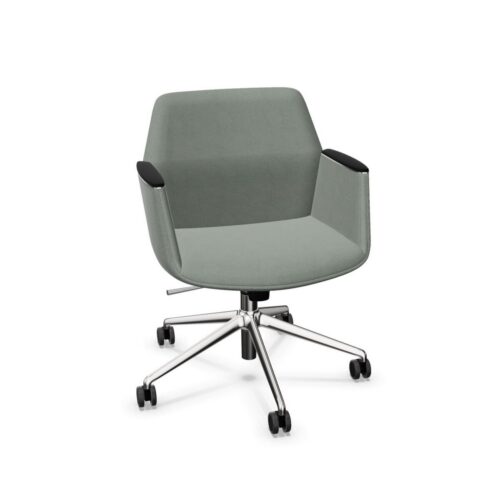
Fixed armrest office chairs with unspecified standards are best compared by beginning with the desk opening and the user’s working position. The armrests have a fixed position, while the relevant standards information remains unresolved. These characteristics lead to different checks: direct assessment of the chair’s geometry and a separate request for supporting evidence. An office manager needs both before drawing a complete picture of where the seating may suit the workplace and its intended users.

Start with the space beneath the desk, then observe how someone approaches their equipment while seated. An armrest that clears the furniture is only part of the assessment; it should also be considered in relation to the person’s forearms, shoulders and usual tasks. Compare office chairs at meaningful working positions rather than convenient demonstration settings. Record any changes made to the workstation and keep the standards question open until information is available to resolve it.

6 models
From €6.87 p/m
3 models
From €8.88 p/m
2 models
From €19.56 p/m
3 models
From €23.12 p/m
2 models
From €35.28 p/m
4 models
From €28.11 p/m
6 models
From €23.37 p/m
5 models
From €17.49 p/m
6 models
From €10.09 p/m
10 models
From €10.37 p/m
3 models
From €7.48 p/m
2 models
From €23.78 p/m
3 models
From €1.78 p/m
7 models
From €13.90 p/m
2 models
From €20.66 p/m
4 models
From €11.91 p/m
2 models
From €45.80 p/m
3 models
From €22.88 p/m
18 models
From €15.83 p/m
17 models
From €4.61 p/m

Measure From The Working Position

With fixed armrest office chairs with unspecified standards, measurements are most useful when tied to actual use. Establish the user's seated position first, then compare armrest height and spacing with the desk opening. Include the underside structure, because an obstruction may matter even when the desktop itself appears clear.

Check the route towards and away from the working surface. Ask the participant to approach the keyboard, turn towards frequently used items and leave the seat. Note where contact occurs and which movement causes it. These observations explain the practical significance of the dimensions you have recorded.

Distinguish Clearance From Arm Support

Passing beneath a desk does not show that fixed armrests suit the person using them. Observe whether the user rests the forearms naturally and keeps the shoulders relaxed during representative tasks. Ask what happens when work changes from typing to writing or another activity that alters the position of the arms.

Record any attempt to compensate for the armrest position by leaning, reaching or changing the seat position. A change may solve one problem while affecting another part of the arrangement. Assess the resulting posture and task access together, rather than judging success only by the disappearance of desk contact.

Ask A Precise Standards Question

Fixed armrest office chairs with unspecified standards have an information gap to resolve. Ask which standard, if any, is supported by the available documentation and which configuration that documentation covers. Do not interpret an unspecified position as a statement that standardisation is absent, or as an implied compliance claim.

Keep the request relevant to the workplace requirements. Record the information received and the questions it answers, along with anything still unresolved. A successful desk trial supplies evidence about that trial's users and conditions; it does not establish a standards position that has not been documented for the chair.

Test The Fit Across Intended Users

For shared workstations, involve people with different proportions and working habits. Use a comparable task sequence and ask each person to establish a suitable working position before commenting. Fixed arms may interact differently with the same desk as the seat position or the user's reach changes during the assessment.

Review fixed armrest office chairs with unspecified standards by combining these individual findings with measurements and supporting evidence. Describe suitable settings and any limitations observed. This produces an allocation decision that can be revisited if the workstation changes, instead of a general approval detached from the circumstances of the original trial.

Questions About Fixed Arms And Evidence

Which desk dimension should be checked first?

Begin with the usable opening beneath the working surface, including drawers and structural elements. Then compare it with the armrest position at the user's required seated position. No single measurement replaces a practical approach test, because access depends on how the chair and person move together.

Can fixed armrests work for several different users?

They may, but assess the intended group directly. Ask each participant to perform the same representative tasks and record any differences in support or clearance. Avoid treating one person's satisfactory experience as sufficient evidence that the same fixed geometry will suit everyone sharing the workstation.

What should remain open while standards are unspecified?

Any conclusion about compliance should wait for relevant evidence. Continue recording practical fit without converting those observations into a standards claim. Keep the missing information clearly described so that a later document review can answer the outstanding question and inform the final workplace assessment.

Explore related selections