


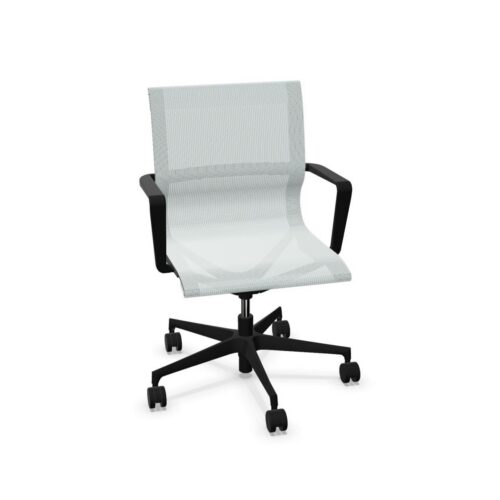
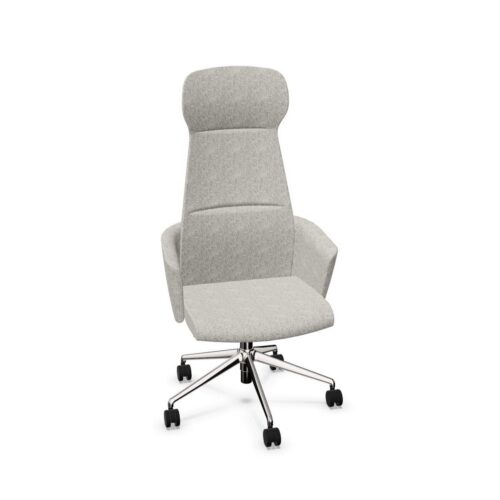
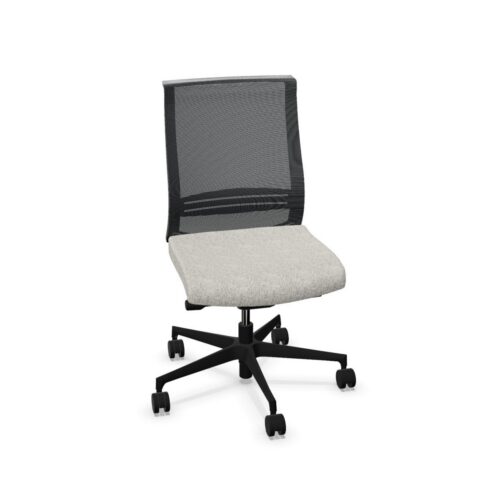
Black Base Office Chairs With Unspecified Standards

Black base office chairs with unspecified standards require a clear distinction between a known colour and an unanswered standards question. Black identifies the base colour; it does not describe the material or finish. Unspecified standards mean the relevant information has not been established here, rather than proving that a chair has no standardisation. For an office manager, the sensible next step is to clarify the evidence needed for the intended workplace while assessing the chair’s confirmed features and practical fit.

This distinction matters when seating decisions involve several people. One colleague may focus on the interior, another on daily use and another on supporting documentation. Give each part of the assessment a defined place so that none is assumed to cover the others. Office chairs with a black base can be considered within the room scheme while the standards question remains open. Record that uncertainty explicitly and resolve relevant requirements before making a final allocation to a workstation or employee.

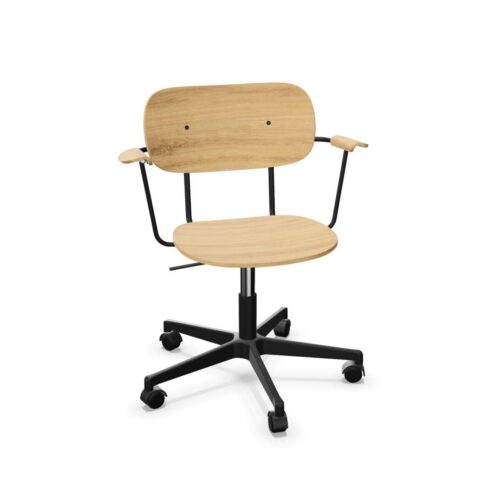
6 models
From €6.87 p/m
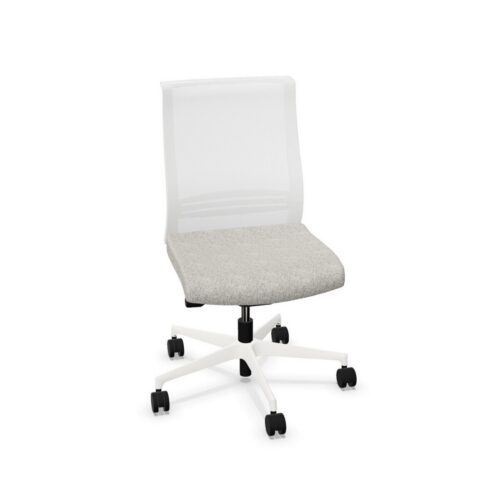
2 models
From €10.32 p/m
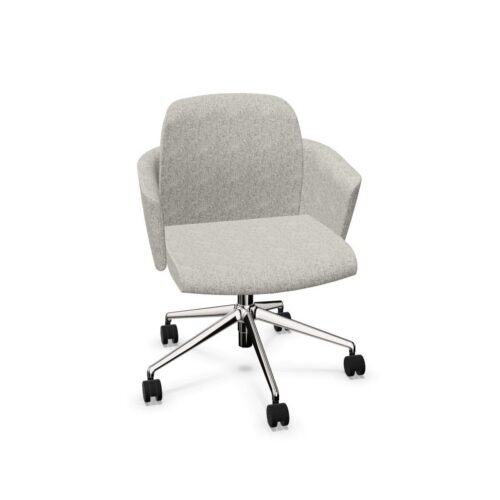
3 models
From €10.49 p/m
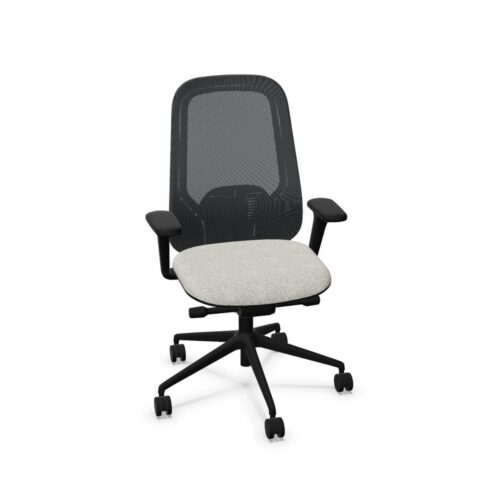
2 models
From €6.87 p/m
4 models
From €7.26 p/m
3 models
From €8.88 p/m
2 models
From €19.56 p/m
3 models
From €10.17 p/m
2 models
From €6.13 p/m
2 models
From €9.18 p/m
2 models
From €13.64 p/m
€27.92 p/m
2 models
From €15.27 p/m
10 models
From €10.37 p/m
10 models
From €25.85 p/m
9 models
From €10.37 p/m

Distinguish Missing Information From Confirmed Absence

Begin the assessment by writing down exactly what remains unknown. An unspecified standard is an information gap, and it should stay separate from any conclusion about whether standardisation exists. Black base office chairs with unspecified standards therefore need targeted clarification rather than a broad assumption. Ask for information concerning the particular chair and establish whether it answers the workplace's requirements. Retain the response with the assessment. This avoids a common handover problem in which an early uncertainty becomes repeated as a confirmed fact after the seating review passes between colleagues or different teams within the organisation.

Set Requirements for the Intended Workstation

Define the desk situation before comparing individual seating options. Consider the working surface, available space and tasks the user expects to perform. Then establish which chair features are confirmed and which require further information. A practical assessment of office chairs should follow those real conditions, with observations recorded in specific terms. Ask the user to describe any difficulty rather than simply awarding an overall score. If seating will move between different desks, include those settings in the review where relevant. A consistent black base colour cannot establish that every workstation arrangement presents the same practical requirements.

Check How the Black Base Coordinates

Review the base beside the surfaces it will actually accompany. Black desk frames, floor finishes and nearby storage can provide useful visual references, but identical colour names do not guarantee identical appearances. Examine the relationship from normal positions around the room, including underneath the desk. Black base office chairs with unspecified standards should retain separate records for appearance and standards clarification. This keeps a positive visual assessment from closing an unrelated evidence question. It also prevents the need for more documentation from obscuring a straightforward observation about how the seating works within the intended office colour scheme.

Make the Allocation Decision Traceable

Bring the evidence together only after the separate checks have been recorded. Explain which requirements are satisfied, what was observed during the workstation assessment and whether any relevant questions remain open. If the intended user changes, return to the practical findings rather than assuming the earlier decision covers everyone. For office chairs, a useful allocation record connects the chair to a particular situation and the information available at that time. Keep standards correspondence alongside the confirmed feature details so that a later review can distinguish an updated requirement from evidence that was previously missing or had not been requested.

Questions About Unspecified Standards and Black Bases

Do unspecified standards mean no standardisation?

No. Unspecified means the standards information has not been established here. It should not be rewritten as a confirmed absence. Ask for the relevant details for the individual chair and check whether the response addresses the evidence requirements of the intended workplace seating assessment.

Can visual assessment proceed before standards are clarified?

Yes. You can assess black base office chairs with unspecified standards against the interior brief while keeping the documentation question open. Record the two findings separately, and make sure any evidence required for the intended use is resolved before the final seating decision is made.

Does the black base establish maintenance needs?

No. Colour does not identify the base material, surface treatment or suitable care method. Obtain the instructions for the actual chair and consider them alongside workplace maintenance routines. Keep those confirmed requirements separate from assumptions based on other black furniture in the office.

Explore related selections