

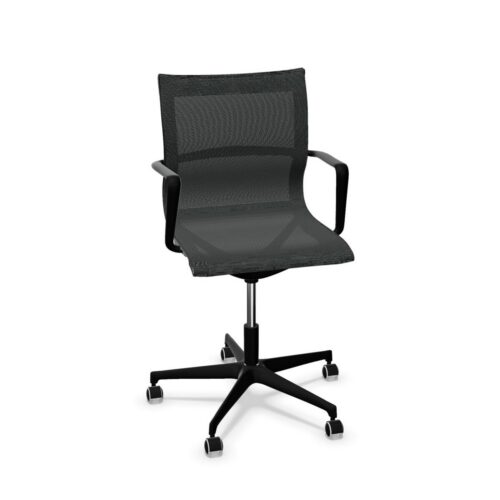
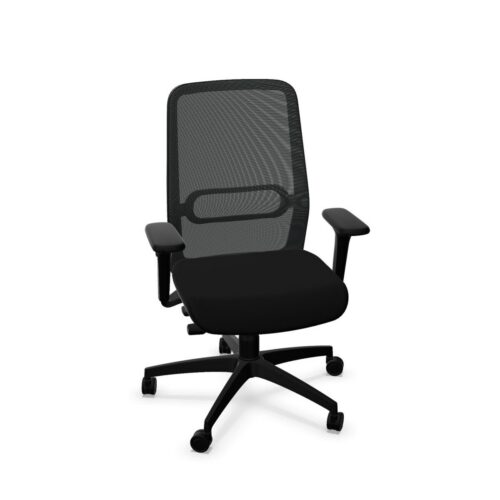
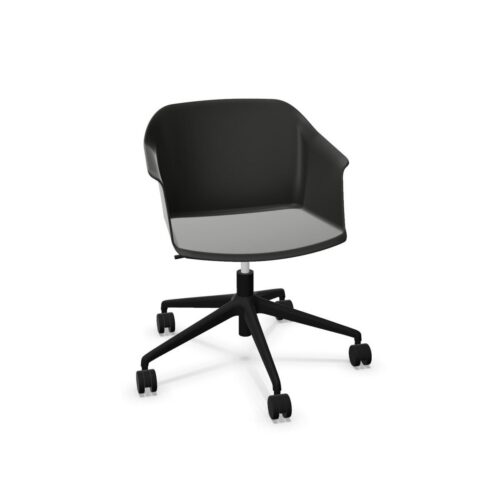
Grey Plastic Base Office Chairs

Grey plastic base office chairs give an office manager a defined starting point when coordinating seating across rooms that already contain different finishes. The base material is plastic and the base colour is grey. Neither attribute decides how the complete chair fits a person, but both belong in a clear room specification. The challenge is to keep those shared details consistent while recognising that each workspace may have different practical requirements.

Begin by grouping rooms according to their desk layouts and existing surfaces. Compare a sample beside the flooring and furniture in each group, rather than assuming one room represents the whole workplace. Grey can be accepted as a colour relationship without being an exact match to every nearby surface. Once that visual decision is recorded, assess the office chairs for the people using each setting. Separate checks for dimensions, adjustments and movement space help preserve useful differences between workstations within a coordinated overall plan.

3 models
From €10.17 p/m
2 models
From €6.13 p/m
2 models
From €9.18 p/m
5 models
From €13.67 p/m
19 models
From €2.38 p/m
6 models
From €23.37 p/m
24 models
From €4.49 p/m
13 models
From €1.93 p/m
28 models
From €2.34 p/m
4 models
From €4.10 p/m
11 models
From €3.40 p/m
3 models
From €3.98 p/m
10 models
From €5.35 p/m
12 models
From €6.44 p/m
6 models
From €8.63 p/m
4 models
From €5.25 p/m
2 models
From €19.64 p/m
7 models
From €2.97 p/m

Use Grey Bases as a Defined Reference

Grey plastic base office chairs should be represented by an agreed sample rather than a colour name alone. Compare that sample with the principal floor and desk finishes in each room. Note where the relationship is accepted and where it requires further discussion. If several grey surfaces are present, decide which one matters most to the seating scheme instead of expecting every surface to match. Inspect the base under the lighting normally used in the space. This produces a practical colour reference that colleagues can revisit without assuming that grey describes a single shade or a particular surface treatment.

Make a Comparison Record Across Rooms

A room comparison record can keep material consistency from obscuring differences in use. For each setting, list the desk arrangement, user group, floor surface and any nearby furniture that affects movement. Add the agreed base appearance separately from the chair's functional requirements. When comparing office chairs, this makes it easier to see which questions apply everywhere and which belong to one location. A compact workstation may need a different clearance assessment from an open desk area, even if both use the same base colour. Retain the room context so later changes can be reviewed against the original reasoning.

Check Plastic Against Actual Requirements

The description grey plastic base office chairs does not establish the chair's weight, load limit or tested performance. Request the evidence relevant to the intended setting, and distinguish information about the base from information about the complete chair. Confirm care instructions for the actual surface rather than assuming a cleaning method from the material name. Where floor contact components are fitted, review them against each floor type independently. These checks help an office manager avoid treating a consistent appearance as proof of consistent suitability. Every required property should have its own answer before the seating assessment is considered complete.

Allow User Fit to Shape the Decision

Trial grey plastic base office chairs with people whose working routines represent the intended rooms. Establish which adjustments are available and let each person assess the chair at a relevant desk. Ask about access to controls, contact with the backrest and room to approach or leave the surface. Record specific observations alongside the task being performed. Office chairs can share a base specification while differing in other respects, so review each complete option on its confirmed features. A coordinated room plan is more useful when it also records the requirements that matter to the people occupying those spaces daily.

Questions for a Grey Base Specification

Does grey mean the base is neutral?

Neutral is a design judgement rather than a confirmed property of this selection. Assess the grey base beside the actual room finishes and agree how much visual contrast is appropriate for the particular workplace being planned.

Can one trial represent several rooms?

Only where the relevant conditions are sufficiently similar. Compare desk layouts, floor surfaces and user tasks first. Use additional trials where those differences could affect movement, adjustment or the chair's relationship with its working surface.

What information should remain separate from colour?

Keep dimensions, adjustment details, care instructions and documented performance separate from the colour decision. Each answers a different workplace question, and none can be established solely by describing a base as grey and made from plastic.

Explore related selections