










Map the Rooms That Must Work Together
List the settings in which the chairs are expected to operate, grouping rooms only where their relevant finishes and workstation arrangements are comparable. Identify the main visual reference in each setting, such as desk supports or flooring. Decide whether the grey base must relate to every reference equally or whether one relationship should guide the assessment.
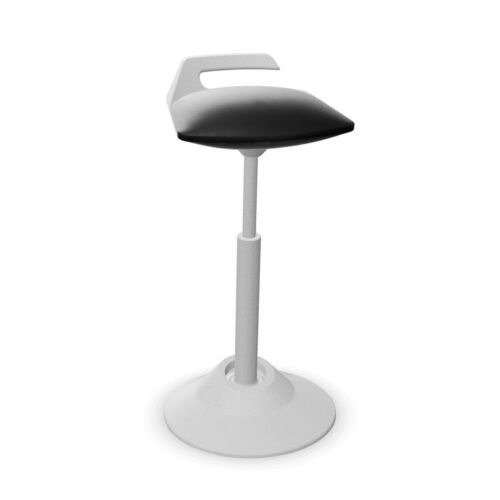
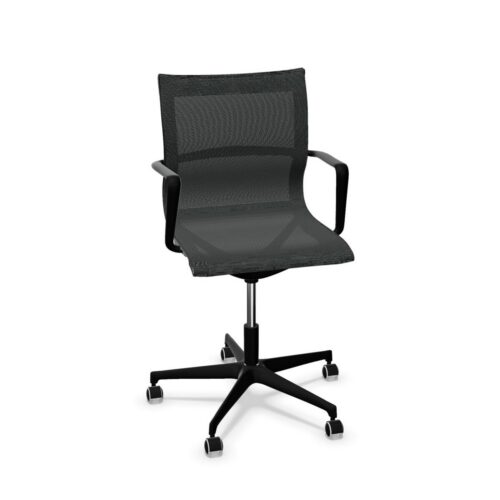
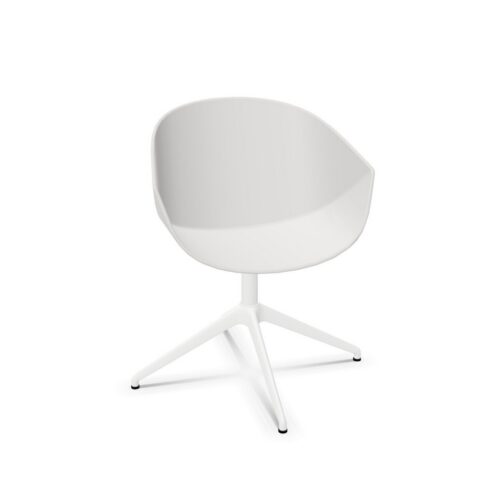
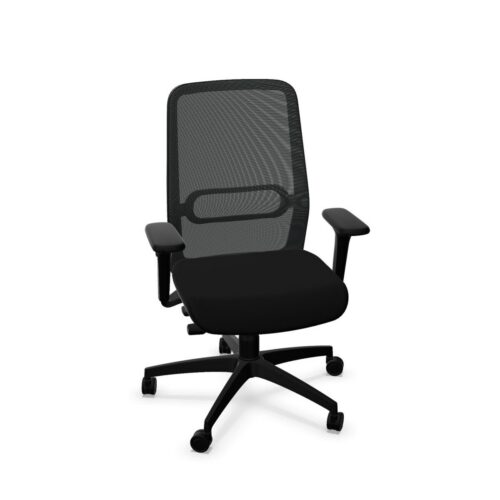
Position the chair in representative locations and view it from normal approaches to the desk. Include furniture and equipment that usually occupy the surrounding space. Note where the grey tone meets the brief and where a closer review is needed. This creates a usable record for an office manager responsible for several rooms with different visual requirements.
Describe Grey Beyond the Colour Name
Compare the actual tone, texture and sheen of the base with the surrounding surfaces. Do not treat grey as interchangeable with silver, or assume that grey parts share a common material. If a metallic appearance matters, state that requirement separately and verify it. The accepted reference should describe the appearance being approved rather than depend on a broad colour term.
Inspect the complete chair as well as the base in isolation. Decide how the lower structure should relate to the seat and back, especially in positions where the chair is visible away from the desk. Record acceptable differences clearly. This allows colleagues to recognise a suitable tonal relationship without expecting every grey surface in the office to match exactly.
