

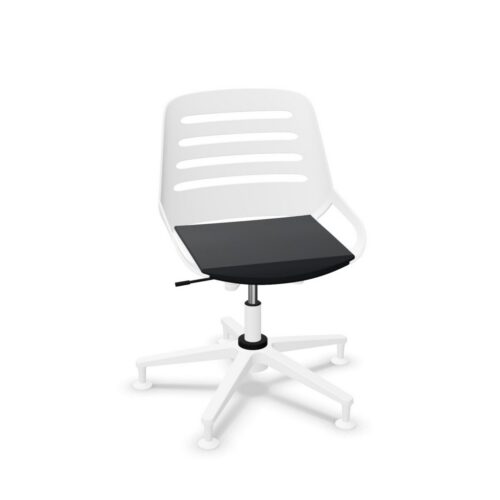
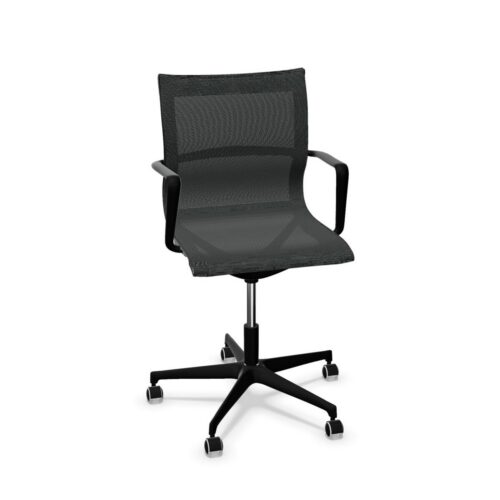
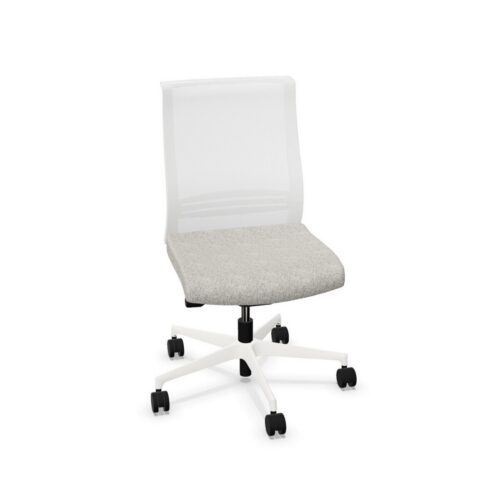
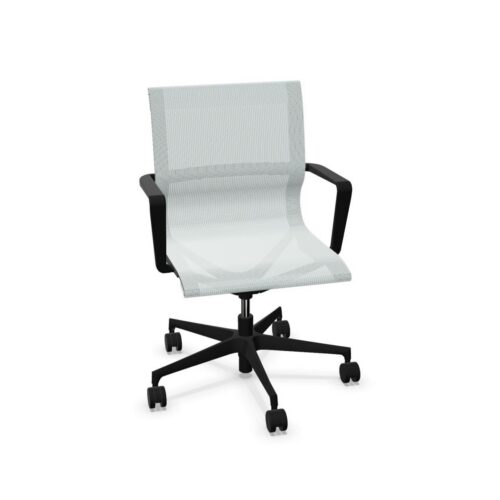
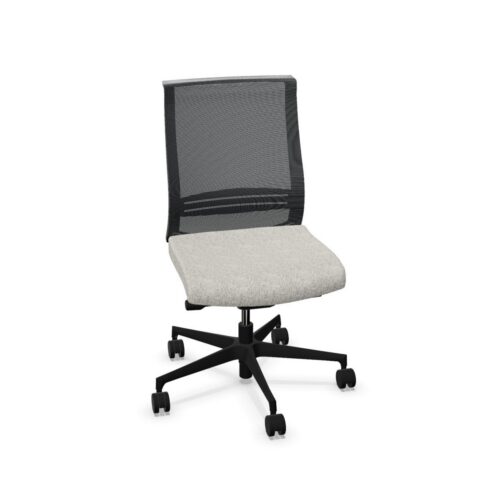
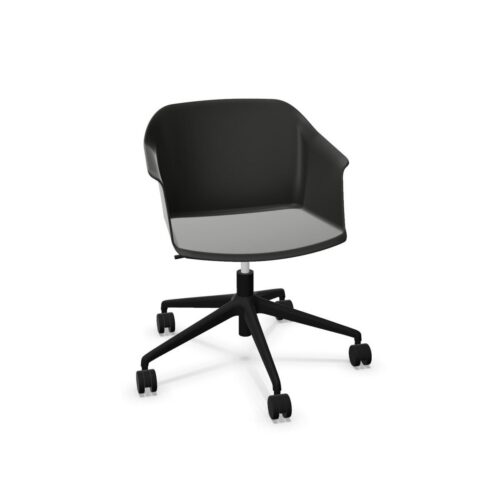
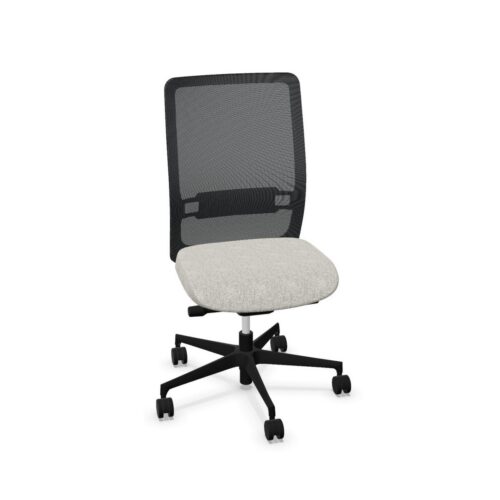
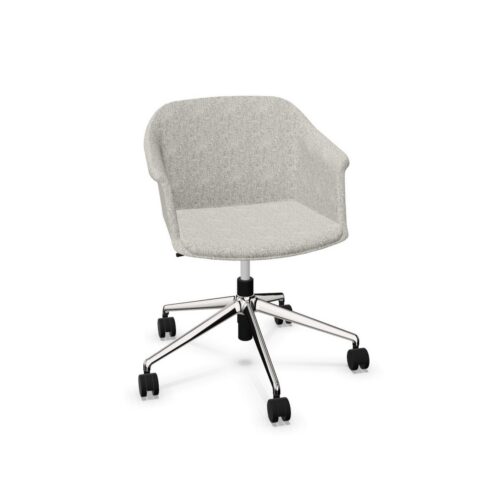
Black Plastic Base Office Chairs

A shared workstation needs a seating assessment that can accommodate more than one person’s routine. Black plastic base office chairs establish two consistent attributes across that assessment: a plastic base material and a black base colour. These details help define the intended appearance, but they do not explain how the seat adjusts or how it fits different users. Those questions should shape the practical comparison from the beginning of the review.

Map the tasks carried out at the desk, including screen work, paperwork and any regular movement away from the working surface. Then ask people who use the space to trial the office chairs in those situations. Check the black base against the actual floor and desk structure while those trials take place. This connects room coordination with daily use without treating colour or material as evidence of comfort, durability or suitability. Record what is confirmed and leave unverified performance details open for further information.

2 models
From €10.32 p/m
3 models
From €10.49 p/m
6 models
From €10.17 p/m
4 models
From €6.13 p/m
5 models
From €13.67 p/m
19 models
From €2.38 p/m
4 models
From €17.65 p/m
6 models
From €23.37 p/m
2 models
From €11.25 p/m
5 models
From €17.49 p/m
2 models
From €17.02 p/m
10 models
From €10.37 p/m
9 models
From €10.37 p/m
24 models
From €4.49 p/m
13 models
From €1.93 p/m
28 models
From €2.34 p/m
4 models
From €4.10 p/m

Start With the Shared Desk Routine

Review black plastic base office chairs through the sequence of actions people perform at a shared desk. A useful trial includes arriving, changing the seating position, working at the surface and leaving the workstation. Establish which controls are available before asking users to adjust the chair. Note whether each person can understand and reach them in the space provided. If a desk is used for different tasks, include those tasks in the trial rather than judging a single seated posture. The black plastic base remains a consistent specification while the assessment explores the requirements of different people and routines.

Inspect the Base Within the Workstation

Look beneath the desk as well as across the room. Check how the base occupies the available floor area and whether nearby furniture restricts approach or movement. Compare its black colour with desk legs, floor finishes and other visible fittings under normal working light. Do not assume that all black surfaces will appear identical. When assessing office chairs in several desk layouts, use a representative example of each layout. A clear space in one workstation does not establish clearance elsewhere, particularly where storage, screens or desk supports change the area available around the user's feet and seating position.

Ask What Plastic Actually Establishes

Black plastic base office chairs identify a material category without specifying every property of the base or complete chair. Confirm any required use limits, testing information and maintenance instructions through supporting documentation. Avoid assumptions about weight, resistance to marking or structural performance from the word plastic alone. Where castors are provided, assess their floor compatibility independently; their presence and specification are separate questions. This approach keeps the comparison focused on evidence. It also gives an office manager a clear way to explain why two visually similar options may still require different checks before being accepted for the same workplace.

Create a Repeatable Handover Process

For black plastic base office chairs at shared desks, a short handover record can make later reviews more consistent. Describe the confirmed adjustments, note any workstation restrictions and retain the approved base appearance reference. Include care guidance for the actual materials and surface, together with a route for reporting faults or uncertainty. Ask users to describe the task and desk position when giving feedback, so comments have useful context. Office chairs can then be reassessed against the same practical questions over time. The record should reflect observed use and confirmed specifications rather than assumptions attached to a black plastic base.

Shared Seating Questions

Does a black base hide everyday marks?

That cannot be established from colour alone. The surface, lighting and type of mark all need consideration. Inspect a sample and obtain care guidance instead of treating black as a guarantee about its appearance during use.

Are plastic bases suitable for every floor?

The base material does not answer floor compatibility. Check the parts that contact the floor, including any fitted castors or glides, and confirm their suitability for the actual surface and the intended use of the chair.

How should different users provide feedback?

Ask each person to describe their task, desk position and adjustment experience. Use the same questions across trials, then investigate differences. This produces more actionable information than collecting a general comfort score without any workplace context.

Explore related selections