

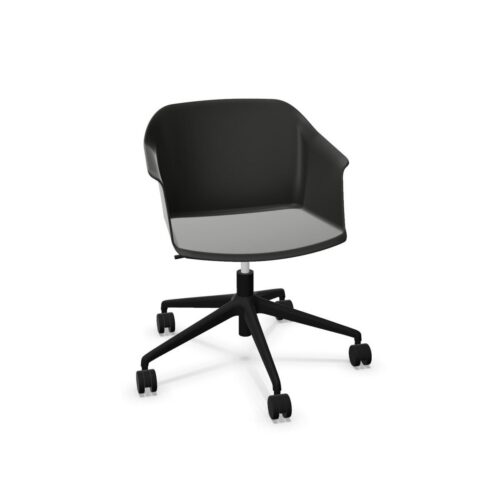
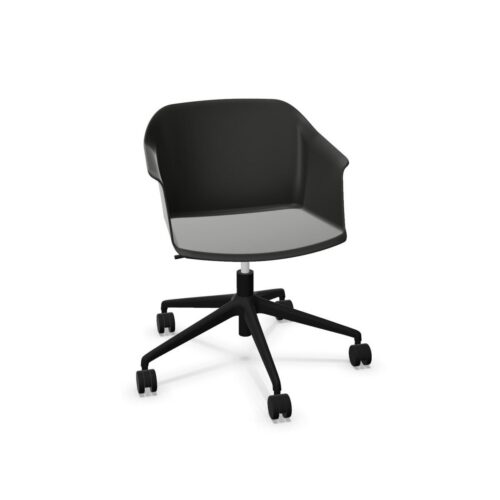
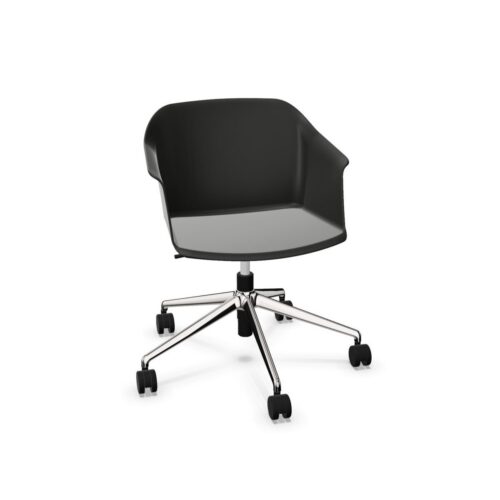
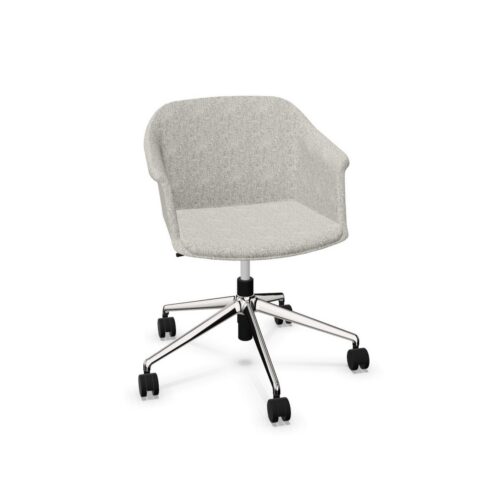
Pink Plastic Base Office Chairs

Pink plastic base office chairs make the base colour an explicit part of a workplace seating scheme. The combination identifies a pink base made from plastic; it does not specify the upholstery, overall silhouette or adjustment options. That distinction matters when a room concept begins with an accent colour. The seating still needs to be assessed as working equipment, with its appearance considered alongside the people, desks and activities it must accommodate each day.

Give the pink element a defined role before comparing office chairs. It might relate to an existing room palette or provide a repeated detail across work areas, depending on the intended design. Check the actual shade against nearby surfaces instead of expecting every pink to coordinate equally well. Then establish the practical requirements separately, including seated fit, access around the desk and any features users need to position themselves comfortably for their normal work throughout the working day.


Define What The Pink Base Contributes

Start with the visual purpose of the base rather than a general preference for colour. Decide where pink should be visible and which neighbouring finishes it must complement. Its effect beneath a desk may differ from its effect in an open circulation area, so inspect both situations during the room review.

Pink plastic base office chairs can help carry a chosen colour through a workspace, but the exact result depends on the finish and setting. Avoid assuming a particular level of brightness or a glossy surface. Request a clear view of the actual base and compare it under the lighting used in the office.

Build The User Brief Independently

Write down the tasks performed at each workstation before considering additional seating features. Screen work, paperwork and frequent changes of position can create different practical questions. Check how the person reaches equipment, uses the work surface and moves away from the desk. Confirm relevant chair dimensions through reliable measurements and physical assessment.

When comparing office chairs, keep preferred appearance separate from essential fit. Neither a pink base nor a plastic material description confirms adjustable height, arm support or a particular backrest design. Examine any such features individually and ask users to demonstrate how they establish their normal working position during an ordinary task sequence.

Use A Room Trial To Resolve Conflicts

Position pink plastic base office chairs in representative locations rather than assessing them only in isolation. Look at the relationship between the base, floor and desk frame. Then observe how seating positions change through use. A colour that appears restrained beneath a desk may become more prominent when the chair is moved.

The same trial should reveal practical constraints around desk legs, nearby storage and circulation routes. Check the space required for entry and exit as well as the seated position. If movement components are fitted, assess them on the intended floor. Keep visual observations and functional findings together so neither disappears from the final comparison.

Preserve Clarity Across The Seating Scheme

A written reference helps prevent the original colour intention from becoming vague. Record the pink finish that has been assessed and the plastic base material, together with any confirmed dimensions and operating features. Note the furniture and flooring combinations used in the review, including areas where the visual relationship remains unresolved.

Pink plastic base office chairs also need a practical care plan based on their actual instructions. Ask how the base should be cleaned and inspected, and share confirmed guidance with the relevant workplace team. Appearance remains easier to manage when the approved finish, handling information and user requirements are documented in the same seating brief.

Questions On Pink Base Seating

Is the whole chair pink?

The specified pink colour applies to the base. It does not establish the colour or material of the seat, backrest or any other component. Assess those elements separately during comparison.

Does plastic mean the chair is lightweight?

The base material alone does not establish the weight of the complete chair. Confirm the actual specification if handling or moving the seating is an important requirement for the office team.

How should staff assess the colour?

View office chairs in their intended positions under normal room lighting. Compare the base with flooring and desk frames, then consider its visibility when seating is moved away from the workstation.

Explore related selections