

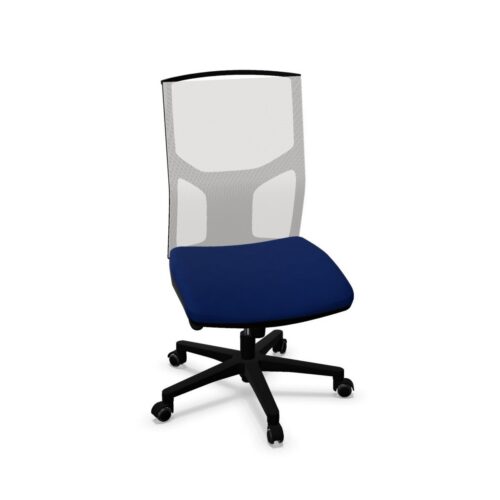
Fixed-Depth Office Chairs With Red Bases

These office chairs have red bases and no seat depth adjustment, bringing a defined color accent together with a seating dimension that must suit the user as supplied. The red applies only to the base. It gives no information about the upholstery color or other visible parts, and the absence of depth adjustment does not establish which other functions are available.

Pay particular attention to the relationship between the seat edge and the backs of your knees when sitting against the backrest. A depth that feels unsuitable cannot be corrected through a dedicated seat depth setting. Once the fit is established, assess how the red base sits within the room’s color scheme and the space beneath the desk. Compare these office chairs in the context of actual tasks, especially where the desk layout encourages reaching forward or leaves little room to reposition.

5 models
From €13.67 p/m
2 models
From €35.28 p/m
4 models
From €28.11 p/m
€11.40 p/m
6 models
From €23.37 p/m
3 models
From €9.20 p/m
19 models
From €2.38 p/m
3 models
From €9.96 p/m
2 models
From €26.32 p/m
2 models
From €41.00 p/m
Price on request
24 models
From €4.49 p/m
13 models
From €1.93 p/m
28 models
From €2.34 p/m
4 models
From €4.10 p/m
11 models
From €3.40 p/m
3 models
From €3.98 p/m
10 models
From €5.35 p/m
12 models
From €6.44 p/m
6 models
From €8.63 p/m
24 models
From €6.31 p/m
4 models
From €6.48 p/m
4 models
From €5.25 p/m
2 models
From €10.96 p/m
5 models
From €6.10 p/m

Let the Existing Seat Proportions Guide Selection

A seated trial is especially valuable when comparing red-base office chairs with fixed seat depth. Settle against the backrest with your feet supported, then consider how the seat supports your thighs. Look for room behind the knees without having to perch toward the front. A fixed depth might suit the intended occupant well, but that suitability has to be established rather than inferred from the chair's appearance. Repeat the check while performing normal desk tasks. If the seat works only when you abandon the backrest or adopt an awkward position, reconsider the fit before using the red base as the deciding detail.

Judge the Red From Everyday Viewpoints

Assess the base from the places where it will usually be seen: entering the room, walking between desks and sitting at neighboring workstations. Red may become a repeated accent across the floor area when several office chairs are grouped together. Whether that repetition suits the room depends on the existing palette and how visible the bases remain beneath the desks. Compare the shade with nearby red objects if coordination matters. Do not assume that the seat or backrest follows the same color scheme. Those surfaces need their own review, particularly when the upper chair is more visible than the base from the doorway.

Include Normal Movement in the Workstation Trial

Checking seat depth while sitting still is useful, but it should not be the whole assessment. Try approaching the work surface, changing sitting position and reaching the objects you use most often. Office chairs with a fixed depth need to support those ordinary tasks without relying on a depth setting that is absent. Review the space around desk supports and under-desk storage, since restricted room can affect where the chair sits. Confirm any other required adjustments individually. The two selected properties do not establish seat height adjustment, backrest movement or any particular control arrangement, so a complete workstation check should cover those needs separately.

Distinguish a Color Change From a Fit Change

If the seat proportions are unsuitable, switching to another base color alone does not address the problem. Comparing red bases with fixed seat depth against an adjustable-depth alternative introduces a functional difference worth testing. Conversely, if the seat already suits the user, another base color changes the room's appearance without necessarily improving fit. Keep that distinction clear when documenting requirements for office chairs. For shared work areas, ask representative users to assess the same seat rather than assuming one successful trial applies to everyone. A coordinated red detail can be maintained as a preference while the required seat fit is evaluated for each intended occupant.

Questions Before Specifying a Red Fixed-Depth Chair

Is a fixed seat depth automatically unsuitable?

No. The supplied depth may suit the intended user. These office chairs need an individual fit check because depth cannot be adjusted. Assess backrest contact, thigh support and knee clearance together, then test the chair at the intended desk.

Can red describe just the lower part of the chair?

Yes. Here, red is the base color only. It does not describe the upholstery, backrest or other components. Check those colors separately, especially if your room plan depends on coordinating both the upper chair and the details beneath the desk.

What if several people need the same chair?

Test the supplied seat with the people who will use it. A red base with fixed seat depth offers no depth setting for individual changes. If users have different fit requirements, compare their results before deciding whether the same seating proportions work across the group.

Explore related selections