

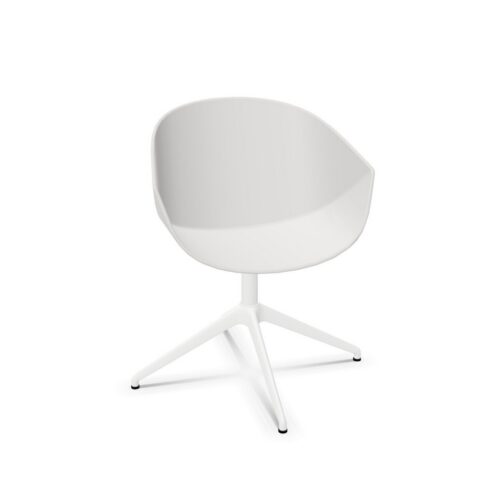
Red Bases In The Office Landscape

Walk through the proposed seating area before deciding how red chair bases should relate to it. Look beneath the desks, across circulation routes and towards nearby furniture supports. These views establish the setting for the colour decision. A base partly concealed by a desk presents a different composition from one visible beside an open work surface. Decide which views matter to the room, then use them consistently when assessing the actual red finish alongside its immediate surroundings.

The same review must account for the chair occupying that space. Red identifies the base colour, leaving its material, dimensions and seating features to be checked individually. An office manager should bring the visual assessment and workstation requirements into one comparison, with evidence for each. Consider how people approach the desk, position the chair and use its controls. This keeps the red base connected to a real working arrangement, rather than assessing it only as an isolated detail in a furniture image.

4 models
From €7.26 p/m
3 models
From €8.88 p/m
5 models
From €13.67 p/m
€11.40 p/m
2 models
From €41.00 p/m
24 models
From €4.49 p/m
13 models
From €1.93 p/m
28 models
From €2.34 p/m
4 models
From €4.10 p/m

Read The Room From Several Positions

Choose a few representative viewpoints: the entrance, the desk approach and an adjacent workstation. At each position, assess the red base against the floor and surrounding furniture. Record where it is visible and what sits beside it. This gives the colour discussion a concrete setting and helps explain differences between reactions to the same chair.

Include occupied and unoccupied desk arrangements where practical. A chair pushed beneath a work surface may reveal different parts of its base from one positioned for use. Review both arrangements before deciding how the red should contribute to the room. Use the actual proposed chair combination for this assessment.

Examine The Space The Base Must Occupy

After establishing the visual setting, measure the area available around the workstation. Request the chair's base dimensions and compare them with desk supports, storage and adjacent furniture. Examine the positions people need during their work. Any conclusion about clearance should follow from those measurements and a practical check of the particular chair where possible.

Confirm how the chair meets the intended floor surface, including the specified components at the points of contact. Red does not identify those components or establish their suitability. Where seating will be used in different areas, review each relevant surface and workstation arrangement before treating the chair as interchangeable between locations.

Resolve The Whole Chair Composition

Bring the seat, back and base into the same visual review. Establish their actual colours and materials before deciding how the red works within the room. A base colour leaves these other surfaces open, so colleagues need to see the complete combination under consideration. Compare it with the desk structure and floor together.

Assess shade, texture and surface sheen using an appropriate reference or the chair itself. Where lighting varies across the office, examine the proposed finish in those conditions. Keep the reference available during discussions so a general preference for red can be translated into agreement about the specific surface being assessed.

Connect The Finish Decision To Daily Work

Ask intended users to evaluate seating fit and any available adjustments at the relevant desk. Their observations should address the tasks performed there, including changes in working position and access to controls. Record these findings alongside the visual review so colleagues can see how the complete chair meets the agreed workplace requirements.

Obtain care instructions for the specified base surface and compare them with established cleaning methods. Retain those instructions with the finish reference and the confirmed chair details. If the surrounding furniture changes later, the record will show the original colour relationship and the practical conditions under which the chair was assessed.

Questions Before Agreeing On Red Bases

How much red will be visible beneath a desk?

That depends on the desk structure, chair position and viewing angle. Review the actual arrangement from normal workplace positions. Check the chair both at the desk and moved away from it before judging the visual contribution of its base.

Can red bases coordinate with different seat colours?

Assess each complete combination against the intended room. Confirm the seat and back finishes independently, then review them with the red base. An agreed reference for surrounding materials makes comparisons between combinations more consistent.

What should take priority during a workstation trial?

Check the chair against its intended users, tasks and available space. Assess seating fit, controls and clearance using the specific chair. Include the red finish in the room review while recording practical findings clearly enough for others to assess.

Explore related selections