

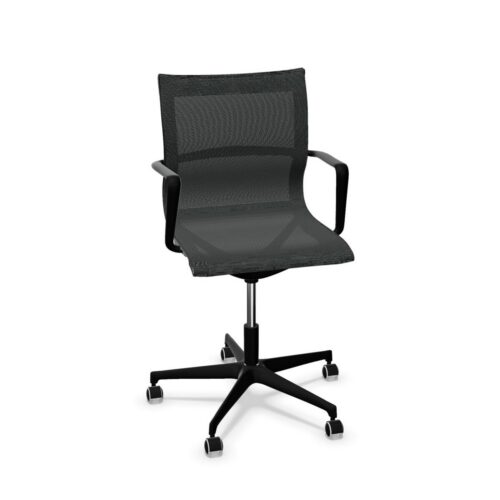
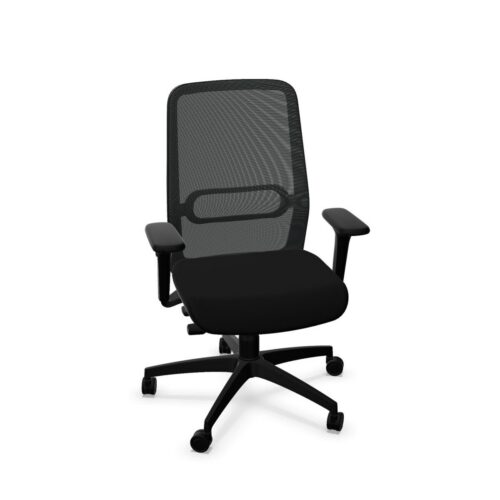
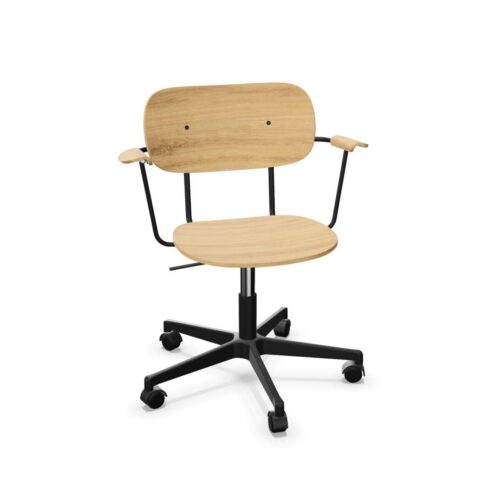
Silver-Base Office Chairs With Fixed Backrest Height

Silver-base office chairs with fixed backrest height pair a silver-colored base with a backrest that cannot be raised or lowered independently. The base color describes appearance alone, without identifying the material or surface finish. For the backrest, the practical question is whether its existing vertical position works with your seated proportions and normal desk posture.

Compare the silver base with nearby desk supports and flooring, particularly where other silver-colored surfaces are already present. Their shades and finishes may differ, so a shared color name does not establish a match. When assessing office chairs, give equal attention to seated contact: the backrest cannot be moved vertically to relocate its contours. These two properties leave other functions unspecified. Check any seat adjustments, reclining movement and separate support controls individually, then review how the complete chair fits the workstation and the people expected to use it.

6 models
From €6.87 p/m
2 models
From €19.56 p/m
3 models
From €10.17 p/m
2 models
From €6.13 p/m
2 models
From €9.18 p/m
5 models
From €13.67 p/m
3 models
From €23.12 p/m
3 models
From €9.20 p/m
19 models
From €2.38 p/m
2 models
From €35.28 p/m
€11.40 p/m
7 models
From €7.54 p/m
4 models
From €17.65 p/m
4 models
From €28.11 p/m
3 models
From €27.57 p/m
6 models
From €23.37 p/m
5 models
From €23.04 p/m
5 models
From €17.49 p/m
2 models
From €17.75 p/m
2 models
From €13.64 p/m
4 models
From €28.21 p/m

Compare Silver Surfaces Side by Side

A silver base can visually connect with desk frames, storage details or other room elements, but its actual appearance needs direct comparison. Position office chairs where they will be used and look at the base against the floor as well as beside neighboring furniture. The silver label does not tell you whether the surface is reflective, subdued or textured. Nor does it establish a particular metal. Confirm any finish or material requirements separately. Include the upper chair in the same assessment, since the selected base color leaves the seat and back colors open and does not define the chair's overall visual character.

Evaluate a Backrest That Cannot Move Vertically

For a silver base paired with fixed backrest height, the available backrest position is the one you need to assess during a trial. Sit at the intended desk and notice where contact occurs while carrying out familiar tasks. Compare office chairs by their relationship to your seated posture, rather than by the apparent height of the back alone. The chosen properties do not define backrest shape, so this combination can still encompass different sitting experiences. If the contact position needs to move upward or downward, an alternative with confirmed back height adjustment provides a relevant comparison. Check its actual fit as well.

Allow for the Workstation's Physical Boundaries

The base color may coordinate with a desk without establishing that the chair fits comfortably beneath or around it. Before specifying office chairs, check the actual footprint against desk supports, nearby cabinets and the approach to the seat. The fixed backrest height also deserves attention if the chair will move between workstations used by different people. A position that suits one user may not suit another, even when the furniture arrangement looks consistent. Test the intended users and settings where practical. Room appearance, physical clearance and seated backrest contact answer separate questions, and each needs enough information to support the final choice.

Identify the Functions That Remain Unspecified

No back height adjustment does not mean every other function is absent. For these office chairs, verify seat positioning, reclining behavior and any separate support controls directly from the complete specification. Record fixed backrest height explicitly so it is not confused with an adjustable version that looks similar. If you are comparing another silver-base chair, check the whole configuration rather than assuming that a matching base color implies matching features. If appearance is the main reason for choosing silver, assess its actual finish independently of fit. This keeps the selection tied to the needs of the room and the person using the workstation.

Understanding Silver Bases and Fixed Back Height

How do these differ from adjustable-back-height chairs?

These chairs do not allow independent vertical movement of the backrest. An adjustable-back-height alternative offers that specific positioning function. Other differences need separate checking, since neither the silver base nor the back height selection establishes the rest of the chair's features.

Can the whole chair still change height?

Seat height adjustment is not established by this combination. Fixed backrest height concerns the backrest's independent vertical position. Check the complete chair specification to find out which other adjustments are provided and how they affect the user's relationship to the desk.

What matters most for an assigned workstation?

With silver-base office chairs and fixed backrest height, assess the assigned user's backrest contact first, then the remaining confirmed functions and desk clearance. Compare the actual silver finish with neighboring surfaces once the chair's fit for the intended setting is understood.

Explore related selections