

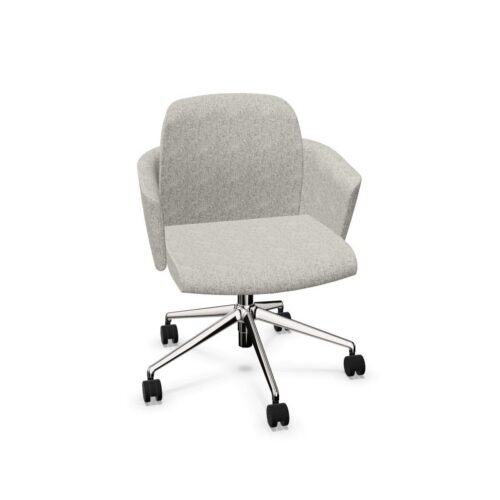
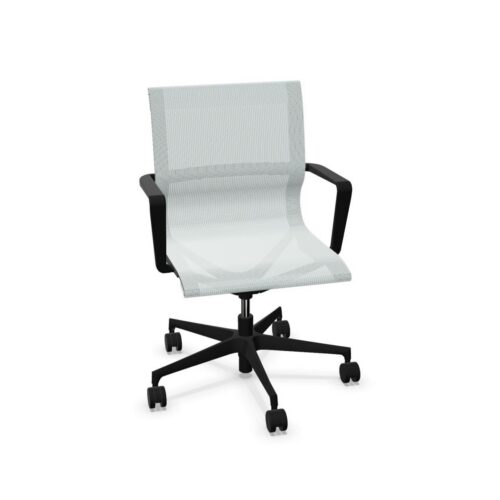
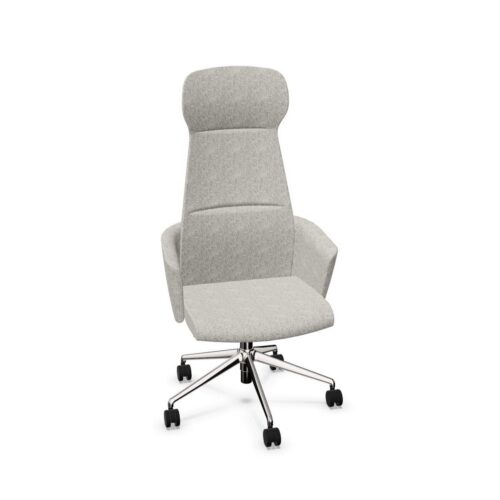
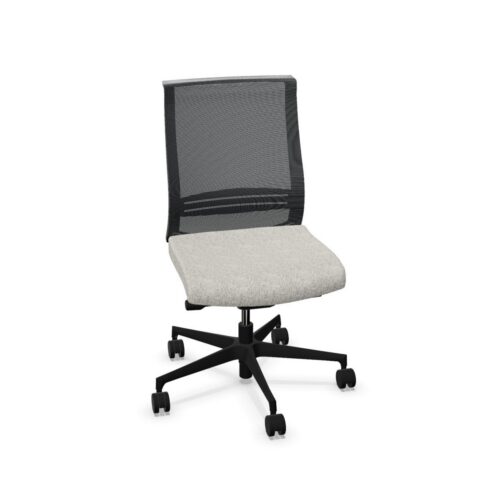
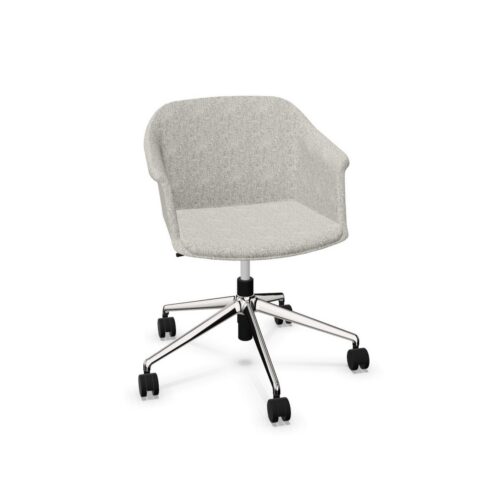
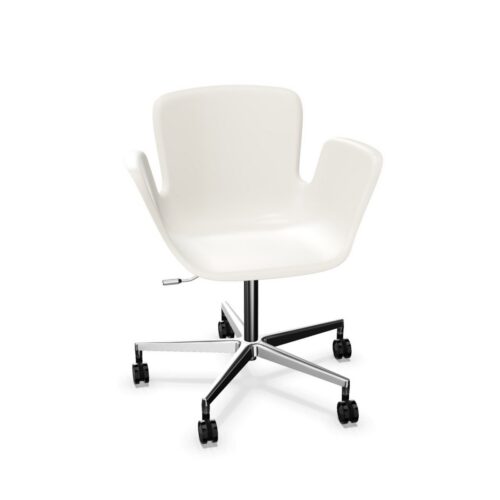
Silver Bases And Workplace Finishes

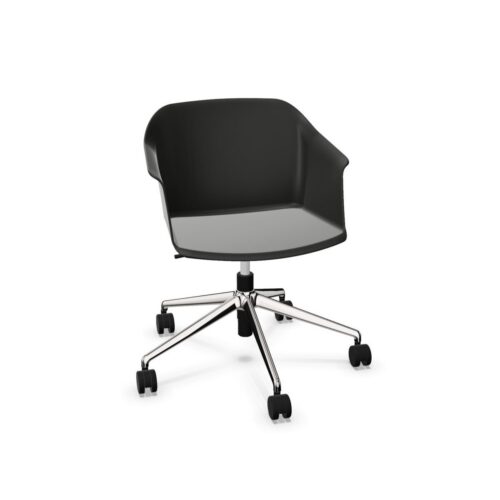
Silver is a colour description that needs careful handling in an office seating brief. It does not, by itself, identify the base material or establish how the surface is finished. Compare the actual silver appearance with nearby desk supports, storage details and flooring, then confirm the construction information separately. This gives an office manager a clearer basis for assessing chairs that share a colour description but may differ in other relevant ways.

The complete chair also needs review. Seat and back colours, materials and visible fittings should be checked alongside the base, while dimensions and adjustment options are assessed against the work involved. Establish which existing surfaces the silver should coordinate with and how closely they need to relate. Then use that visual reference throughout the comparison. A precise brief connects the intended appearance with verified practical details, allowing colleagues to assess the seating consistently within the actual workstation arrangement and surrounding office interior.

6 models
From €6.87 p/m
2 models
From €19.56 p/m
3 models
From €10.17 p/m
2 models
From €6.13 p/m
2 models
From €9.18 p/m
2 models
From €13.64 p/m
€27.92 p/m
10 models
From €10.37 p/m
10 models
From €25.85 p/m
9 models
From €10.37 p/m
2 models
From €41.00 p/m
3 models
From €7.48 p/m
2 models
From €23.78 p/m

Distinguish Appearance From Construction

Start by recording silver as the visual requirement, then request the actual base material and surface treatment separately. Do not use the colour name as evidence of either. This distinction matters whenever the brief includes material preferences, maintenance requirements or other construction considerations. Confirm each relevant characteristic for the chair under review rather than carrying assumptions between alternatives with similar appearances.

Apply the same precision to finish descriptions. Check the actual surface for the visual qualities that matter to the room, including its texture and degree of gloss. Use a suitable sample or the chair itself where practical. Record what was examined so that colleagues discussing silver bases are referring to the same finish and complete chair combination.

Compare Silver With Adjacent Furniture

Identify the nearby surfaces that should guide coordination. Desk supports, storage fittings and other furniture details may all be described as silver while still needing direct comparison. Decide which relationship is most relevant to the workstation. Assess the actual finishes together instead of relying on their names or viewing each item separately against an unrelated background.

Include the floor and the rest of the chair in the review. The seat and back have their own colours and materials, which should be confirmed independently. Look at the arrangement from normal seated and standing positions. Where the base is partly concealed beneath a desk, check the visible portions in context before judging the complete room relationship.

Verify Fit At The Intended Workstation

Define the users, work surfaces and tasks before comparing functional features. Review the chair's dimensions and adjustments against those requirements, and examine how its controls operate. A silver base does not establish support features or indicate how the chair can be set for an individual. Practical assessment should use the particular chair and workstation arrangement under consideration.

Check the base footprint and the clearance needed around furniture. Include ordinary movements into and away from the desk, along with nearby storage or structural supports. Confirm the specified floor contact components and their suitability for the intended surface. Where seating is shared, assess how readily users can change settings and place the chair appropriately for their own work.

Make Care Guidance Part Of The Record

Ask for cleaning and maintenance instructions tied to the actual base material and finish. Similar silver appearances do not establish identical care requirements. Compare the approved methods with the routines used by the workplace team, and resolve any questions before finalising the seating brief. Keep the guidance accessible to those responsible for maintaining the chairs in daily use.

Retain the finish reference, material description and complete chair details together. Add the surrounding surfaces used in the visual review and the functional findings from the workstation assessment. This creates a useful record for later room changes. It also keeps future discussions precise when another silver surface is introduced and colleagues need to decide how it relates to the seating.

Silver Base Office Seating FAQ

Does a silver base identify a particular metal?

No. Silver describes the colour, so the base material needs separate confirmation. Check the actual construction and surface finish for the chair being considered. Use that information when assessing material requirements and the care guidance relevant to the workplace.

Will silver bases match existing silver desk supports?

A shared colour description does not establish an exact match. Compare the actual surfaces together under workplace lighting, including their texture and gloss. Decide how closely they should relate and retain the reference used to approve the intended combination.

Which practical details should accompany the finish decision?

Record dimensions, adjustment options, workstation clearance and floor suitability alongside the visual reference. Include care instructions for the specified base surface. These details allow colleagues to assess the chair's practical role as well as its relationship with surrounding furniture.

Explore related selections