

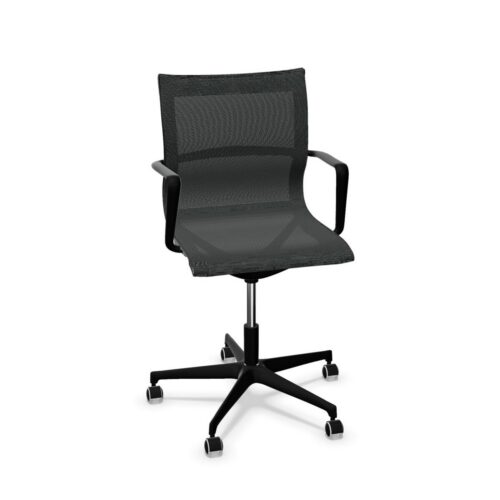
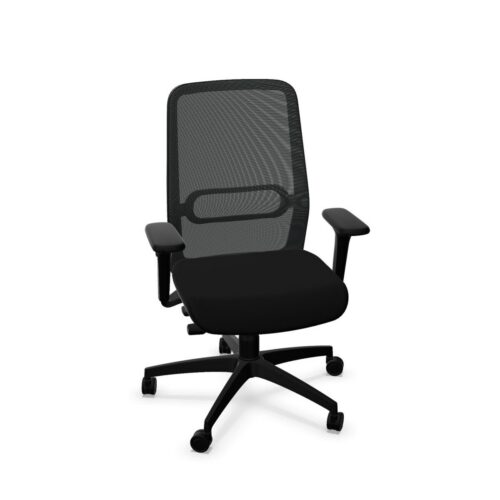
Silver Base Office Chairs Without Stated Standards

Silver base office chairs without stated standards require a careful distinction between colour, construction and evidence. Silver identifies the base colour, but does not establish aluminium, steel or any other material. It also does not specify a polished, brushed or matt surface. For an office manager, those distinctions matter when comparing seating with existing desk frames and deciding which characteristics need confirmation before a practical assessment can be completed.

Start with the proposed workstation and the people who will use it. Check seating dimensions, any adjustments and the available space independently of the silver appearance. No standard is stated, which leaves an evidence question rather than a confirmed performance result. A useful comparison brings together the intended visual relationship, verified characteristics and outstanding documentation. This gives colleagues a clear basis for reviewing office chairs while avoiding assumptions that a metallic colour necessarily describes the underlying material, the surface treatment or the chair’s suitability for everyday desk activities.

6 models
From €6.87 p/m
2 models
From €19.56 p/m
3 models
From €10.17 p/m
2 models
From €6.13 p/m
2 models
From €9.18 p/m
5 models
From €13.67 p/m
€11.40 p/m

Establish What the Silver Appearance Actually Means

Ask for the base material and finish as separate pieces of information. A silver colour alone cannot answer either question. If the seating needs to relate closely to existing furniture, compare the proposed base with the actual desk frames and nearby fittings, using a physical sample where this is possible.

Silver base office chairs without stated standards can be assessed visually without attributing unconfirmed technical properties to their appearance. Note the shade and surface character you can verify, then record material or finish details that still need clarification. This creates a more precise interior comparison than describing every silver surface as identical.

Judge the Seating at the Work Surface

Desk compatibility begins with the relationship between the user, seat and work surface. Check relevant dimensions and any adjustments, then observe the seating in a representative arrangement. Ask users to consider their normal activities rather than assessing the chair only while it stands apart from the furniture it must accompany.

If armrests, castors or movement controls are present, establish their characteristics and assess them in context. None is confirmed by a silver base. Check clearance around the desk and space for approaching or leaving the workstation, particularly where surrounding furniture constrains the position available for the chair during routine use.

Review Unstated Standards Without Filling the Gap

Silver base office chairs without stated standards need a direct question about relevant declarations and supporting documentation. Ask whether evidence applies to the exact configuration under assessment and how it relates to the intended use. A familiar appearance or a material description cannot establish compliance with a particular seating standard.

Keep the answer accurate if no standard is confirmed. It is reasonable to record that information remains unresolved; it is not reasonable to infer either successful testing or failure. When comparing office chairs, make clear which characteristics are established and which questions must still be answered against the organisation's own workplace brief.

Include Facilities Requirements in the Same Review

Once the material and finish are confirmed, ask for appropriate care instructions and compare them with existing facilities routines. Do not assume resistance to scratches, cleaning products or wear from the silver colour. Those characteristics need their own support if they form part of the seating requirements for the office.

A complete comparison of silver base office chairs without stated standards can connect interior coordination, user observations, verified specifications and documentation status. Keep the record short enough for colleagues to use, but specific enough to distinguish configurations. That helps an office manager review office chairs consistently while retaining the details relevant to each workstation and room.

FAQ: Silver Colour and Seating Specifications

Does silver mean an aluminium base?

No. Silver identifies a colour, while aluminium identifies a material. The base material has not been established here. Confirm it separately if weight, maintenance, construction or coordination with existing furniture forms part of the seating brief, and avoid drawing those conclusions from the colour description.

Can a silver finish be assumed to shine?

No particular level of sheen is established by the colour alone. A silver surface may need closer inspection to understand its actual appearance. Request relevant finish information and compare a sample in the intended room if reflection or visual matching matters to the office interior scheme.

What should a standards request identify?

Identify the exact seating configuration and its intended use, then ask which standards are declared and what documentation supports them. Check that any response applies to the chair being assessed. Keep unanswered questions visible alongside practical observations and confirmed specifications throughout the workplace seating review.

Explore related selections