











Audit Existing Furniture Before Comparing Silver
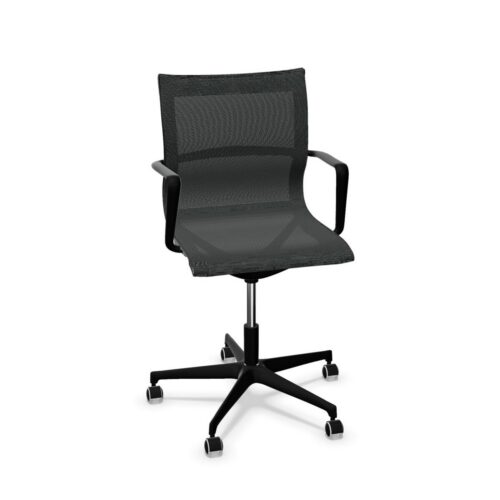
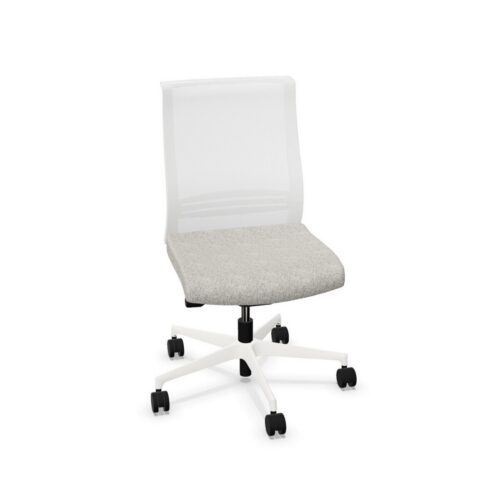
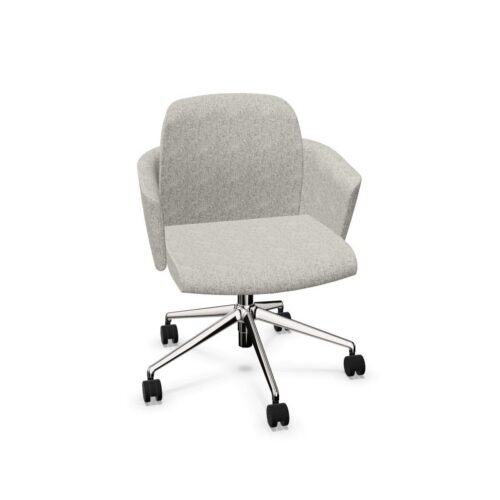
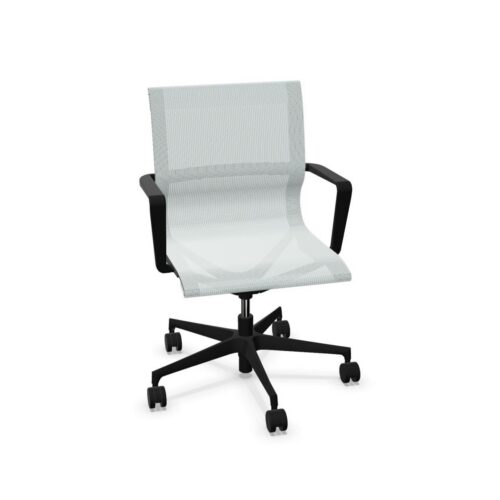
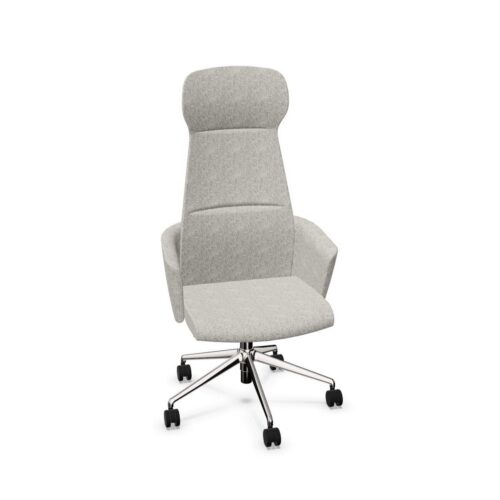
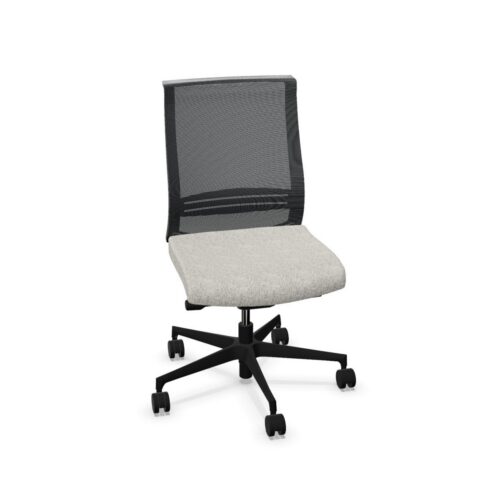
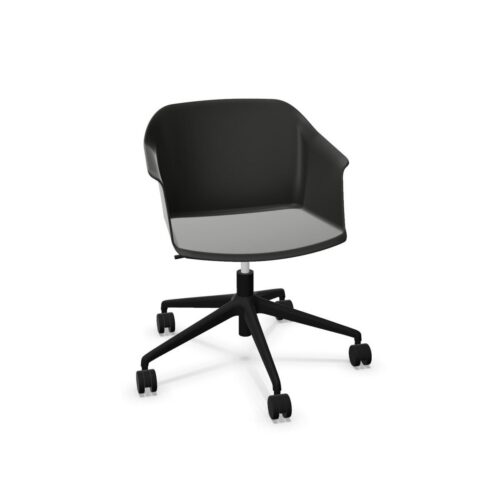
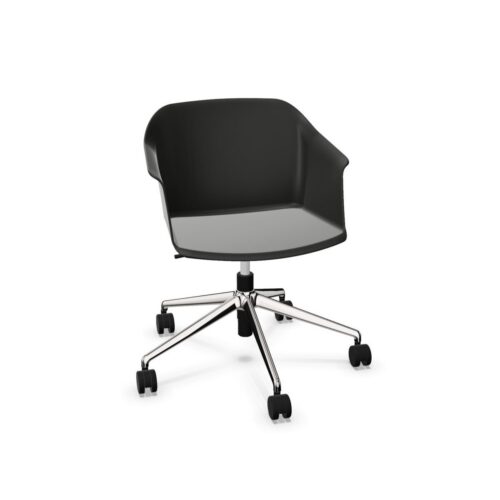
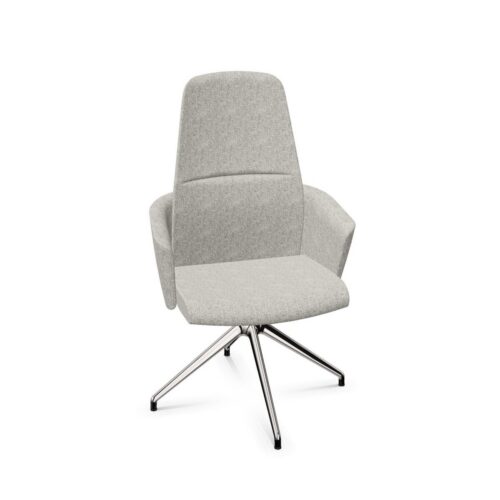
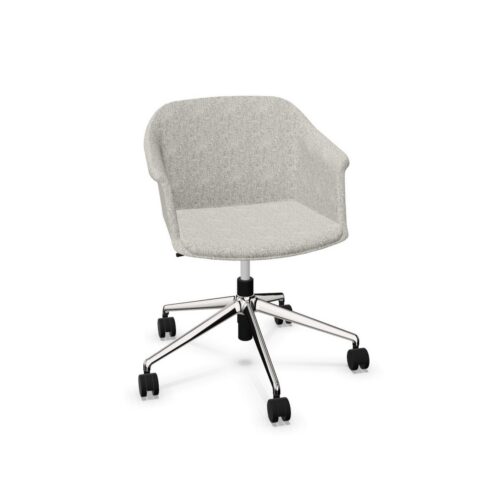
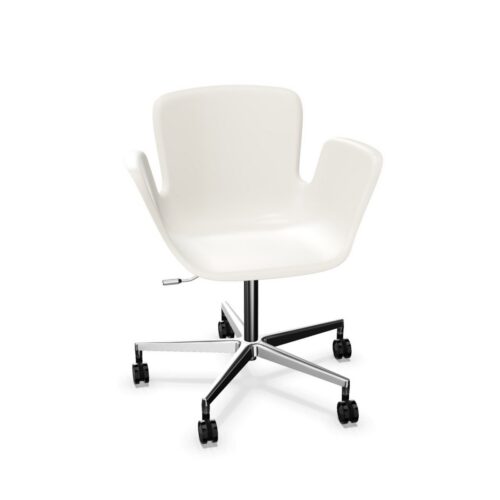
Walk through the workplace and note where silver already appears, such as on desk frames, storage handles or other furniture components. Assess silver base office chairs without headrests against those specific references rather than expecting every silver surface to match. Lighting and surrounding colours can influence the visual comparison, so inspect the seating in the intended room where possible. Record which relationships matter most: matching nearby desk legs may be more relevant than matching a distant cabinet. This creates a defined brief for appearance and avoids allowing a broad colour description to substitute for checking the actual furniture together carefully.
Build a Task-Based Seating Assessment
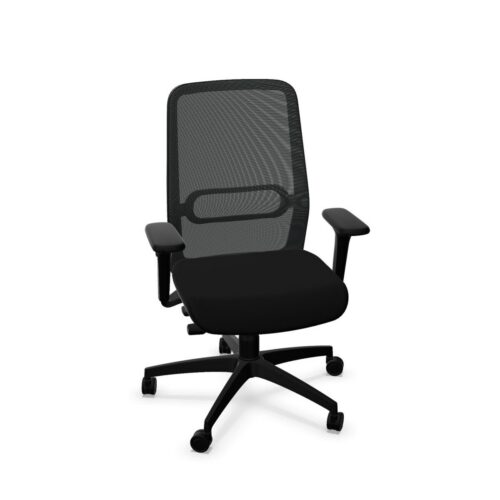
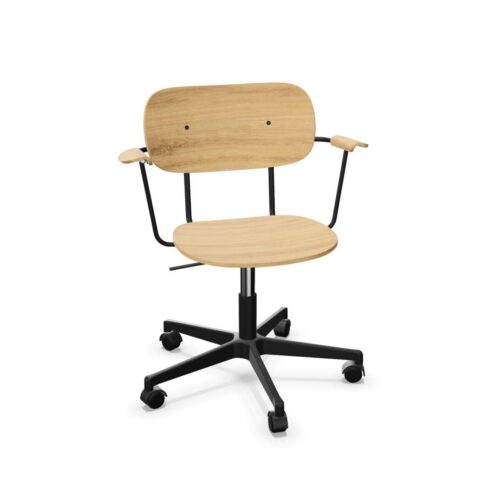
Next, establish a short set of activities that reflects the room's daily use. These might include concentrated screen work, reviewing paperwork and speaking with someone beside the desk. Use the same sequence when comparing office chairs, allowing each participant to describe backrest contact and access to the work surface. A chair without a headrest still needs its complete seating arrangement assessed. Confirm any adjustment controls before asking people to use them, and distinguish an unavailable setting from one that simply has not been demonstrated. Written observations are more useful than a single overall comfort score without context for the assessment.
