



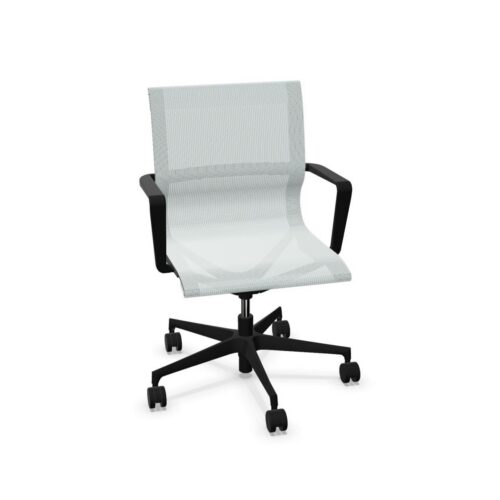
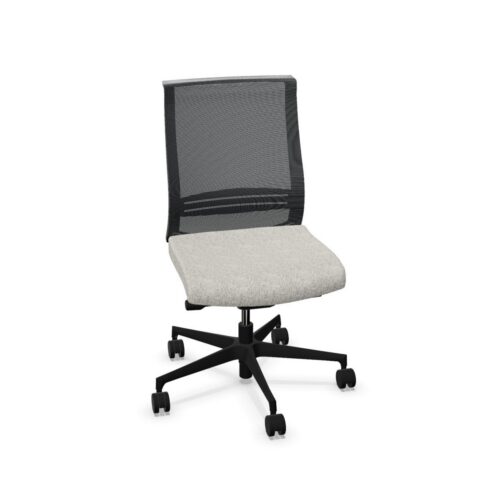
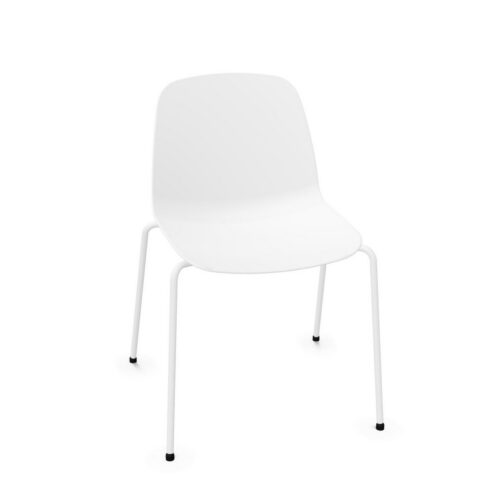
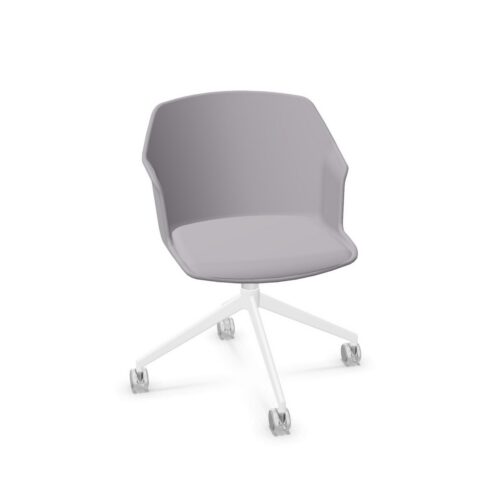




Compare White Surfaces in Place
Start beside the furniture that will remain in the room. Look at the white base against desk supports, storage fronts and the floor, then decide which relationships matter most. Check the actual surface character because white does not establish a particular shine or texture. Include the room's usual lighting in this review and avoid relying on an isolated image. The aim is to describe an acceptable visual relationship, not to assume that every white component will appear identical. Record the agreed reference so later room decisions have a clear starting point.
Clarify What Silver Contributes
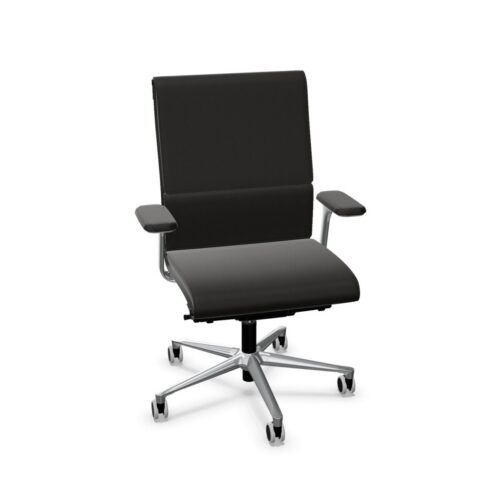
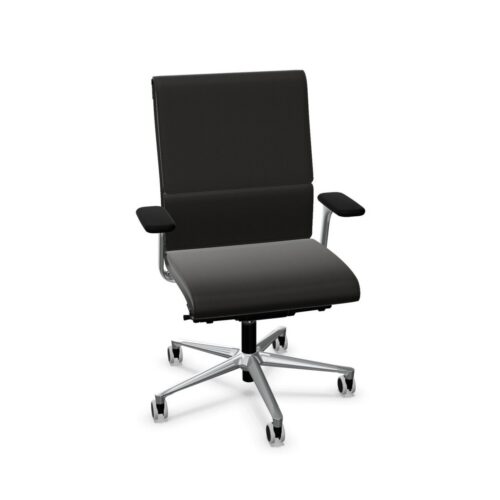
When assessing office chairs with silver and white bases, keep the material discussion distinct from the colour review. Silver is the base material term, and white describes the base colour. Clarify the exact composition and construction before establishing technical expectations. Neither term determines a load rating, surface treatment or maintenance method. If the facilities team needs to assess handling or cleaning requirements, it will need more precise information. Resolve those questions explicitly so that a visually coordinated room does not depend on assumptions about what lies beneath the white finish.
Give Cleaning Teams Practical Instructions
A white base does not establish how readily marks can be removed or which cleaning substances are suitable. Obtain care instructions for the actual finished surface and make them available to the staff responsible. Consider how the base can be reached beneath desks and how routine inspections will be recorded. For office chairs, include the floor contact components in that discussion because they need separate identification. Define a clear route for reporting damage rather than expecting cleaning staff to judge unfamiliar material or construction issues from appearance alone during everyday work.
