

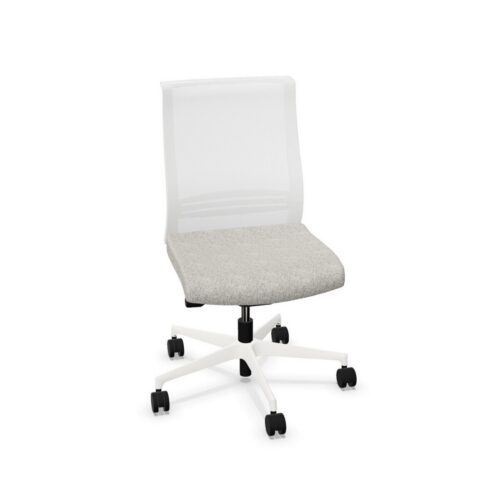
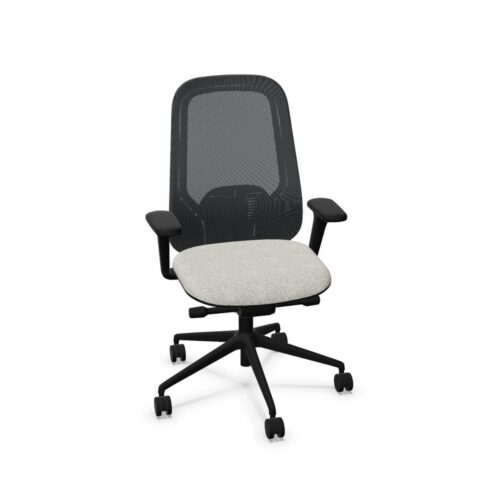
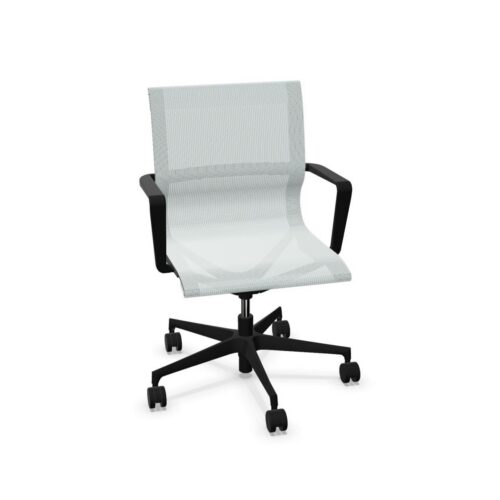
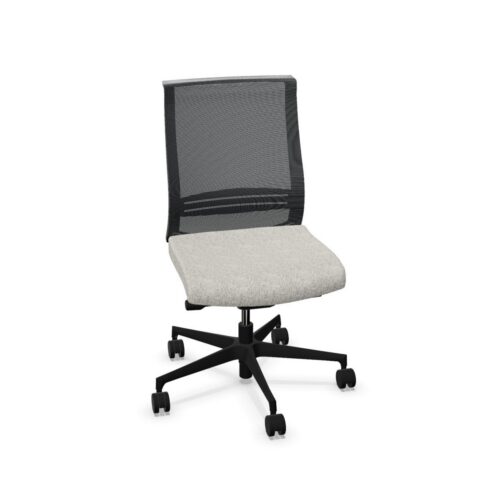
Office Seating With White Bases

A white chair base deserves attention at floor level, where furniture supports, equipment and everyday movement meet. Begin with the base in its proposed position beneath the desk. Examine the space around it, then pull the chair out as a user would. This connects the colour decision with the actual arrangement an office manager needs to assess.

Before agreeing a maintenance routine, establish the base material and how its white surface is formed. Colour alone does not identify a coating, texture or construction. Review the relevant instructions alongside access for cleaning, including any joints or recesses that are present. Keep observations about appearance separate from confirmed information about care.

The wider seating assessment should cover the relationship between the white base, surrounding furniture and the user’s workstation. Decide where visual consistency matters, confirm the dimensions needed for clearance and trial the complete chair during representative tasks. The resulting brief should explain both the accepted white finish and the practical requirements governing the seating choice.

6 models
From €6.87 p/m
3 models
From €10.49 p/m
4 models
From €7.26 p/m
3 models
From €8.88 p/m
2 models
From €19.56 p/m
3 models
From €10.17 p/m
2 models
From €6.13 p/m
2 models
From €9.18 p/m
2 models
From €15.27 p/m
10 models
From €10.37 p/m
9 models
From €10.37 p/m
2 models
From €41.00 p/m
3 models
From €7.48 p/m

Start With Access for Routine Care

Inspect the base from the positions available to the people maintaining the office. Look at the upper surfaces, underside and connections that can actually be reached, following any applicable handling instructions. Identify which areas belong to the base and which are separate components. This provides a practical starting point for discussing how the white surface will be cleaned.

Obtain the approved care guidance before selecting products or methods. Ask how the instructions relate to the confirmed material and surface treatment, and resolve any gaps. If a permitted demonstration is possible, assess the result directly. Do not infer stain resistance, ease of cleaning or a particular response to wear merely because the base is white.

Measure the Base Within the Desk Space

Compare the documented base dimensions with desk legs, storage and other objects around the workstation. Assess the chair in the positions needed for normal work, including entry and exit. Look beyond the space directly under the seat: the relevant clearance is the space occupied by the complete chair as people position it for their daily tasks.

Confirm the details of any castors, glides or other floor contact components fitted to the chair. Check the applicable guidance for the intended flooring and assess movement where movement is provided. A white base does not establish its shape, material or floor compatibility. Treat those details as separate requirements, supported by the chair's confirmed specification and an appropriate practical review.

Decide How White Relates to Nearby Finishes

Bring the base beside the desk supports and other white furniture that matters to the scheme. Compare actual tone, texture and sheen under normal room lighting. Establish whether an exact visual relationship is essential or whether different white surfaces can sit together acceptably. Write down the intended relationship so colleagues are judging against the same brief.

Include the floor and the chair's upper components in this review. Examine the base beneath the desk and with the chair drawn into the room, where more of it may be visible. If several flooring finishes are involved, assess each relevant combination. Keep a record of accepted settings rather than assuming that one white reference resolves every room.

Connect the Lower Structure With Seated Use

Prepare the user trial around actual office activities and the people expected to perform them. Review confirmed seat dimensions and any required adjustments or support features before the trial begins. Ask participants to work with their normal desk equipment and to demonstrate changes of position. Record how the complete chair fits the workstation, alongside the findings about base clearance.

Give the final brief a clear order of priorities. Essential requirements for seated use, space and maintenance should be identifiable alongside preferences for the white appearance. Where a visual compromise is acceptable, describe it specifically. Retain the material information, care guidance and trial observations together so future reviewers can understand why the combination was accepted for that location.

Questions Before Specifying White Bases

Does a white base need a white desk?

No particular desk colour follows from the base colour. Assess the actual combination against the intended interior scheme. The useful decision is whether the white base relates appropriately to the surrounding surfaces and the complete chair.

What establishes the correct cleaning routine?

The confirmed material, surface treatment and applicable care instructions provide the basis. Check access to the areas requiring attention and ensure the facilities team can follow the permitted method. White alone does not specify maintenance needs.

Which clearance should the assessment cover?

Consider the complete chair throughout normal workstation use, including getting seated, changing position and leaving the desk. Compare documented dimensions with surrounding furniture, then check the arrangement in practice with representative users and their usual equipment.

Explore related selections