

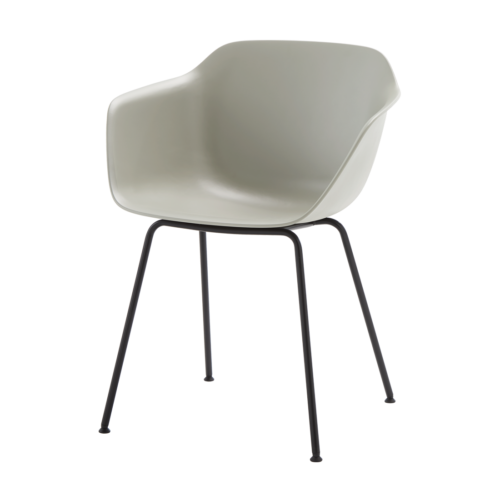
Black and White Base Office Chairs

Black and white base office chairs place colour balance at the centre of the appearance brief. Black identifies the base direction, while white adds another colour requirement that needs clear placement. Before deciding how the combination fits a room, establish which surfaces are intended to be black and which are intended to be white. This prevents an office manager from judging the seating against an arrangement that has not actually been confirmed for the intended workspace.

Consider how the base will relate to existing desks, storage and flooring, especially where rooms contain both light and dark furniture. The colour relationship can be reviewed as part of the overall layout, but it should remain separate from assumptions about construction. Office chairs also need suitable dimensions, support and adjustment for their users. Bringing those requirements into the comparison early keeps a visually distinctive combination connected to practical work, including shared desks, access around furniture and any planned changes to the room arrangement over time.

3 models
From €9.20 p/m
4 models
From €7.79 p/m
12 models
From €7.20 p/m
24 models
From €6.31 p/m
6 models
From €14.41 p/m
17 models
From €4.61 p/m
12 models
From €9.08 p/m
2 models
From €16.58 p/m
19 models
From €4.02 p/m
4 models
From €10.99 p/m
30 models
From €22.94 p/m
12 models
From €9.37 p/m
36 models
From €9.84 p/m
7 models
From €5.41 p/m
16 models
From €7.46 p/m
7 models
From €10.13 p/m
16 models
From €5.21 p/m
14 models
From €5.39 p/m
6 models
From €9.23 p/m
2 models
From €8.08 p/m
Price on request
3 models
From €9.16 p/m
11 models
From €7.34 p/m
7 models
From €21.52 p/m

Decide How the Colours Support the Layout

Review black and white base office chairs against the room plan before focusing on individual finish details. Decide whether the base should relate mainly to dark desk frames, light furniture or the relationship between both. Establish the intended colour placement rather than assuming a particular pattern or set of components. If different areas have distinct visual identities, assess how the same seating brief would work in each. This gives the office manager a clear purpose for the contrast and prevents colour decisions from being made independently of the surrounding furniture.

Check Consistency Without Assuming Exact References

Neither black nor white establishes a named colour standard in this combination. Compare the intended surfaces with the furniture that matters most, under the lighting used in the room. Include texture and sheen where they affect the desired relationship, but confirm those characteristics rather than assuming them. Office chairs should be assessed from comparable viewpoints so that colleagues can discuss differences clearly. Keep a record of the agreed visual references, especially where the room contains several white surfaces that may otherwise be treated as interchangeable during a seating appearance review.

Think Through Changes to Furniture Placement

For black and white base office chairs, a useful planning exercise is to consider the seating beside more than its initial desk position. If rearrangement is expected, review the intended base appearance against the other relevant furniture and floor areas. Then confirm the physical fit in those positions, including base dimensions and access space. Colour coordination cannot establish compatibility with desk supports or nearby storage. Keeping the visual and dimensional checks together helps the office manager judge how the proposed seating relates to the actual arrangements the workplace may need later.

Balance Visual Decisions With Everyday Use

Establish seat dimensions, support requirements and necessary adjustments for the intended users. Shared office chairs need particular attention to how staff set up their working position, regardless of the base colour. Confirm the construction and cleaning instructions for the relevant surfaces as well. Do not assume that either black or white predicts resistance to wear, marking or chemicals. A complete review connects appearance with workstation fit and routine care, allowing facilities colleagues to compare practical requirements while preserving a clear account of the intended colour relationship throughout the room scheme.

Frequently Asked Questions

Does this combination establish a specific black reference?

No named black colour reference is established here. Compare the actual intended appearance with nearby furniture if close coordination matters. White should be clarified separately in the same way. Recording both visual requirements helps colleagues understand the contrast without assuming an exact standard or surface treatment for either base colour.

Can colour placement be assumed from the combination?

The arrangement of black and white needs confirmation before it becomes part of the room brief. Ask for clear views of the base and establish which relevant surfaces carry each colour. Do not infer a pattern, component layout or construction method simply because both colours appear in the seating requirement.

What matters most when desks are shared?

Check that intended users can establish a suitable working position through the confirmed dimensions and available adjustments. Black and white base office chairs should also fit the space around each desk. Keep those functional checks alongside colour coordination and care requirements so that the overall arrangement remains practical for staff.

Explore related selections