

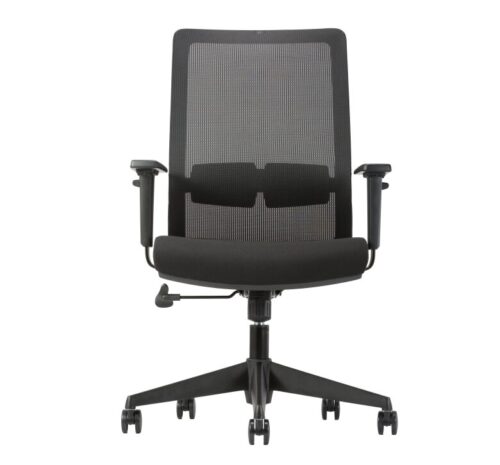
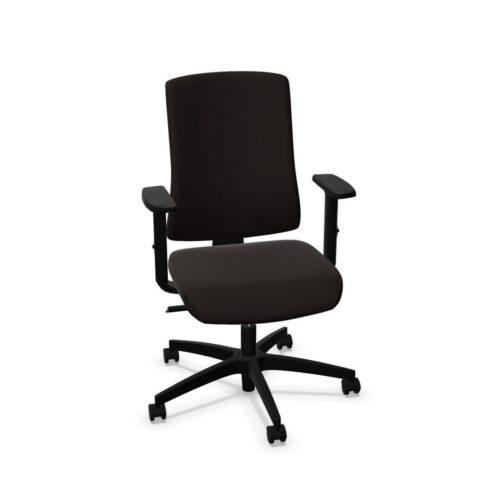
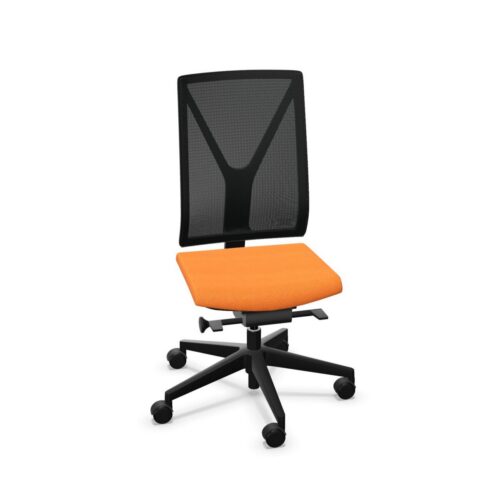
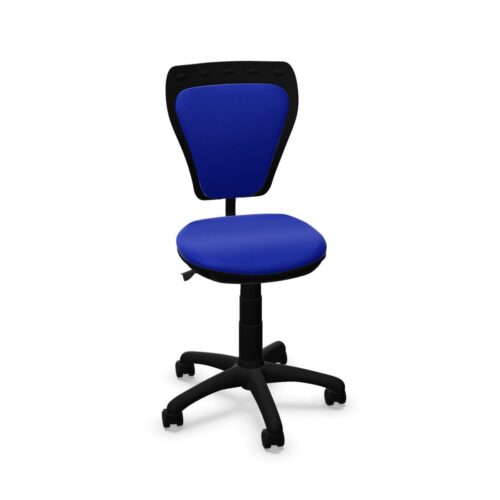
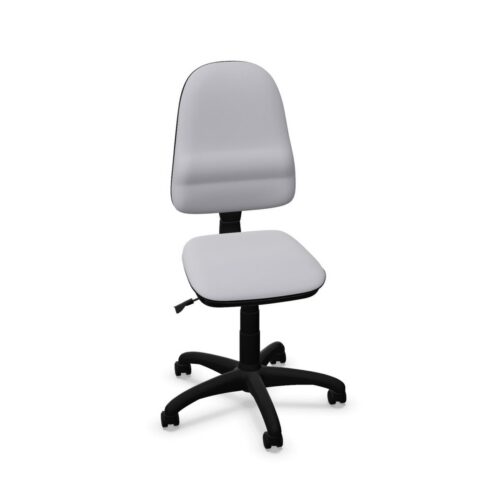
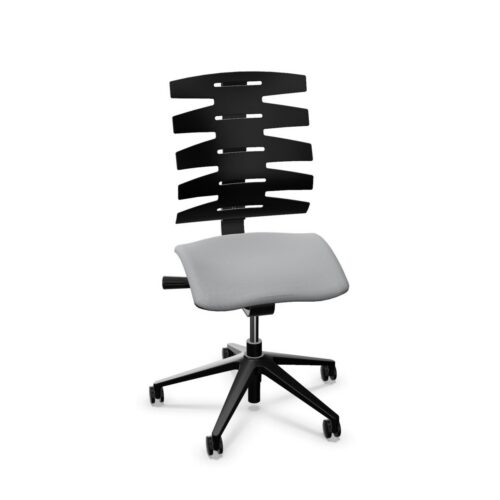
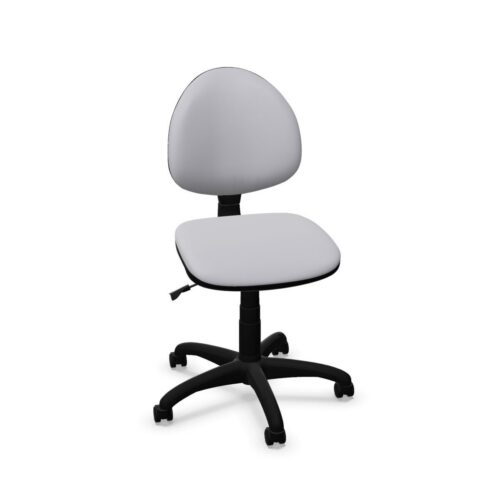
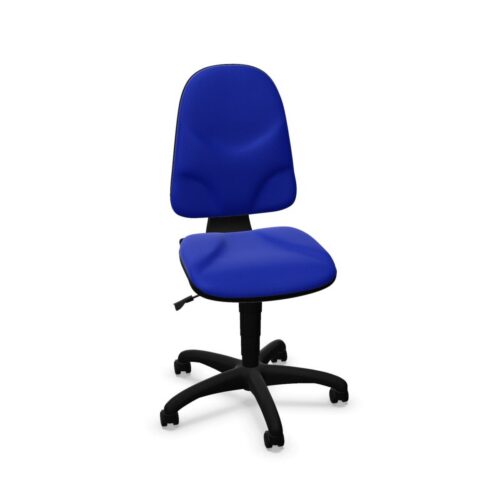
Plastic Base Office Chairs With Height-Adjustable Backrests

Plastic base office chairs with height-adjustable backrests put the backrest position within the user’s setup routine. The plastic base describes construction beneath the seat; vertical backrest adjustment addresses where the backrest meets the body. Together, these characteristics give office managers a specific comparison task: assess the base in the intended room and establish whether people can position the backrest usefully. Neither characteristic, by itself, establishes the overall suitability of a chair for a particular employee or workstation.

For shared desks, adjustment needs to be understandable as well as available. A colleague arriving after another user should be able to identify the control, change the height and confirm that the setting holds as intended. Test this process with the actual people who will use the office chairs. Then check seat position, access to the desk and contact with the floor. Backrest movement is one part of fitting the whole seat to the person and the task.

€4.49 p/m
10 models
From €7.46 p/m
2 models
From €11.56 p/m
2 models
From €11.99 p/m
6 models
From €9.82 p/m
4 models
From €1.97 p/m
2 models
From €15.15 p/m
2 models
From €7.56 p/m
6 models
From €2.89 p/m
6 models
From €10.70 p/m
8 models
From €6.38 p/m
2 models
From €2.48 p/m
3 models
From €4.41 p/m
3 models
From €2.11 p/m
3 models
From €6.48 p/m
8 models
From €12.16 p/m
9 models
From €2.40 p/m
6 models
From €4.14 p/m
15 models
From €8.36 p/m
3 models
From €2.81 p/m
3 models
From €10.09 p/m
28 models
From €11.77 p/m
2 models
From €16.38 p/m
3 models
From €6.89 p/m

Make backrest adjustment part of arrival

Begin a trial of plastic base office chairs with height-adjustable backrests by asking users to set up the seating themselves. Provide the operating instructions, then observe which actions are clear and which require explanation. Establish whether the backrest can be positioned while seated or whether users need to stand; the operating method needs individual confirmation. Ask each person to move through the available settings and identify useful back contact. The presence of adjustment matters less than its practical value if users cannot find a suitable position or reliably return to it during a normal working day.

Examine the plastic base in its setting

Look below the seat as carefully as you assess the backrest. Plastic construction does not establish the base dimensions, the chair's total weight or its stated load capacity. Check those characteristics directly against the workplace brief. Examine where the base sits relative to desk supports and how users place their feet around it. If the seating has castors, confirm their suitability for the floor and assess movement at the workstation. For office chairs beside storage units, include the turning and approach space needed when drawers are open or colleagues are passing behind the occupied desk.

Keep vertical adjustment distinct from other movement

Plastic base office chairs with height-adjustable backrests allow a vertical change in backrest position. That fact does not specify backrest angle, reclining action, lumbar adjustment or seat depth. Compare these features separately wherever they matter to the role. During a fitting session, change one setting at a time so users can explain what helped. After moving the backrest, recheck how the person sits against it and reaches the work. A setting that feels suitable during conversation may need reconsideration once the user starts typing, reading documents or moving between different tasks at the same workstation.

Create a repeatable shared seating routine

For teams sharing plastic base office chairs with height-adjustable backrests, record a short setup sequence rather than prescribing one backrest height for everyone. Start with the person's seated position, locate useful back contact and then check the relationship with the desk. Explain how to recognise that the adjustment is secure using the relevant operating instructions. Revisit the sequence when desks change users or tasks. Invite feedback about awkward controls or settings that are difficult to reproduce. These observations help an office manager distinguish between a feature that exists and an adjustment people can use consistently without repeated assistance.

Practical questions about adjustable plastic base seating

Will every user need the same backrest height?

No single setting should be assumed to suit everyone. Body proportions and seated posture differ. Ask each user to position the backrest, complete representative tasks and check where contact occurs rather than copying the previous occupant's preferred setting.

Does a plastic base establish chair strength?

The material alone does not establish a load rating or suitability for a particular use pattern. Check the stated capacity and relevant supporting information for the complete chair, then compare that evidence with the requirements of the intended workplace.

What should a handover instruction explain?

Show users how to operate the height adjustment, recognise a secure setting and reassess their seated position. For shared office chairs, include a reminder to check desk access and other available adjustments whenever someone else has used the seat.

Explore related selections