

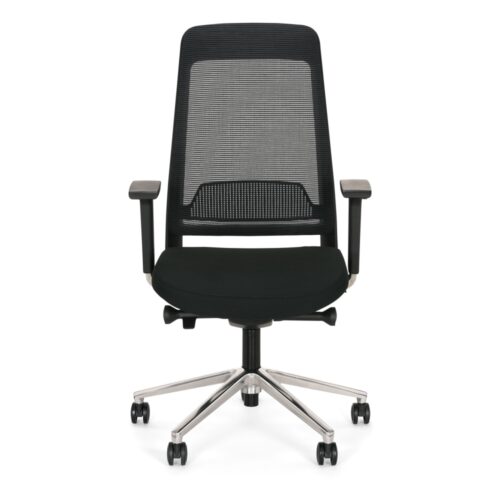
Aluminum Base Office Chairs With Adjustable Back Height

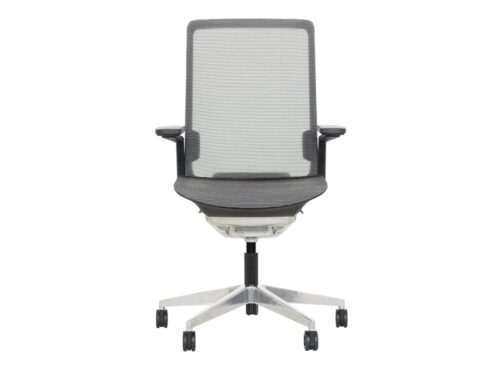
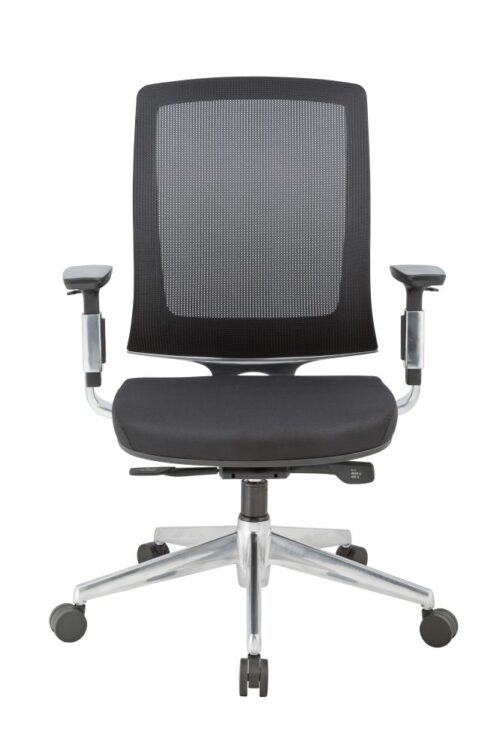
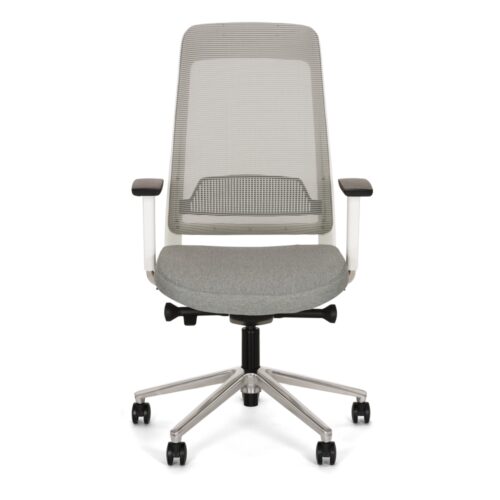
Aluminum base office chairs with adjustable back height can be reviewed through a workplace seating brief that separates construction from personal setup. Aluminum identifies the base material, while adjustable back height allows the backrest’s vertical position to change. The first characteristic can address a material requirement; the second needs a practical assessment with the intended user. Neither establishes a specific finish, separate lumbar adjustment or a particular range of movement, so those details require their own confirmation.

For an office manager coordinating several work areas, a consistent assessment method is more useful than a single preferred setting. Compare office chairs by asking each participant to adjust the backrest according to its instructions, then describe the contact during a familiar desk task. Review the base material information separately and inspect its actual finish in the room. Record individual findings alongside confirmed functions so the final seating plan reflects both workplace requirements and the people who will use the chairs each working day.

€11.25 p/m
€13.51 p/m
2 models
From €11.56 p/m
2 models
From €11.99 p/m
6 models
From €9.82 p/m
8 models
From €10.97 p/m
2 models
From €7.56 p/m
6 models
From €10.70 p/m
8 models
From €6.38 p/m
5 models
From €12.12 p/m
3 models
From €6.48 p/m
15 models
From €8.36 p/m
3 models
From €10.09 p/m
2 models
From €16.38 p/m
3 models
From €6.89 p/m
€8.79 p/m
€10.43 p/m
€13.51 p/m
€7.97 p/m
€10.23 p/m
5 models
From €7.85 p/m
€9.00 p/m
€9.00 p/m

Define The Brief Before The Demonstration

Aluminum base office chairs with adjustable back height should be assessed against clearly stated workplace needs. Identify the reason for specifying the base material, the intended users and the tasks included in the trial. Keep backrest height as a positioning feature to be tested, rather than treating adjustment alone as proof of suitability. Ask for the operating instructions and any documented range before the demonstration begins. This gives the office manager a consistent framework for recording results. It also prevents a visually appealing sample or an easily demonstrated control from deciding the assessment before users have tried it.

Turn The Height Setting Into An Observation

Ask participants to begin in a normal working position and describe where the backrest contacts their back. Adjust its height as instructed, then return to the same activity and compare the experience. Change one setting at a time so the observation has a clear cause. Compare office chairs using these descriptions rather than relying only on a general comfort score. Record positions that feel appropriate and any limitation in the available range. Backrest height adjustment does not establish a separate lumbar mechanism, so assess any such feature only if its presence and operation have been confirmed.

Verify The Base Beyond Its Material Name

For aluminum base office chairs with adjustable back height, the material requirement should remain distinct from appearance and maintenance. Aluminum does not specify the base colour, surface treatment or overall weight. Inspect the actual finish against the room's furniture and request care guidance that applies to that surface. If further construction information matters to the workplace brief, record it only when confirmed. Avoid drawing performance conclusions from the material name alone. The resulting review should explain what the base contributes to the specification while leaving the seated trial to establish how the adjustable backrest works for each user.

Make Setup Guidance Useful Across Work Areas

Once the trial is complete, write brief guidance around the controls that have actually been verified. Explain the purpose of changing backrest height and direct users to the correct operating instructions. Compare office chairs by considering how readily a new user can repeat the setup without a demonstration. If seating moves between work areas, repeat the desk assessment where conditions differ. Keep seat height, arm support and other functions separate until confirmed. Individual observations should remain accessible to the people planning allocation, so consistency across rooms does not erase differences in how users experience the backrest position.

Questions For A Consistent Seating Plan

Does Adjustable Back Height Include Lumbar Adjustment?

Not necessarily. Changing the vertical position of the backrest does not establish a separate lumbar adjustment. Check the chair's confirmed functions and assess the actual contact during a user trial. Any additional support feature needs its own description and operating instructions before inclusion in setup guidance.

Does Aluminum Determine The Base Colour?

No. Aluminum identifies the stated material, not its colour or finish. Inspect the actual base within the room scheme and request relevant surface details. Keep the material requirement separate from visual matching and care instructions so each part of the seating assessment remains accurate.

How Can Managers Compare Different User Settings?

Trial aluminum base office chairs with adjustable back height using the same task and questions for each participant. Record back contact, control access and any limits encountered. Compare the usefulness of each person's resulting position rather than expecting everyone to select the same backrest height.

Explore related selections