










Translate The Interior Brief Into Decisions
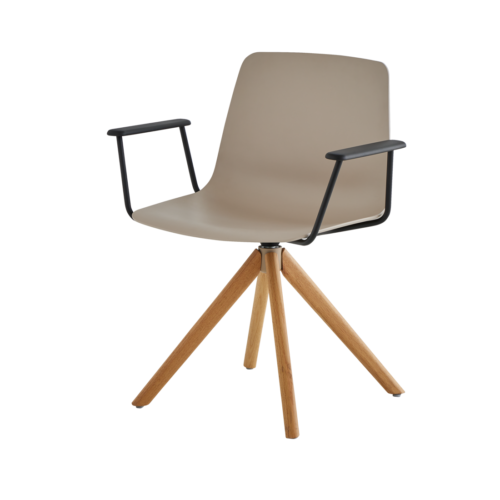
Describe the visual relationships that matter in the room: the connection with table supports, adjacent furniture and the floor. Keep these observations specific enough to compare. Wood alone does not confirm that two bases share a tone, grain or surface treatment, even when they initially appear similar from a distance.
Assess wood-base office chairs with unspecified standards using a representative finish where possible. View it in the intended setting and lighting. Record which differences are acceptable, so that an interior preference becomes an understandable criterion rather than a general expectation that every wooden element will match across the room.
Let Room Function Shape Seating Checks
A room designed for short discussions needs a different assessment brief from an area used for sustained desk tasks. Define the intended activity before reviewing dimensions or adjustments. The base material cannot establish how the complete chair supports that activity or how individual users will fit the seating arrangement.
Check the chair beside the furniture it will accompany. Review access to the work surface, space around table supports and the room needed to sit down and leave. Include users with differing requirements, and distinguish a problem caused by the workstation from a limitation of the chair itself during assessment.
Keep Missing Standards Information Visible
When reviewing wood-base office chairs with unspecified standards, treat the standards position as unresolved information. It is different from a confirmed statement that no standardisation applies. Establish what your organisation needs to know, then ask for evidence relevant to the complete configuration and the intended use of the seating.
If supporting information arrives, check its scope before using it in a decision. Record what it establishes and which questions remain open. Visual coordination and material preference should stay separate from this review, allowing the office manager to explain both the interior choice and the evidence supporting workplace suitability.
