

Plastic-Base Office Chairs With Unspecified Standards

Plastic-base office chairs with unspecified standards call for a comparison that starts with the complete seating arrangement. Plastic identifies the base material, but it does not specify the polymer, construction, finish or care method. Standards remain unspecified, leaving a separate question about the evidence available for the intended workplace use.

For an office manager coordinating cleaning and furniture care, these distinctions are useful. A familiar material name should not determine which cleaning agents are used or how the base is inspected. Obtain the relevant instructions and connect them with the actual cleaning routine, floor surface and responsibilities within the office.

Practical seating fit belongs in the same assessment. Check dimensions, available adjustments and access around the desk before deciding how a chair suits a particular activity. Comparing office chairs this way keeps maintenance questions alongside user needs, so the base material becomes one clear part of the decision rather than an unsupported shortcut to the answer.

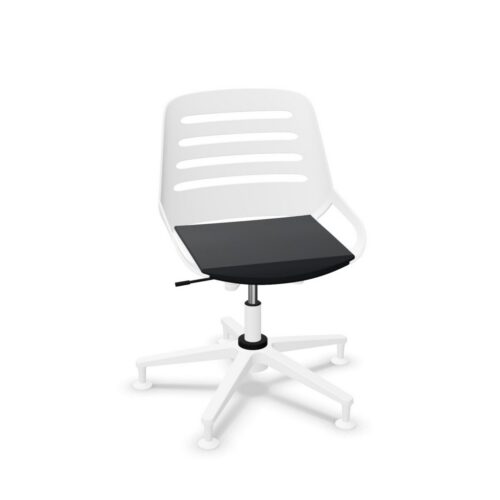
2 models
From €10.32 p/m
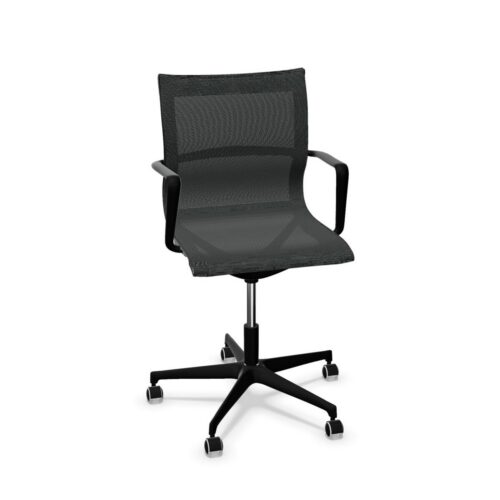
3 models
From €10.49 p/m
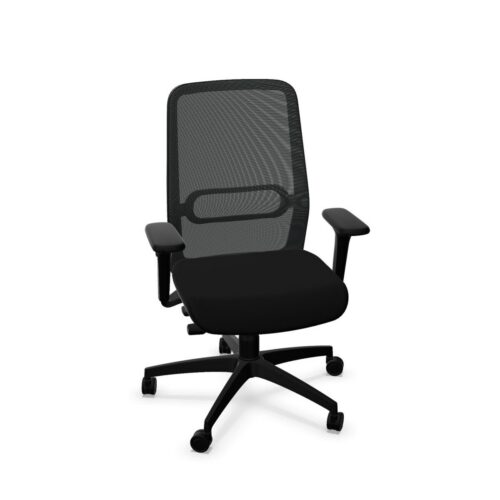
3 models
From €10.17 p/m
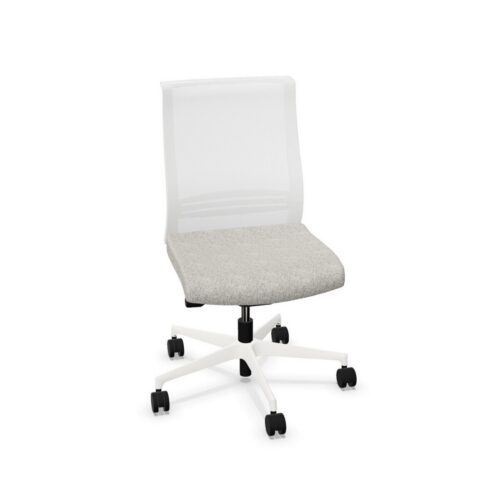
2 models
From €6.13 p/m
2 models
From €9.18 p/m
10 models
From €10.37 p/m
9 models
From €10.37 p/m
28 models
From €2.34 p/m
4 models
From €4.10 p/m
8 models
From €10.39 p/m
4 models
From €7.32 p/m
4 models
From €8.24 p/m
10 models
From €5.35 p/m
12 models
From €6.44 p/m
6 models
From €8.63 p/m
4 models
From €8.36 p/m
2 models
From €9.90 p/m

Build The Care Brief First

List the cleaning methods currently used in the intended room, including the products and equipment involved. Then ask which methods are appropriate for the particular base. A plastic description alone does not establish compatibility with a chemical, cleaning temperature or treatment used elsewhere in the workplace by the facilities team.

For plastic-base office chairs with unspecified standards, a clear care brief helps reveal questions early. Establish who receives the instructions and how they reach cleaning staff. If a method needs changing, assess that operational consequence alongside seating fit instead of leaving it for staff to resolve after allocation.

Inspect Shape, Contact And Access

Review the actual base shape rather than assuming plastic means a particular construction. Look at the footprint, accessible surfaces and floor contact points. Consider how cleaning staff will reach around the chair in its normal position and whether nearby furniture restricts access to the surrounding floor during routine cleaning.

Check movement arrangements independently. The material does not tell you whether the chair has castors or glides, or which floor surfaces those components suit. Obtain the relevant guidance and assess the complete arrangement in the intended room, including the space needed for a user to enter and leave comfortably.

Connect Unspecified Standards With Evidence Needs

Assess plastic-base office chairs with unspecified standards against a written workplace brief. Decide which requirements need formal supporting evidence and which practical questions can be answered through inspection or a seating trial. Keeping those routes distinct helps prevent a satisfactory first impression from being treated as proof of compliance.

Ask about the complete chair configuration and record any information supplied. Unspecified standards do not establish either compliance or failure, so avoid adding either conclusion without evidence. Where a requirement cannot be confirmed, identify who must review the gap and what decision depends on resolving it before seating is assigned.

Evaluate Seating Beyond The Base

Invite intended users to try the chair at a representative workstation. Check the available adjustments, reach to the work surface and clearance around desk supports. Note the relationship between the seat, backrest and task, using observed fit rather than assumptions about the material beneath the seat or its appearance.

Combine these observations with the care assessment in one comparison record. Include essential dimensions, floor contact, setup guidance and responsibilities for reporting concerns. This gives the office manager a practical explanation of the selection and provides a reference if a cleaning procedure, workstation arrangement or intended seating activity later changes.

Care And Selection FAQ

Can All Plastic Bases Be Cleaned Alike?

Do not assume a shared care method. The material description does not identify the specific composition or finish. Use instructions applicable to the actual chair, and check proposed cleaning agents before introducing them into the routine. Make those instructions accessible to the people responsible for maintaining the seating.

Does A Plastic Base Reveal Chair Adjustability?

No. The base material does not establish the adjustment mechanisms fitted to the complete chair. Check each relevant control and its usable range. A practical trial should show whether the available settings work with the intended user, desk and activity, including any limitations that need to be recorded.

What Should An Office Manager Compare First?

Compare plastic-base office chairs with unspecified standards against the intended seating role, then review user fit, floor contact, care instructions and evidence requirements. Starting with the activity gives those details a purpose and helps the team identify which unanswered questions could materially affect the final selection.

Explore related selections