

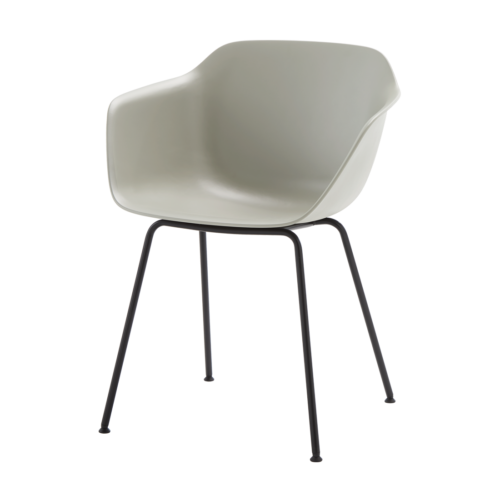
Plastic Office Chairs on Black Bases

Plastic office chairs on black bases bring two visible choices into the same seating brief: plastic upholstery and a black base. Start by identifying where the chair will be used and which tasks it needs to accommodate. A workstation used for concentrated desk work creates different questions from a shared table used for short discussions. The selected combination can guide surface and colour decisions, while the intended activity sets the requirements for fit, movement and available space.

An office manager can make the comparison more useful by treating the chair as part of an occupied workstation. Consider how people approach the desk, sit down, reach their equipment and leave again. Then examine how the plastic covering will be maintained and how the black base relates to nearby furniture. Office chairs should be assessed against these practical requirements alongside their appearance. Record observations in ordinary working conditions so colleagues can understand the reasons behind each preference and any outstanding questions.

10 models
From €15.03 p/m
17 models
From €4.61 p/m
19 models
From €4.02 p/m
3 models
From €3.79 p/m

Define the Seated Task

Begin with a short list of activities: screen work, writing, calls or conversations around a table. For each activity, consider the relationship between the seat, working surface and equipment. Plastic office chairs on black bases still need individual assessment for seat dimensions, back contact and any required adjustments. Ask users to describe specific difficulties, such as reaching the keyboard or finding enough space beneath the desk. These observations give the seating review a clear purpose. They also help distinguish requirements shared across the team from preferences that may differ between individuals.

Examine the Plastic Upholstery

Focus next on the areas people touch. Examine the plastic upholstery directly for its texture, contour and the way it meets adjoining components. The material description alone does not establish padding or surface characteristics. Ask for care instructions covering suitable cleaning methods and any restrictions. For shared office chairs, discuss how that guidance would fit the existing cleaning routine. Plastic office chairs on black bases should be compared using the same maintenance questions, including access around joins and the treatment of the base finish. Assign responsibility for checking instructions before introducing cleaning products or changing established care procedures.

Compare Trials and Record Decisions

Use a consistent trial routine so feedback remains comparable. Invite representative users to complete the same relevant tasks and note their observations about support, reach and available movement. Keep comments about appearance distinct from comments about physical fit, then consider both against the original brief. Plastic office chairs on black bases may meet the visual requirements while leaving practical questions to resolve through the trial. Record confirmed dimensions, required adjustments and agreed care instructions in the final seating record. This gives facilities staff a useful reference when workstations change or the same seating is considered for another room.

Check Black Bases Within the Layout

Place the chair beside the furniture it will accompany. View the black base against desk supports, flooring and nearby storage, checking the actual finish under the room's lighting. A black colour description does not specify a precise colour reference, sheen or construction material. Confirm those details separately where they matter to the brief. Measure the space occupied by the base and compare it with the available area beneath the desk. Include nearby pedestals and table legs in that check. Office chairs need room for the movements expected at that workstation, so observe an ordinary entry and exit rather than judging clearance from an empty room.

Frequently Asked Questions

Does plastic upholstery determine the chair's comfort?

No. Comfort needs to be assessed through the actual seat shape, dimensions and contact surfaces, together with the user's tasks. Use a practical trial to establish how the seating suits the people and workstations involved during ordinary working activities.

What does a black base tell me?

It identifies the base colour. It does not establish the structural material, exact finish or floor contact arrangement. Confirm these details individually and check the actual colour beside existing furniture if coordination is important to the room, under the lighting used each day.

How should shared seating be assessed?

Include people with different working requirements in the assessment. For office chairs used by several colleagues, check how each person achieves a suitable working position and understands any controls. Record differing needs before deciding which seating arrangements suit the team.

Explore related selections