

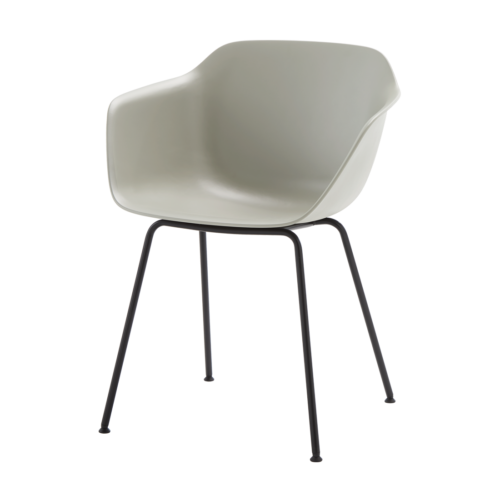
Office Chairs with Black Bases

Office chairs with black bases create a clear starting point for coordinating the lower part of a workstation. The base sits alongside desk legs, storage plinths and floor finishes, so its colour deserves a place in the room brief. Compare these elements together before deciding how closely they should match. A shared black colour description does not establish an identical surface appearance, material or construction across different chairs. View the base in the actual workspace, including the areas visible from neighbouring desks.

For an office manager, the next step is to connect that visual choice with everyday use. Establish who will occupy each chair, which desks it must fit beneath and how people move around the room. Assess the complete chair for the intended tasks, then examine the base and floor interface separately. This approach gives black bases a defined role in the interior while keeping seating suitability central to the comparison and the eventual allocation of chairs.

5 models
From €23.04 p/m
12 models
From €7.20 p/m
24 models
From €6.31 p/m
7 models
From €10.48 p/m
17 models
From €4.61 p/m
2 models
From €16.58 p/m
6 models
From €13.51 p/m
7 models
From €5.41 p/m
16 models
From €7.46 p/m
7 models
From €10.13 p/m
16 models
From €5.21 p/m
14 models
From €5.39 p/m

Coordinate the Details Below Desk Level

Start the visual assessment at floor level. Position a chair beside the intended desk and look across several workstations, rather than judging the base in isolation. Black desk frames, cable management components and nearby furniture may appear different under the same lighting. Decide which relationships need close coordination and where variation is acceptable.

Record the appearance you approve in useful terms, supported by a physical reference where possible. Consider sheen, visible texture and the shape of the base as separate decisions. The black colour establishes one part of the brief; it leaves the underlying material and surface treatment to be confirmed for each chair.

Examine Movement Where the Chair Will Work

Identify the flooring in every area where the chair will be used. Ask which floor contact components are fitted and confirm their suitability for those surfaces. Where castors are involved, include movement, turning and stopping in the assessment. Where another arrangement is used, evaluate that arrangement directly instead of assuming all black bases behave alike.

Look at the space around pedestals, desk supports and walkways. A chair that suits the room visually still needs sufficient clearance during normal use. Include approaching the desk, moving away from it and standing up in a practical trial. Review any change of floor surface along the same route.

Keep User Fit in the Comparison

Agree the seating requirements before comparing base appearances. Establish the working height needed at the desk, the space available for the user and any support or adjustment requirements arising from the task. Check those points on the complete chair. The colour of the base provides no evidence about adjustment, dimensions or suitability for a particular person.

Use a consistent trial process across the chairs under consideration. Ask users to complete representative activities and explain any difficulty reaching controls or changing position. Record their observations against the original requirements. This keeps a coordinated finish from becoming the deciding factor when a chair does not meet the working brief.

Write a Clear Facilities Reference

A useful facilities record distinguishes appearance, construction and servicing information. Identify the approved black base appearance, confirm its material separately and retain the relevant care instructions. Do not assume that a cleaning method suitable for one black surface is appropriate for every other surface with the same colour description. Include accessible instructions for the staff responsible for routine care.

For future replacements, note which aspects must remain consistent across the office. These might include the visible finish, clearance requirements and floor compatibility. Keep the user requirements alongside those details so that a later visual match still receives a full suitability assessment before it joins an established workstation arrangement.

Questions About Black Chair Bases

Does a black base identify its material?

No. Black describes the selected base colour here. Confirm the material and construction independently when comparing chairs. If a particular material is required by your workplace brief, make that requirement explicit and ask for confirmation. Do not infer it from photographs, a dark surface or the appearance of other furniture in the room.

Should every black finish match exactly?

Set that expectation according to the interior scheme. View the chair beside the furniture it will accompany and decide how much variation is acceptable. A close match may matter along a continuous desk arrangement, while another area may allow differences. Assess physical examples under the relevant lighting before approving the relationship between finishes.

What should be checked before allocation?

Confirm the complete chair suits its user and workstation, then check clearance, floor compatibility and the available care instructions. Where several people share a chair, include their different setup needs in the assessment. Record any restrictions clearly so that moving the chair to another room triggers a review of its suitability there.

Explore related selections