



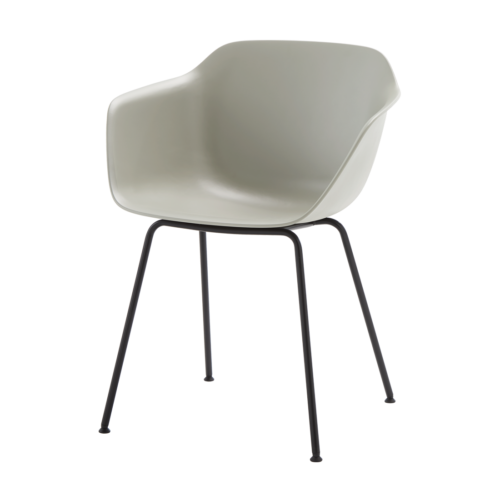
Lounge Furniture With No Armrests and Plastic Bases

lounge furniture with no armrests and plastic bases is a specific combination to assess for informal meeting areas where the arrangement defines individual places. The open sides leave the seat edges visible, while the plastic bases contribute their own forms below. Begin with the intended conversation group, then examine how the furniture outlines relate to the people using it.

Without armrests establishing side boundaries, orientation and separation need deliberate attention. Decide how participants should face one another, where someone joins the group, and how the seating meets surrounding activities. Review the actual base outlines as well as the seats when developing the plan. A group that appears closely connected from across the room may still need distinct approaches to individual places. Include the likely position of personal belongings and any nearby shared surface in the same assessment.

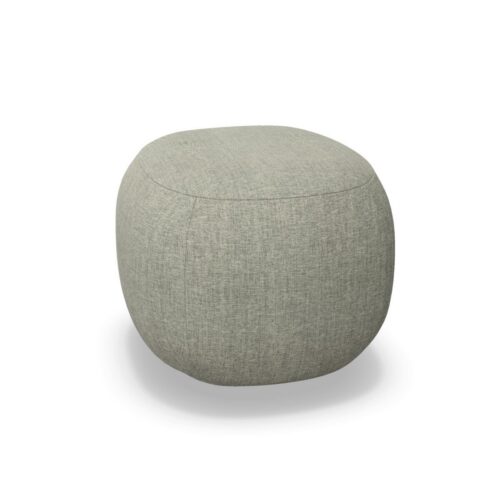
3 models
From €33.95 p/m
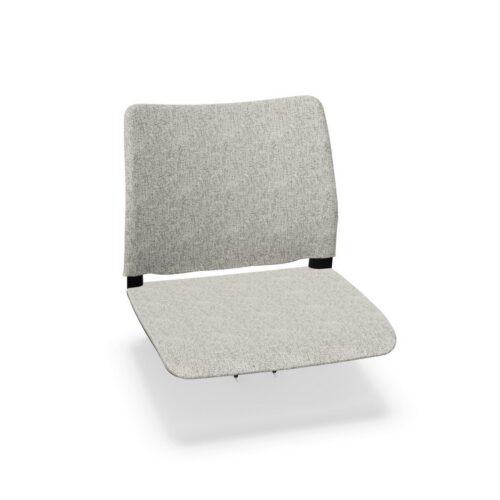
2 models
From €23.96 p/m
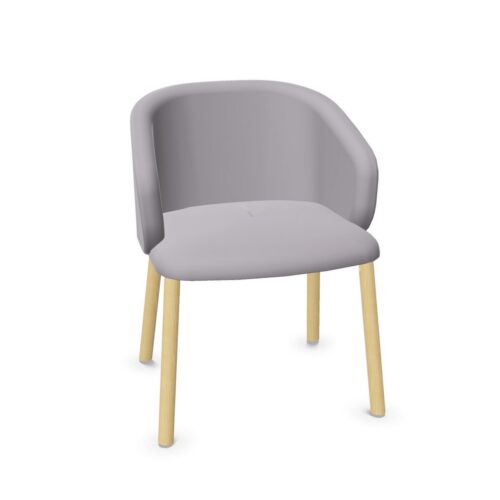
3 models
From €111.28 p/m
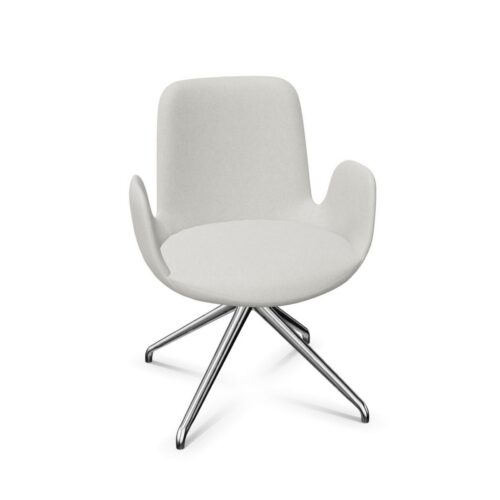
2 models
From €10.93 p/m
5 models
From €10.11 p/m
2 models
From €24.95 p/m
2 models
From €10.00 p/m
17 models
From €4.61 p/m
4 models
From €50.73 p/m
10 models
From €17.02 p/m

Arranging lounge furniture with no armrests and plastic bases

Start with the conversation rather than a preferred geometric pattern. Identify which places should face one another and which should turn toward the center of the group. Then assess the relationship between neighboring armless seats. Their open sides make the separation between places an explicit layout decision. Include the complete plastic base outline when positioning each piece, since the seat edge alone does not describe the furniture footprint. Review the group from the approach and from seated positions. Both viewpoints help assess whether the arrangement communicates individual places within a shared setting.

Establish personal space through placement

Decide how closely the seating should relate without assuming that armless pieces belong directly beside one another. Consider how people sit next to colleagues, turn toward a discussion, and reach a nearby surface. Review where personal items are likely to be kept, particularly at the open sides. The purpose of the gaps should remain clear when the group is occupied. A gap intended to distinguish two places has a different role from an opening used to enter the seating area. Make those roles explicit before settling the overall composition of the informal meeting space.

Assess the plastic base as part of the group

With lounge furniture with no armrests and plastic bases, examine the relationship between the visible seat edges and the forms beneath them. Compare the actual base shapes and finishes individually. The material name provides a shared attribute, while the appearance of the assembled group depends on the particular pieces and their placement. Check the view from adjacent activities as well as from within the conversation area. Pay attention to bases near an approach route or an opening between seats, where their complete outlines need to be understood as part of the circulation assessment.

Review partial occupancy and new arrivals

An informal meeting area is often approached while a conversation is already in progress. Test how someone identifies and reaches an available place when other seats are occupied. Check whether the intended opening remains understandable and whether the newcomer needs to pass through another person's immediate seating area. If a shared surface is included, assess its relationship with each position rather than only its location at the center of the group. Review the arrangement when fewer people are present too, so that its connection to surrounding routes remains clear throughout different patterns of use.

Frequently asked questions

How can individual places be clear without armrests?

Use deliberate orientation and separation between seats. Review how each place relates to its neighbors and how someone approaches it. The actual seat and base outlines should both be included when deciding where the boundaries of a place sit.

Should every seat face the center?

Base the orientation on the intended conversation and surrounding activities. Compare direct facing positions with angled relationships, then assess access to each place. A consistent visual pattern should still be reviewed from the perspective of the people seated.

What is useful to test with the group occupied?

For lounge furniture with no armrests and plastic bases, check access to an available place, separation between neighbors, belongings, and the full base outlines. Review how someone joins the conversation while the existing seating arrangement is in use.

Explore related selections