

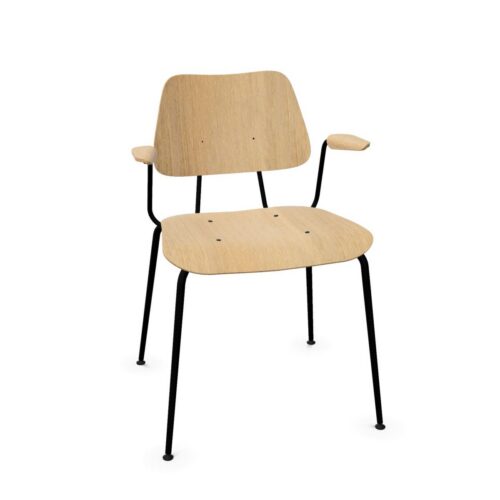
Lounge Furniture With No Armrests and Wood Upholstery

lounge furniture with no armrests and wood upholstery combines an armless seating form with a wood material choice. In a workplace lounge, the useful focus is how the open sides of the seating relate to neighboring places and the surrounding room. Review that outline alongside the wood appearance, while keeping the actual construction of each piece separate from assumptions about the material of every component.

This combination can be assessed for waiting areas, informal meeting settings, or seating alongside shared circulation. Start by deciding how people should approach and occupy the group. Without armrests marking the sides, the arrangement needs to make the relationship between places understandable. Then examine how the wood relates to the established interior. The material name alone does not establish a particular color, finish, or pattern, so visual coordination needs a more specific review.

4 models
From €17.07 p/m
8 models
From €13.28 p/m
17 models
From €9.51 p/m
43 models
From €22.39 p/m
3 models
From €14.53 p/m
5 models
From €11.44 p/m
22 models
From €4.90 p/m
10 models
From €4.67 p/m
3 models
From €18.37 p/m

Placing lounge furniture with no armrests and wood upholstery

Begin with the part of the room the seating will occupy. Identify the main circulation route and decide where the lounge should have a clear boundary. Because the furniture has no armrests, that boundary depends on the seating shapes and their placement rather than an arm outline at the edge.

Look at the group from the directions people are likely to approach. Consider whether the arrangement communicates a place to sit or suggests a passage through the middle. Repeat the review with neighboring seats occupied, since people and personal belongings change how an otherwise open composition is understood.

Set a clear relationship between seats

Armless seating does not determine whether places should be arranged closely together or remain visibly separate. Make that decision according to the activity. For discussion, consider the direction people face and their views of one another. For waiting, consider the relationship to the destination and the independence of adjacent places.

Do not assume that separate pieces connect or form a shared seat simply because their shapes appear compatible. Review the specific furniture information and the actual relationship between the pieces. Keep routes to each intended position clear in the proposal, including when someone needs to leave while nearby places remain occupied.

Compare wood as a visual relationship

When reviewing lounge furniture with no armrests and wood upholstery, assess the wood appearance in context. The general material description does not identify species, color, finish, or the way the material is used throughout the furniture. Establish which details are confirmed before deciding whether the seating coordinates with the interior.

A close visual match is only one possible approach. A deliberate difference may also suit the intended composition, provided it is considered across the room. Use relevant examples under representative lighting, and look at the proposed seating from both a distance and the positions people will occupy.

Evaluate the setting beyond its empty appearance

Review the lounge during the kinds of activity it is intended to accommodate. Consider people arriving together, someone choosing a separate place, and movement beside the group. These scenarios can reveal questions about orientation and spacing that are less apparent in an empty arrangement viewed only from the front.

Complete the assessment with construction and care information for the particular furniture. Confirm where wood is used and which instructions apply to it. The absence of arms does not establish other features, and wood does not imply a universal care routine. Keep the final decision grounded in confirmed details and the workplace's practical expectations.

Frequently asked questions

How can armless seating define a lounge area?

Use the orientation of the seats and their relationship to the room to establish the group. Review the boundary beside circulation and check that an apparent opening does not unintentionally invite people through occupied seating.

Does wood identify the complete seating construction?

No. Confirm where the selected material is used in the specific furniture. Avoid extending the wood description to every component or assuming additional construction details from the appearance of the seating.

What should be considered beside a busy route?

Assess lounge furniture with no armrests and wood upholstery for clear approaches, recognizable seating positions, and a distinct relationship to circulation. Include neighboring occupants and personal belongings when reviewing the proposed arrangement.

Explore related selections