



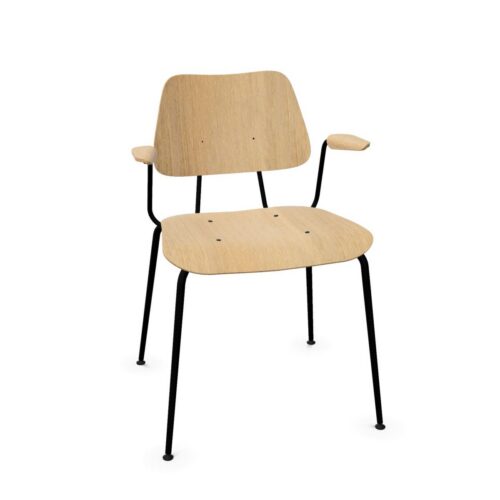


Planning Around wood upholstery for sofas
Start with a surface map of the proposed sofa. Establish which areas are wood, how those areas meet neighboring surfaces, and what remains visible when the seating is occupied. Avoid assuming that a material description explains the construction of the whole piece. The location of the material is as relevant to the brief as its appearance.
For wood upholstery for sofas, review the seat, back, sides, and exposed edges separately. Record what a visitor sees on approach and what a seated person encounters. This gives the project team a shared basis for assessing the material within the complete seating design.
Relate the Material to the Room
Take the existing interior as the starting point. Identify the finishes that will sit directly beside or behind the sofa, including the floor, wall, and nearby furniture. Compare physical samples in that context rather than relying on isolated images. An apparent match in one setting may read differently elsewhere.
When considering wood upholstery for sofas, decide whether the material should repeat an established element or introduce a deliberate difference. Neither approach requires every finish to match. What matters is a clear relationship that remains understandable from the main entrance and the principal seated viewpoints.
