

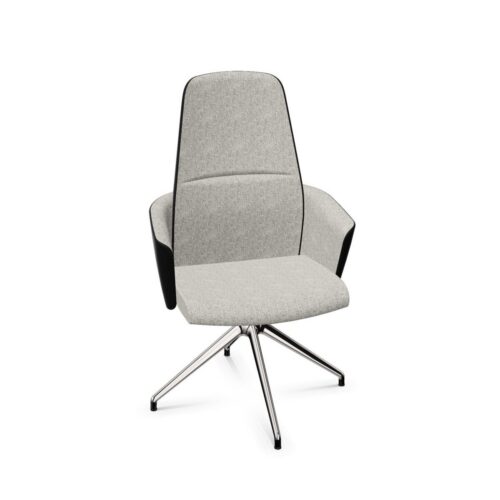
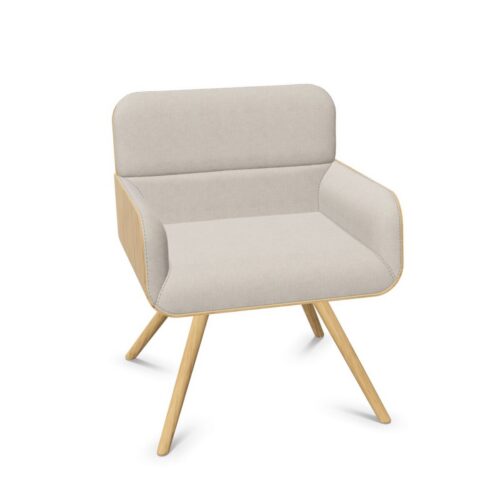
Lounge Furniture With Brown Bases and Fixed Armrests Armrests

lounge furniture with brown bases and fixed armrests armrests combines a brown base color with armrests that remain in a set position. For a meeting lounge, this pairing makes the relationship between the room palette and the seating arrangement especially relevant. Consider whether brown should sit close to surrounding tones or form a visible boundary against the floor, then plan the fixed sides around the intended conversation.

A meeting lounge needs more than a coordinated appearance. People must be able to join the group, face one another, and reach any shared table without the arrangement becoming confusing. Include the armrests in the complete furniture outline when reviewing those movements. Brown describes the base color without establishing its material, so make visual decisions from the actual color relationship. Compare the group from the entrance and from seated positions before settling on its composition.

3 models
From €14.88 p/m
3 models
From €16.85 p/m
2 models
From €57.11 p/m
7 models
From €66.27 p/m
4 models
From €33.37 p/m
5 models
From €43.95 p/m
2 models
From €52.93 p/m
3 models
From €7.28 p/m
3 models
From €14.35 p/m

Orienting lounge furniture with brown bases and fixed armrests armrests

Start with the conversation the room is intended to accommodate. A group arranged for participants to face one another has different relationships from seating directed toward a single focal point. Establish that orientation before positioning tables or introducing additional furniture. Fixed armrests belong to the seating outline throughout this process, so include their position when reviewing the route into each place. Brown bases add a color relationship near the floor that can either distinguish the group or connect it with its surroundings. Consider both the conversational arrangement and the visual composition before refining the details of the meeting lounge.

Test the tonal relationship at floor level

For lounge furniture with brown bases and fixed armrests armrests, compare the base color directly with its immediate background. A close relationship with the floor may make the base less prominent, while a stronger difference can emphasize the individual pieces. Review the effect under the room's normal lighting, especially where daylight changes the appearance during use. Brown should be assessed as a color rather than taken as evidence of a particular material. Where the room includes other brown elements, consider how their tones relate. Coordination can involve a considered difference as well as a close match, depending on the intended composition.

Resolve tables around permanent side positions

Place a shared table only after the seats have a clear relationship to one another. Check whether participants can reach it from their intended positions and whether the fixed armrests affect the approach. A surface beside the seat creates a different relationship from one between facing seats, so compare both arrangements in context. Review the movement involved in joining and leaving the group while others remain seated. Avoid treating the space beside an armrest as unused simply because it contains no furniture. It may be part of the approach route or the area someone needs when standing up.

Maintain a legible room arrangement

A meeting lounge can contain several competing visual relationships: the conversation group, the entrance, neighboring areas, and the room's color composition. Decide which should be apparent first. Brown bases may provide continuity near the floor, while fixed arms create recurring side outlines above them. Review whether those repeated elements make the arrangement coherent from the entrance. Then assess the view from within the group, including the route toward the door. Check the composition when partly occupied, since people can obscure color accents and alter apparent gaps. Adjust furniture placement where necessary before relying on additional room elements to explain the intended organization.

Frequently asked questions

How should seats be oriented for a meeting lounge?

Begin with the intended direction of conversation. With lounge furniture with brown bases and fixed armrests armrests, check the full seating outlines as participants face one another, then review how they enter the group and reach any shared table.

Does brown need to contrast with the floor?

No. A close tonal relationship and a clear contrast can both be deliberate choices. Compare them in the intended room, considering how prominently the bases should appear and whether the whole seating group remains visually understandable.

Why plan the armrests before the tables?

Their fixed positions are part of the seating arrangement. Resolving those positions first helps establish where a table can sit in relation to reach, approach, and departure. It prevents an appealing table composition from determining an impractical relationship between the seats.

Explore related selections