



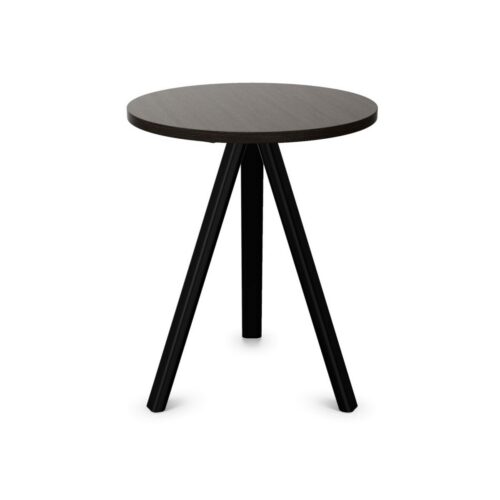
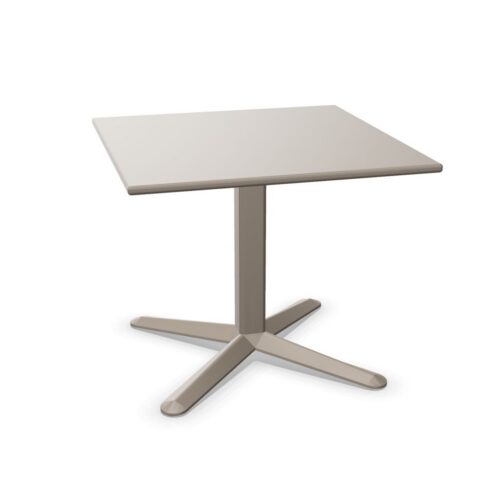

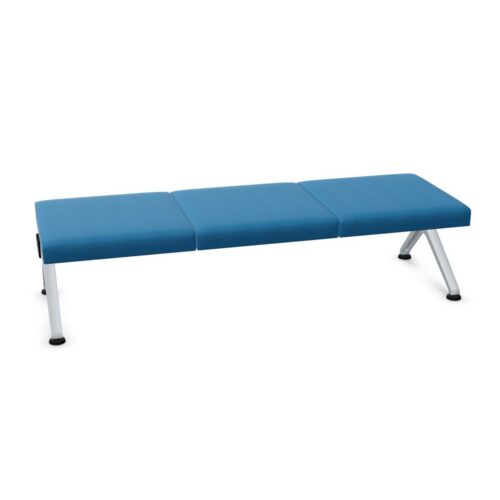
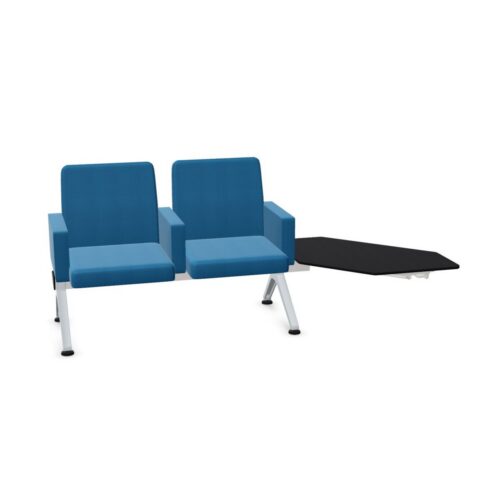
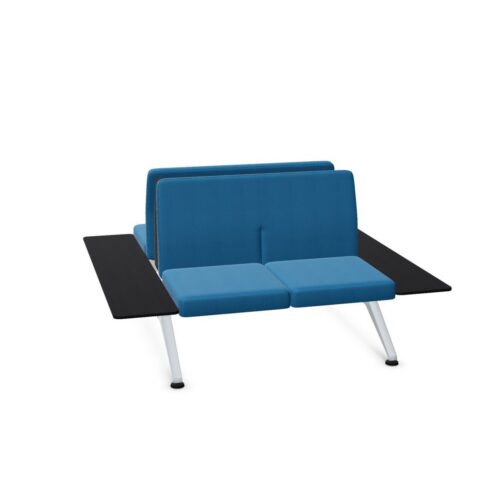
Assessing lounge furniture with grey bases and silver bases
Build the comparison around actual appearance rather than color names alone. Grey and silver can occupy a similar part of a neutral palette, making small differences relevant when they are seen together. With lounge furniture with grey bases and silver bases, identify the tone that should lead the room scheme. It might be the floor, an existing furniture detail, or the seating color above. Use that reference consistently so the bases are assessed within a clear visual relationship rather than against an undefined idea of neutral.
Review the room under different lighting conditions
Observe the intended base appearance under the lighting relevant to the lounge. Daylight, interior lighting, and nearby colored surfaces can affect the way a neutral composition is perceived. Compare the entrance view with the view from adjacent seats, especially where the base is clearly exposed. Do not assume that silver implies a reflective surface or that grey implies a matte one. Assess the actual surface appearance and record what matters to the scheme, including the degree of tonal separation from the floor.
Distribute visual emphasis across the seating group
When arranging lounge furniture with grey bases and silver bases, look at the combined effect of all visible lower details. A base that seems understated alone may become more noticeable through repetition. Compare the exposure of the bases beneath different seating forms, particularly where those pieces face each other. The goal is a deliberate distribution of visual emphasis. If one piece shows much more of its base, decide whether that difference supports its position in the group or creates an unintended focal point.
