

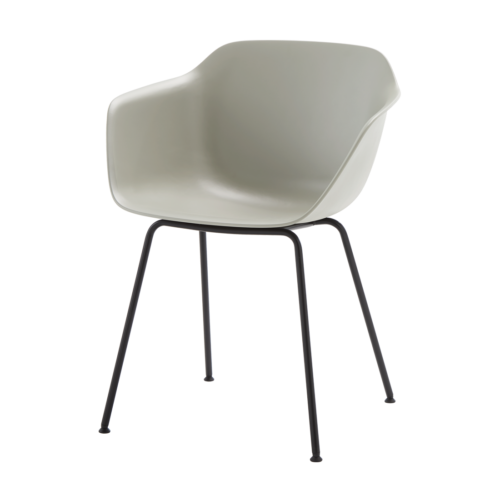
Lounge Furniture With Pink Bases and Plastic Upholstery

Lounge furniture with pink bases and plastic upholstery gives a workplace lounge a specific accent at the base of the seating. It can form part of a considered reception palette or distinguish an informal meeting area through color. Begin by deciding how visible the pink should be. Its contribution depends on the surrounding colors, the upholstery above it, and the viewpoints from which people encounter the furniture.

Treat pink as a design choice tied to the room, without assigning assumptions about who will use the space. The plastic upholstery is a separate material attribute and does not establish a matching seat color. Compare the full combination within the intended layout, paying attention to the entrance, neighboring furniture, and the routes around each group. This keeps the accent connected to a practical seating plan and a clear visual intention.

5 models
From €5.06 p/m
17 models
From €4.61 p/m
17 models
From €9.51 p/m
43 models
From €22.39 p/m
4 models
From €5.64 p/m
2 models
From €3.26 p/m

Composing lounge furniture with pink bases and plastic upholstery

Decide whether pink should be an isolated accent or part of a repeated room palette. A base-level detail may connect with another pink element, but that connection should be intentional. Consider the room as a whole before adding further accents simply because the seating introduces the color.

Review the visible amount of pink from different approaches. The bases may be prominent from an adjacent route and less noticeable from the entrance, depending on furniture placement. Use those actual views to assess the color balance. Avoid relying solely on an isolated presentation that removes the floor, neighboring furniture, and other relevant surroundings.

Give the upholstery an independent role

When assessing lounge furniture with pink bases and plastic upholstery, decide how the seating surface should relate to the base color. A close tonal relationship may emphasize the complete piece, while a contrasting upholstery color may draw attention to its separate elements. Evaluate both approaches within the surrounding palette.

Look at the combination under the intended lighting and against the actual room colors. If nearby accents already attract attention, consider whether the pink supports the composition or introduces another competing element. The objective is a clear color relationship that can be maintained through later interior decisions, rather than an assumption that pink requires a particular companion color.

Arrange the lounge for its intended users

Define the activities the seating area should accommodate and plan orientation around them. Visitors waiting independently may need a clear view toward reception. Colleagues meeting informally may need a shared conversational focus. Neither use follows automatically from the pink bases or the plastic upholstery.

Consider how an arriving person approaches the group and identifies an appropriate place to sit. Keep routes around the furniture understandable, especially where the lounge connects several workplace areas. Review the arrangement with people and belongings in mind. A color accent can support the identity of the space, while placement establishes how it works in everyday use.

Make color decisions reviewable

Compare lounge furniture with pink bases and plastic upholstery using an agreed room palette and consistent viewpoints. Ask reviewers to assess the same questions: how much pink is visible, how the upholstery relates to it, and whether the overall composition fits the workplace setting.

Document the preferred relationship so future choices about adjacent furniture and decoration do not change the balance accidentally. Alongside that visual review, confirm relevant care guidance for the actual upholstery and base finish. Include the people managing the lounge in the discussion and assess suitability for the intended activities separately from preferences about color.

Frequently asked questions

Does pink need to appear elsewhere in the room?

No. It may remain a deliberate accent beneath the seating. If you repeat it, choose locations that support the overall composition rather than distributing the color without a clear purpose.

How can pink be assessed for a professional setting?

Judge the actual tone, surrounding palette, and furniture arrangement together. Connect the choice to the workplace's interior direction and intended activities, without making assumptions about users based on color.

What matters when the bases are partly concealed?

Review lounge furniture with pink bases and plastic upholstery from the main approach and adjoining routes. Decide whether the amount of visible pink still achieves the intended accent before changing other room colors.

Explore related selections