

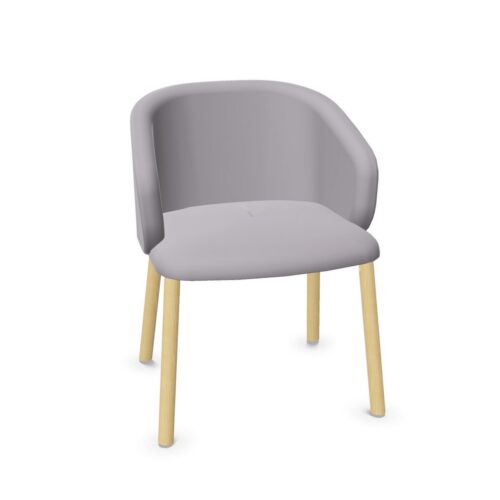
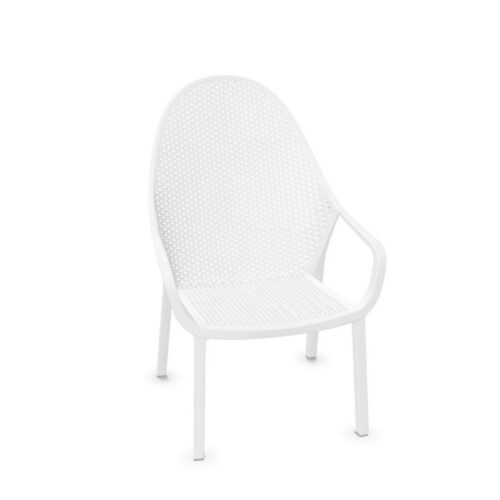
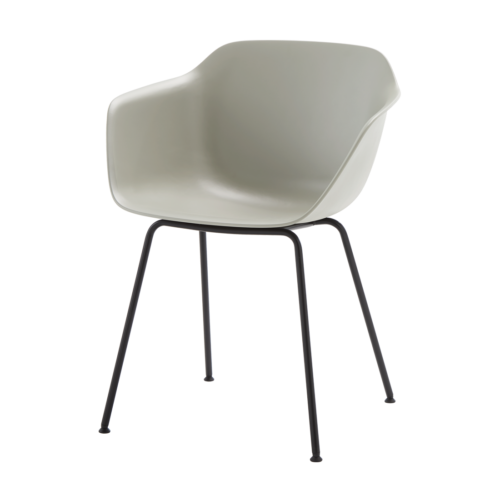
Lounge Furniture With Red Bases and Plastic Bases

lounge furniture with red bases and plastic bases focuses attention on the relationship between a colored base and the seating above it. Red establishes the visual accent, while plastic identifies the base material. For a shared workplace lounge, the most useful starting point is the complete silhouette: how the base appears from across the room, how much remains visible, and how its shape relates to neighboring furniture.

Keep color, material, and form connected throughout the comparison. A red base should be assessed against the floor and the surrounding palette, while the plastic material designation should not be used to infer texture, sheen, or construction. Consider how often the red detail will repeat within the arrangement. The aim is a seating area with a deliberate visual rhythm and a clear relationship to the wider interior, supported by observations of the actual furniture.

3 models
From €16.85 p/m
4 models
From €21.57 p/m
5 models
From €10.11 p/m
17 models
From €4.61 p/m
2 models
From €13.10 p/m
3 models
From €24.35 p/m
2 models
From €3.26 p/m
3 models
From €4.90 p/m
2 models
From €28.99 p/m
54 models
From €9.47 p/m

Reading lounge furniture with red bases and plastic bases

Begin with the base outline rather than a close view of its surface. Consider whether the visible shape echoes the seating above it or introduces a different geometry. Then look at the complete piece within the room. This sequence helps establish how the red plastic base participates in the furniture's overall appearance.

Assess the outline from several practical viewpoints, including the main approach and nearby circulation routes. A detail that is prominent from one direction may be concealed from another. Plan around the views that matter in the intended lounge instead of assuming an equal visual effect throughout the space.

Control repetition within the seating group

With lounge furniture with red bases and plastic bases, repeated color can become a strong part of the arrangement. Decide whether the red should appear throughout the lounge or be concentrated in a particular seating area. Judge that decision alongside the room's existing accents and the overall furniture composition.

Repetition does not require every surrounding element to share the same color. Compare the red bases with the seating surfaces, floor, and backdrop as a complete palette. If other red elements are present, view them together before treating them as a match. Similar names can describe visibly different tones.

Keep material assumptions out of the brief

Plastic identifies a material category. It does not, by itself, establish the surface texture, exact composition, cleaning method, or construction of a base. Record any project requirements separately and confirm the relevant details for the furniture under consideration. This keeps the comparison grounded in the selected combination.

Look closely at the actual visible surface when appearance matters to the interior scheme. Avoid using the material name as a shortcut for a particular visual style. The furniture's form and finish need their own assessment, particularly when the red base will be clearly exposed against the floor.

Plan a coherent shared lounge

Place lounge furniture with red bases and plastic bases within a layout that makes the seating relationships clear. Decide which seats face one another and which relate to the room's main approach. Keep the visual role of red separate from the practical need for understandable routes through the space.

Review the arrangement as a whole before finalizing individual preferences. Check whether the red details appear balanced from the entrance and whether they remain relevant from within the lounge. A short review using consistent viewpoints can reveal differences that are easy to overlook when furniture is considered in isolation.

Frequently Asked Questions

Does plastic establish a particular surface texture?

No. The material designation alone does not establish whether a surface appears smooth, textured, glossy, or otherwise treated. Examine the actual base and confirm any surface details that are important to the scheme.

How much red should repeat in the lounge?

Base that decision on the intended composition. Compare red distributed across the seating group with red concentrated in a smaller area, then assess both against the room's other accents and main viewpoints.

Why compare the base against the floor?

The floor provides the immediate visual background for the base. Seeing them together helps clarify the red's prominence and the legibility of the base outline within the proposed arrangement.

Explore related selections