

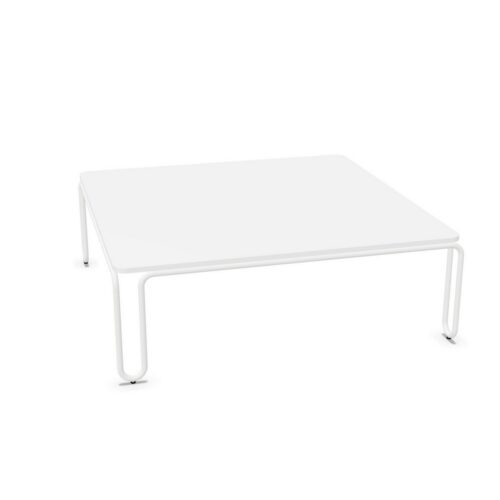
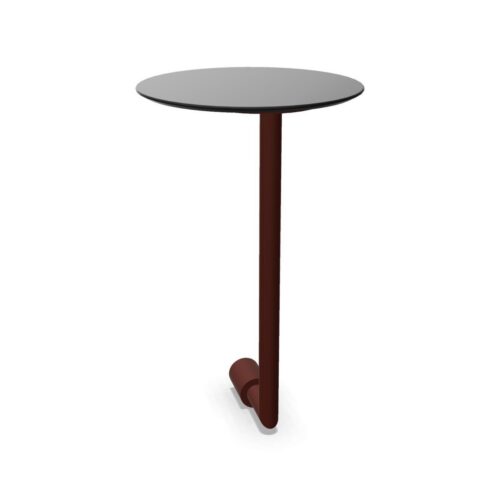
Lounge Furniture With Red Bases and Steel Bases

lounge furniture with red bases and steel bases brings a defined material and color relationship into the lounge plan. Steel identifies the base material, while red establishes its selected color. The useful design question is how that red base appears beneath the seating and across the room. Its contribution depends on the visible form, the surrounding palette, and the direction from which people approach the furniture.

Start with the layout rather than assumptions about the material. Identify the main seating relationships and the routes around them, then review where the red bases will be seen. Compare their outlines against the floor and assess how the color repeats within the group. Keep questions about construction, surface treatment, and care tied to the actual furniture, allowing the visual decision and the specification checks to inform each other without becoming confused.

2 models
From €9.47 p/m
2 models
From €9.33 p/m
€19.45 p/m
2 models
From €19.09 p/m
8 models
From €27.67 p/m
4 models
From €21.57 p/m
4 models
From €94.99 p/m
4 models
From €35.51 p/m
€46.12 p/m
3 models
From €98.55 p/m
2 models
From €1.68 p/m

Arranging lounge furniture with red bases and steel bases

Map the main approach into the lounge and the intended relationship between seats. Decide where visitors should enter the group and which pieces face each other. Once that arrangement is clear, assess the exposed bases from the same viewpoints. This connects the red steel detail to the room's actual seating composition.

Check the view from within the lounge as well as the entrance. Bases that appear closely grouped from one direction may look more dispersed from another. A useful arrangement accounts for these differences while keeping circulation and seating orientation clear for the people using the room.

Read the base outline against the floor

The visible form deserves close attention when comparing lounge furniture with red bases and steel bases. Look at where the red outline is distinct from the floor and where it becomes less noticeable. Assess the complete base shape without assuming a particular profile, construction method, or surface treatment from the steel designation.

Consider how the base relates to the furniture above it. Repeated lines or contrasting forms can each have a place in an interior scheme, provided their relationship is deliberate. Use the actual appearance to guide that judgment, and avoid treating the material name as a complete description of the design.

Set a clear hierarchy for red

Review the other accents already present in the room. If red is intended to be the leading color detail, assess whether nearby elements allow that role to remain clear. If another feature takes priority, judge the bases as a supporting part of the palette. The decision should be visible in the overall composition.

Compare red tones together before treating them as coordinated. The same color label can cover different appearances, and room lighting affects the impression of each. View the bases alongside the floor, seating, and backdrop to establish their actual relationship rather than relying on names or isolated color references.

Make the material review specific

A brief for lounge furniture with red bases and steel bases should identify which details are established and which remain open. Red and steel describe the selected combination. They do not establish the exact finish, assembly, or care requirements of the complete piece. Ask focused questions wherever the project depends on those details.

Keep the final comparison organized around the room: overall seating arrangement, visible base outline, palette relationship, and confirmed care information. This helps different stakeholders discuss the same evidence. It also prevents a preference for the red steel combination from being mistaken for confirmation of other furniture characteristics.

Frequently Asked Questions

Does steel determine the appearance of the base?

It identifies the material, but not the complete visible treatment or shape. Assess the actual red surface and base outline, then confirm any finish details required by the interior brief.

Should the base follow lines elsewhere in the room?

It may echo surrounding forms or introduce a deliberate difference. Compare the complete arrangement and decide which relationship gives the seating group a clear place within the room's visual structure.

How should red be balanced with another accent?

Decide which accent leads the scheme, then assess their relative prominence from the entrance and within the lounge. Use placement and repetition to make that hierarchy clear in the proposed arrangement.

Explore related selections