

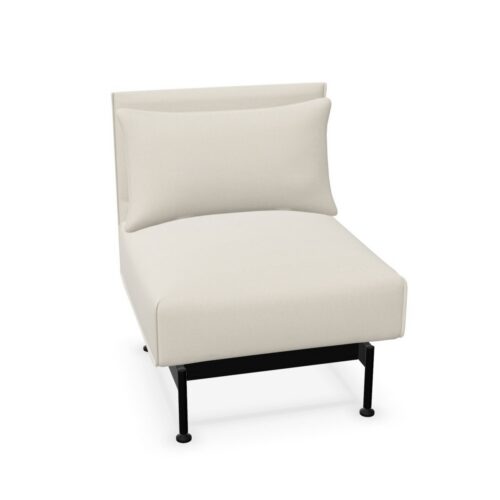
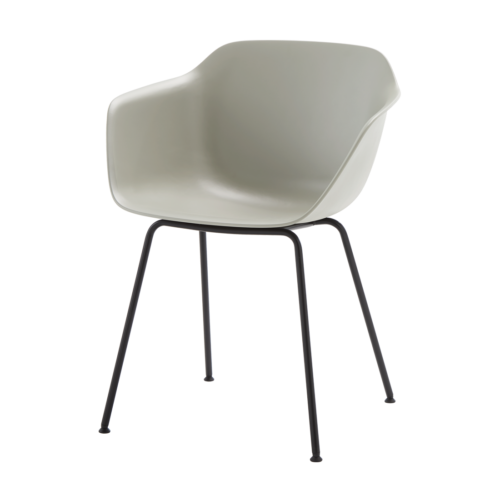
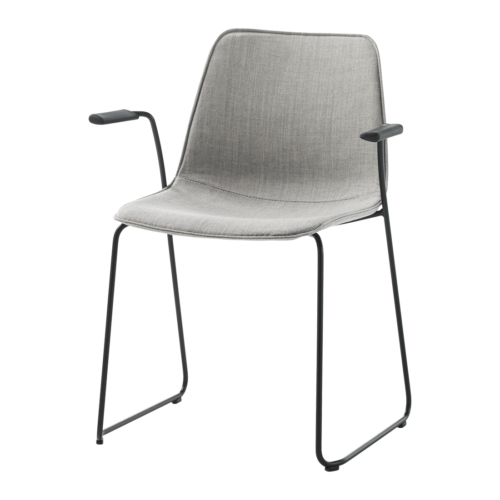
Lounge Furniture With White Bases and Era Upholstery

lounge furniture with white bases and era upholstery requires a clear decision about how the base relates to the room’s lighter colors. White may connect with existing interior details or provide a visible contrast beneath the upholstery. Start with the complete palette, including the floor directly behind the base, rather than assuming white will blend into every setting. Its visual role depends on the colors immediately around it.

In a reception or shared lounge, assess this combination from the routes people actually use. A base that looks understated from the entrance may become more noticeable from the side or against a different background. Compare the chosen upholstery color at the same time, and review any nearby whites together. Slight differences can matter when they sit within the same view. This gives the seating a deliberate relationship with the interior while keeping the arrangement focused on the room’s intended activities.

3 models
From €48.97 p/m
4 models
From €44.46 p/m
5 models
From €64.42 p/m
6 models
From €29.07 p/m
4 models
From €20.07 p/m
2 models
From €20.36 p/m
3 models
From €22.22 p/m
€25.73 p/m
2 models
From €12.97 p/m
3 models
From €17.87 p/m
2 models
From €22.22 p/m
29 models
From €20.36 p/m
2 models
From €29.19 p/m
10 models
From €32.06 p/m
15 models
From €17.67 p/m
3 models
From €61.38 p/m
4 models
From €148.53 p/m
2 models
From €34.01 p/m
17 models
From €4.61 p/m
2 models
From €8.34 p/m

Evaluating lounge furniture with white bases and era upholstery

Begin by deciding whether white is intended to connect the furniture to the room or distinguish the base from its surroundings. Those are different visual briefs and should lead to different comparisons. For continuity, review the base alongside nearby white details. For contrast, pay particular attention to the floor and upholstery. In both cases, assess references together under the lighting planned for the area. Avoid treating white as a single universal appearance. The useful test is how the selected base color works within this room and with the other parts of the proposed seating group.

Review the floor as a background

Look at the base from the normal entrance viewpoint and then from the side. The floor provides much of its immediate background, but that relationship can change across the room. Check positions near daylight and positions dominated by artificial light. The purpose is to understand the visual result, without assuming that the base will appear identical everywhere. Include the spaces beneath and between the furniture in the assessment. These areas influence how much white is visible across the group and whether the base reads as a recurring detail or a more continuous part of the composition.

Set the upholstery relationship deliberately

With lounge furniture with white bases and era upholstery, the upholstery color should be evaluated as part of the same decision. Decide if you want a pronounced distinction between upholstery and base or a closer color relationship. Then judge that choice against the room's wider palette. If several surrounding elements already demand attention, a strong furniture contrast may add another focal point. If the seating needs a clear identity, that distinction may suit the brief. Compare the complete group so the final decision reflects repeated relationships rather than the appearance of an isolated piece.

Make the arrangement understandable

Color coordination should support a layout that people can read easily. Establish the approach to the seating, the direction each part of the group faces and the route around its perimeter. In reception, review the relationship with the arrival point and the path onward into the building. In a shared lounge, distinguish the seating area from nearby circulation through placement. Return to the white bases after the layout is resolved and check their visibility from these routes. This sequence keeps the color review tied to the actual use of the space and the viewpoints it creates.

Questions about white bases and Era upholstery

Should white bases match nearby white details?

They do not need an exact match, but differences should be reviewed together. Decide whether the relationship looks intentional within the complete room palette.

How can the base remain visually distinct on a light floor?

Assess the actual color relationship and visible form. Do not rely on color alone to define the group; furniture orientation and the spaces around it also shape its identity.

Which viewpoints matter most during comparison?

Review lounge furniture with white bases and era upholstery from the entrance, the main passing route and within the seating area. Include any position where the background color changes noticeably.

Explore related selections