

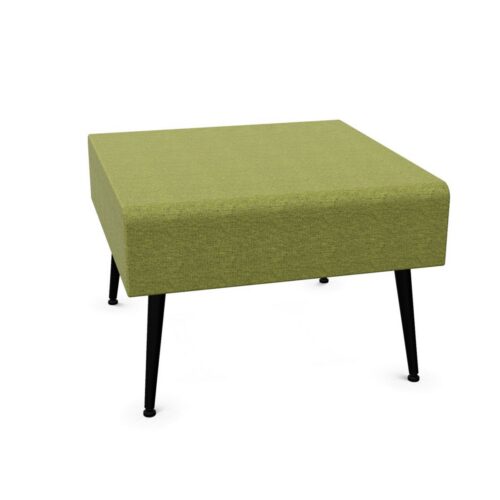
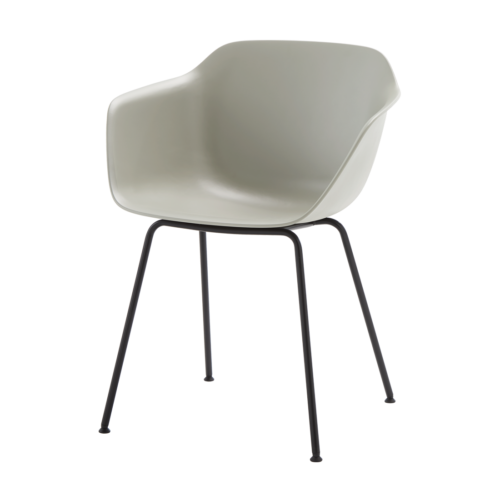
Lounge Furniture With Wood Bases and Black Base Bases

lounge furniture with wood bases and black base bases combines a wood-colored reference with a black base appearance. For a workplace lounge, the central design decision is how these colors should relate within the seating arrangement. Establish where each appears on the actual furniture, then consider whether the relationship should be a recurring feature across the room or a quieter detail beneath individual sofas and lounge chairs. This makes the combination useful to the overall composition.

Review black as a visual characteristic without inferring an underlying material, sheen, or finish process. Likewise, wood color does not establish a wooden base. Compare representative examples against the intended floor and surrounding finishes, looking at both the base detail and the complete seating silhouette. This is particularly useful where the lounge is visible from several directions and the lower part of the furniture contributes to views from adjoining workplace areas.

3 models
From €10.66 p/m
2 models
From €26.69 p/m
17 models
From €4.61 p/m

Planning lounge furniture with wood bases and black base bases

Start with the wider room composition and decide what the black appearance should contribute. It may connect the seating with an existing color reference or give the lower part of the furniture a clearer visual definition. Establish how the wood color relates to that intention on the actual piece. Review clear front, side, and rear views where those perspectives will be visible. Avoid assuming a particular arrangement of components from the two color descriptions. A precise understanding of the base appearance provides a sound starting point for coordinating the complete seating group.

Set the balance between wood color and black

Compare the amount and prominence of each visible appearance within the complete furniture form. The relationship may read differently from close range and from across the lounge. Use the entrance view to assess the overall impression, then review the detail from positions within the seating arrangement. Decide which reading matters most to the project. Neither wood color nor black appearance determines the underlying composition, so keep any material questions separate from this visual review. Record the intended balance clearly enough that different participants can evaluate the same qualities during the selection process.

Consider the floor and surrounding sightlines

For lounge furniture with wood bases and black base bases, the surrounding floor is an important part of the visual comparison. Review how clearly the base outline can be distinguished and whether the wood color remains apparent in the intended setting. Include views from adjoining areas, particularly when seating backs and sides remain exposed. The objective is to understand the actual appearance, without assuming that black will always recede or that wood color will always dominate. Test those expectations against representative views of the complete arrangement before deciding which pieces support the room best.

Coordinate variation across seating groups

A shared relationship between wood color and black can connect different sofas and lounge chairs without requiring identical forms. Decide which quality should remain consistent: the wood tone, the prominence of black, or the visible base outline. Prioritize one clear relationship and evaluate the others in support of it. Review several groups together to check whether repetition strengthens the intended composition. Document deliberate variations as well as shared details. This gives the project team a clear explanation of how the furniture works together and helps prevent small differences from being treated as problems without considering their design purpose.

Frequently asked questions

Does a black base indicate a particular material?

No underlying material is established by black appearance alone. Confirm composition separately when required, and review the actual visible finish against the intended project setting.

Should the wood color match nearby finishes?

It can match closely, relate tonally, or provide a deliberate difference. Choose the intended relationship first, then assess representative examples alongside the surrounding finishes.

How can different seating pieces feel coordinated?

Compare lounge furniture with wood bases and black base bases through a shared wood tone or a consistent prominence of black. Review the complete group before deciding which differences are appropriate.

Explore related selections