

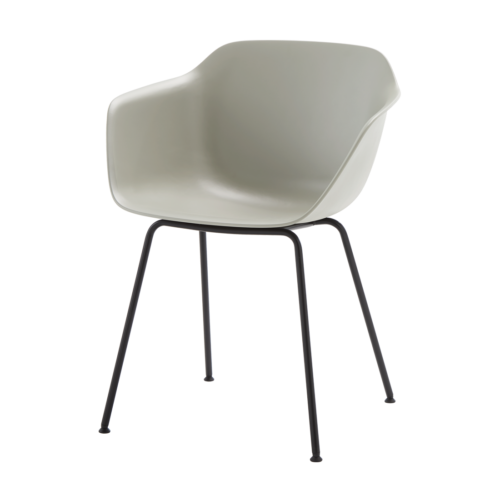
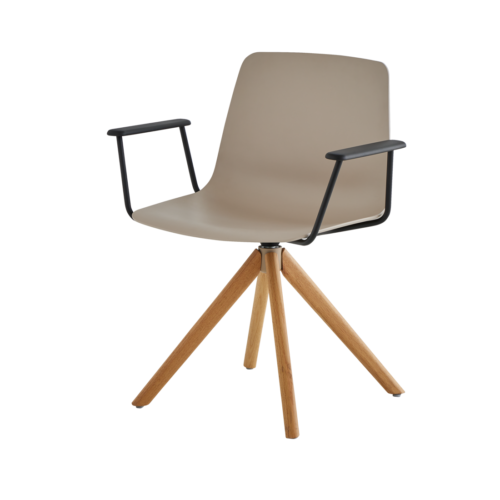
Lounge Furniture With Wood Bases and Aluminium Bases

lounge furniture with wood bases and aluminium bases brings together a wood base color and aluminium base material. The distinction matters when planning a lounge: the wood reference describes the color, while aluminium identifies the material of the base. Consider this combination where the lower part of the seating should relate to an established interior palette without assuming that the base itself is made from wood. Reception lounges, shared waiting areas and informal meeting spaces each offer different views of this detail.

Start with the surrounding floor, nearby architectural features and the position from which people will first see the seating. A wood-colored base can appear quite different against a light floor than against a darker background. Compare the visible base shape alongside its color, then review how the complete seating outline fits the arrangement. This keeps the decision focused on the relationship between appearance, material and placement.

3 models
From €16.85 p/m
3 models
From €15.62 p/m
3 models
From €195.05 p/m
5 models
From €97.52 p/m
6 models
From €15.37 p/m
2 models
From €19.41 p/m
17 models
From €4.61 p/m
12 models
From €9.08 p/m
5 models
From €9.98 p/m
7 models
From €10.39 p/m
39 models
From €5.39 p/m
21 models
From €15.97 p/m
20 models
From €9.70 p/m
27 models
From €4.57 p/m
7 models
From €35.59 p/m
4 models
From €32.68 p/m
8 models
From €10.66 p/m
4 models
From €26.12 p/m
6 models
From €11.79 p/m
2 models
From €12.12 p/m
6 models
From €16.13 p/m
3 models
From €12.24 p/m
4 models
From €27.18 p/m

Planning Lounge Furniture With Wood Bases and Aluminium Bases

Begin by deciding how much attention the base should receive. In an open seating group, it may be visible from several directions. Along a wall, the front view may carry more weight. The wood color and aluminium material belong to the same base decision, so assess them together rather than imagining separate wooden and aluminium elements. Establish the main approach to the lounge, then review the base from that direction. A detail that looks restrained in isolation may become more noticeable when repeated across a seating arrangement.

Relate the Color to Its Surroundings

Use the room's existing colors as reference points, especially those closest to the furniture. Compare the base color with the floor before considering more distant features. Decide if you want a close relationship or a deliberate difference; an approximate match can be less convincing than a clear distinction. Review samples or physical examples under the lighting intended for the lounge whenever possible. The term wood color does not establish a particular shade or pattern, so avoid making those details part of the design brief until they have been confirmed.

Assess the Complete Seating Outline

For lounge furniture with wood bases and aluminium bases, the amount of visible base affects how strongly the combination reads in the room. Examine the relationship between the base and the seating above it without assuming a particular construction. Consider front, side and rear views, particularly where people circulate around the group. Also review the space between neighboring pieces. The repeated rhythm of visible bases can influence the arrangement, even when each individual base seems visually minor. Use the full furniture outline when checking routes and the edges of the lounge zone.

Keep the Project Brief Precise

Describe the required base color and material separately in the project brief. This helps prevent a wood-colored aluminium base from being confused with a base made from wood. Record the intended visual relationship to the floor, the important viewing directions and any adjacent seating that must be coordinated. Compare actual examples against these points instead of relying on the color name alone. Where several lounge areas share a floor, decide whether the same base treatment should connect them or whether each zone needs its own visual identity.

Frequently Asked Questions

Does wood color mean the base is wooden?

No. For lounge furniture with wood bases and aluminium bases, the selected combination identifies wood as the base color and aluminium as the base material. Keep those two attributes distinct when describing the furniture.

Should the base match nearby interior colors exactly?

An exact match is not essential. Assess whether a close relationship or a deliberate difference better suits the room, then compare physical examples under the intended lighting before settling the palette.

Which views matter when comparing the bases?

Use the main entrance view first, then check the sides and rear wherever they remain visible. A lounge arranged away from walls needs a broader visual review than seating positioned along an edge.

Explore related selections