

Lounge Furniture With Wood Bases and Aluminum Bases

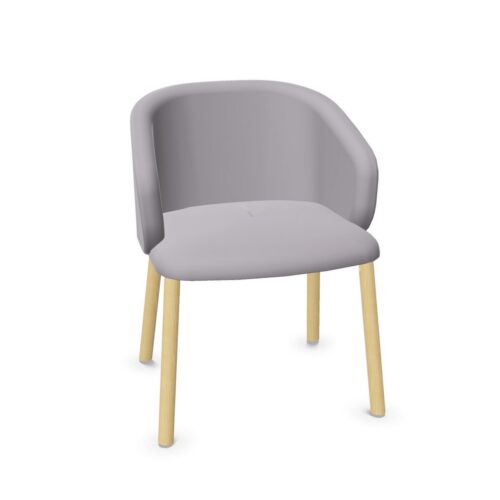
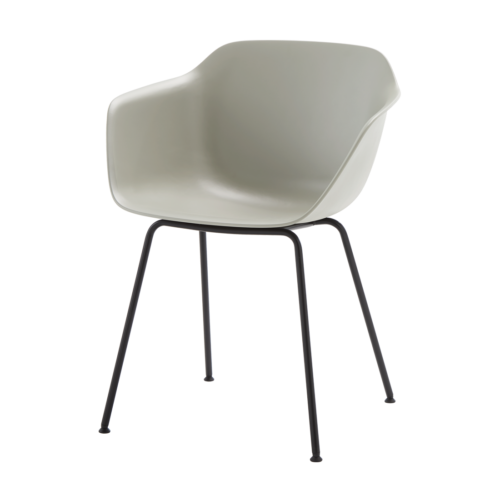
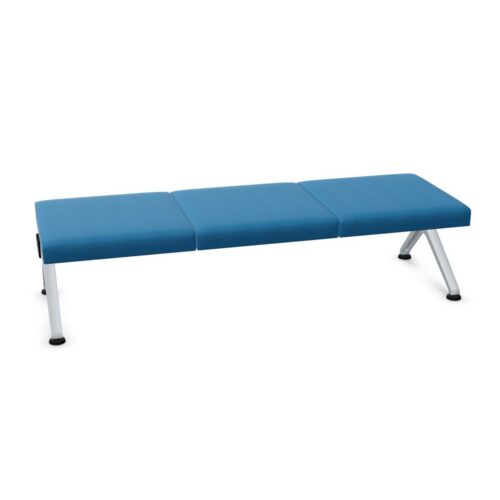
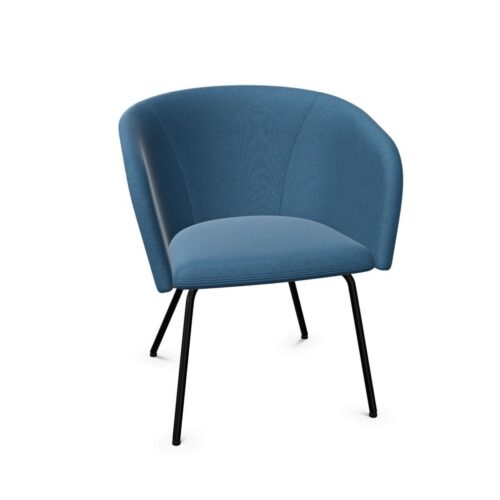
lounge furniture with wood bases and aluminum bases combines a wood-colored base appearance with aluminum as the base material. This makes the relationship between finish and form central to the planning process. In an open lounge, the visible base can connect separate seating pieces through color while still giving each piece a distinct outline. Evaluate that relationship from the main approaches to the space, particularly where seating is visible beyond the immediate conversation area.

Use the wood color as an appearance reference and review the aluminum base through the actual furniture design. Neither attribute establishes how prominent the base will look beneath a sofa or lounge chair. That depends on the complete silhouette and its setting. Comparing the seating against the intended floor and neighboring finishes helps establish whether the base supports the composition, attracts unnecessary attention, or needs a different relationship with the rest of the room.

3 models
From €15.62 p/m
5 models
From €10.11 p/m
6 models
From €15.37 p/m
17 models
From €4.61 p/m
39 models
From €5.39 p/m
20 models
From €9.70 p/m
27 models
From €4.57 p/m
14 models
From €12.42 p/m
79 models
From €31.57 p/m
4 models
From €3.10 p/m
3 models
From €14.06 p/m
8 models
From €10.66 p/m
4 models
From €26.12 p/m
6 models
From €9.39 p/m
7 models
From €8.63 p/m
6 models
From €16.13 p/m
€21.59 p/m
2 models
From €10.45 p/m
2 models
From €25.95 p/m
3 models
From €31.06 p/m

Viewing lounge furniture with wood bases and aluminum bases

Start the assessment from the routes that reveal the furniture most clearly. An approach from behind can place greater emphasis on a base than a direct view of the seat. In an open workplace lounge, several approaches may matter equally. Mark those viewpoints on the room plan and use them consistently during comparison. Review how the wood color appears beneath the seating and whether the base outline remains visually coherent as the viewing angle changes. This gives a fuller understanding of the combination than a single front-facing image can provide during the planning process.

Set a clear wood-color reference

Choose the surrounding finish that should guide the wood color, then establish how closely the seating should relate to it. Exact matching, a related tone, and deliberate tonal separation are different design intentions. Decide which applies before evaluating individual pieces. Review representative samples together under the lighting expected in the lounge. Pay attention to undertones and any visible pattern without assuming a specific finish process. Aluminum identifies the base material; the wood-colored appearance still needs its own visual assessment. Document both clearly so that color discussions remain consistent across the project team.

Judge the complete seating silhouette

When comparing lounge furniture with wood bases and aluminum bases, consider the visual balance between the base and the body of the furniture. A more noticeable outline can become an organizing detail across a seating group, while a quieter outline can leave greater emphasis on the seating above it. Establish which effect suits the room. Compare sofas and lounge chairs at the same stage of review, since a base can read differently beneath different forms. The goal is a coordinated composition in which differences have a clear purpose and repeated details support the arrangement.

Resolve relationships at adjoining spaces

A lounge often shares views with reception, meeting rooms, or circulation areas. Review the wood-colored bases within those wider views as well as inside the seating group. Decide whether they should continue an existing visual language or mark the lounge as a distinct setting. Avoid making every surrounding detail match automatically. Instead, identify a limited set of relationships that matter, such as a recurring tone or comparable visual emphasis. Capture these decisions in a short finish brief with representative views. That brief helps resolve later questions without reopening the entire design direction each time.

Frequently asked questions

Should aluminum be assumed to look metallic?

Base material alone does not establish the visible finish. Here, review the wood-colored appearance directly and confirm how it is expressed on the actual aluminum base.

Why review the seating from behind?

Open lounge arrangements often expose the back and sides of furniture. Those views can make the base more noticeable and reveal relationships that a front view leaves unclear.

How can different seating forms remain coordinated?

Use a clear wood-color reference when assessing lounge furniture with wood bases and aluminum bases. Then compare the prominence and outline of each base within the complete seating group.

Explore related selections