



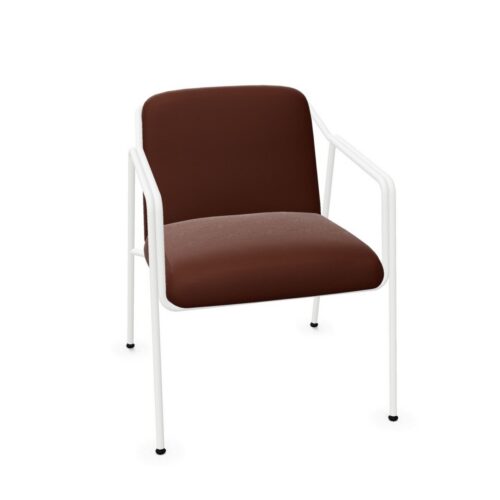


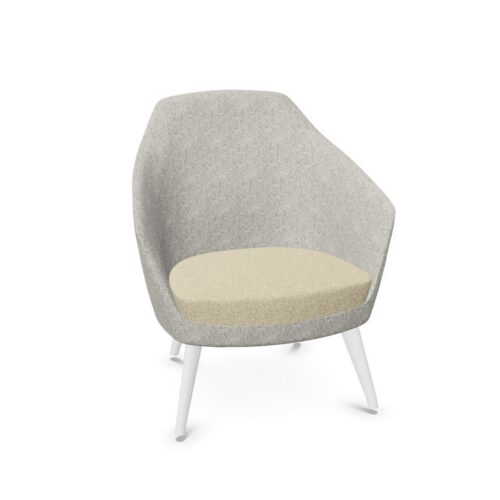
Coordinating lounge furniture with wood bases and metal bases
Begin with the role of wood color in the wider interior. It might connect the lounge with adjacent rooms, repeat an established finish, or introduce a distinct reference within a shared area. Identify that purpose before comparing individual seating pieces. Then examine the metal base as a visible form: its outline, the placement of its supports, and how much of it remains exposed. These observations help you decide whether the base reinforces the intended composition. They also keep the evaluation specific to the complete piece rather than a color reference considered on its own.
Separate appearance from material
Record wood color and metal material as separate requirements in the project brief. This makes discussions more precise and prevents an appearance preference from becoming an unsupported construction assumption. Compare representative finish samples under the room's intended lighting, paying attention to undertone and consistency between visible sections. If a woodlike pattern is present, review its scale and direction as part of the appearance. Do not assume every wood-colored base expresses that detail in the same way. The relevant question is whether the actual finish relates coherently to the rest of the lounge.
