



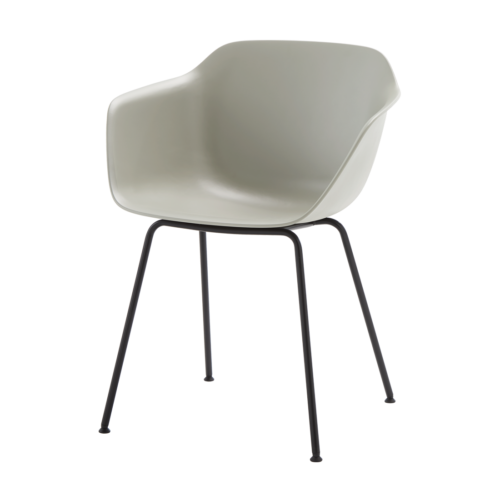


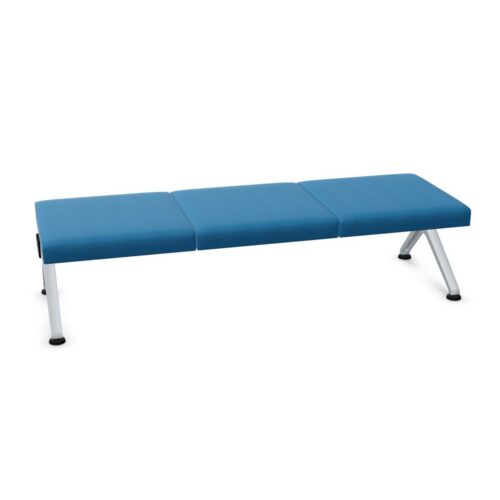


Coordinating lounge furniture with wood bases and plastic upholstery
Read the wood base designation as a color direction for this combination. It does not establish a particular material, grain, or finish. Begin by assessing the visible tone and how it relates to the room, keeping any questions about the actual base construction separate from the color comparison.
Decide whether the bases should continue an existing tonal relationship or provide contrast. A deliberate difference can be considered alongside a close match, provided the result fits the overall scheme. Avoid assuming that every wood-toned element will coordinate automatically. Review the actual appearances together before making the bases part of a wider interior palette.
Give the plastic upholstery a defined visual role
For lounge furniture with wood bases and plastic upholstery, assess the upholstery color alongside the bases from the outset. Decide whether it should connect with the larger room surfaces, provide contrast, or make the complete seat a distinct element within the lounge. The material choice alone does not settle that question.
Compare the whole piece against the floor and neighboring furniture under the intended lighting. Pay attention to whether the upholstery and bases appear balanced from the main approach, rather than judging them only at close range. Include the views behind and beside the seating where those form part of everyday movement through the space.
