

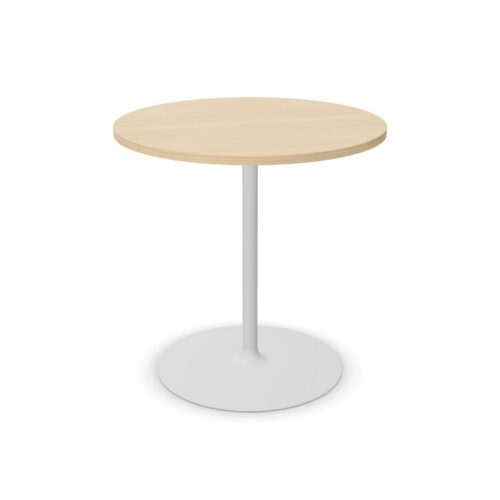
Lounge Furniture With Aluminum Bases and Beige Surfaces

lounge furniture with aluminum bases and beige surfaces provides a clear starting point for reception lounges where surface color and base construction both matter to the interior plan. Beige establishes the color direction, while aluminum identifies the base material. Evaluate those attributes separately before considering their combined appearance: the beige tone should relate to the surrounding room, and the visible base should suit the intended furniture arrangement.

This combination deserves particular attention where a lounge connects an entrance, meeting rooms, and shared circulation. Rather than repeating beige throughout the space, decide which neighboring elements should match and which should provide contrast. Compare the furniture from the entrance and from seated viewpoints, noting how much of the base remains visible. A coordinated result depends on the relationship between surface area, base outline, surrounding colors, and placement, rather than on the color name alone.


Planning lounge furniture with aluminum bases and beige surfaces

Start with the role of the lounge within the wider reception area. A waiting group beside a visitor route needs a different arrangement from a conversation area set farther inside the room. Mark the approach, the route onward, and the positions from which people will first see the furniture. Then assess how the beige surfaces and aluminum bases appear together within that arrangement. Keep the furniture group visually connected without allowing its edges to interrupt circulation. Reviewing the whole group helps reveal whether individual base outlines create a consistent composition or introduce an unintended mixture of shapes.

Resolve Beige Undertones Against Existing Colors

Compare lounge furniture with aluminum bases and beige surfaces against the actual colors already present in the room. Beige can vary in apparent warmth, depth, and relation to neighboring colors, so a color name alone is insufficient for coordination. Examine representative samples under the lighting intended for the lounge, including daylight where relevant. Decide whether the surface should sit close to the wall color or remain clearly distinguishable from it. If several beige elements will share the room, compare them together. Small differences can become more noticeable when similar colors occupy adjacent areas rather than separate parts of the interior.

Assess the Base as a Visible Element

With lounge furniture with aluminum bases and beige surfaces, the base deserves its own visual review. Aluminum construction does not establish a particular base color, outline, or finish. Check those details directly and consider how they relate to nearby furniture. A base that is discreet from the entrance may become prominent when viewed across the lounge. Review side views as well as the main presentation view, especially where visitors can approach from several directions. Judge the relationship between the beige surface and the exposed base rather than assuming that the material name determines the finished appearance.

Coordinate the Group Without Matching Everything

Use lounge furniture with aluminum bases and beige surfaces as one part of a room palette, with a clear decision about what should repeat. You might carry the beige direction across the seating group while allowing neighboring furniture to differ in color. Alternatively, repeat a base color elsewhere if that relationship is visible and intentional. Avoid requiring every element to share both attributes. Record the desired surface tone, visible base appearance, and placement priorities separately so that comparisons remain precise. Before settling the arrangement, review the group against the entrance backdrop and the surfaces immediately beside it.

Frequently Asked Questions

Should beige lounge surfaces match the reception walls?

Only if a close color relationship supports the room plan. Compare them side by side first. A deliberate difference can make the furniture outline easier to distinguish than an approximate match.

Does an aluminum base determine its visible color?

No. Assess the actual base color and finish separately from the material. Include views from the approach and from within the lounge, where more of the base may be visible.

How should several beige furniture pieces be compared?

Review representative samples together under the same lighting. Consider their relative surface areas and positions, because colors that seem similar individually may look different when placed beside one another.

Explore related selections