

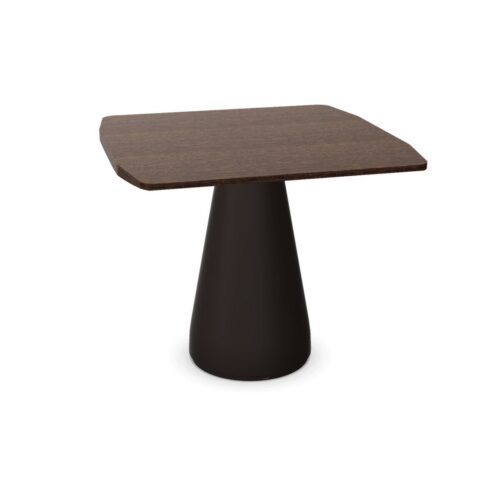
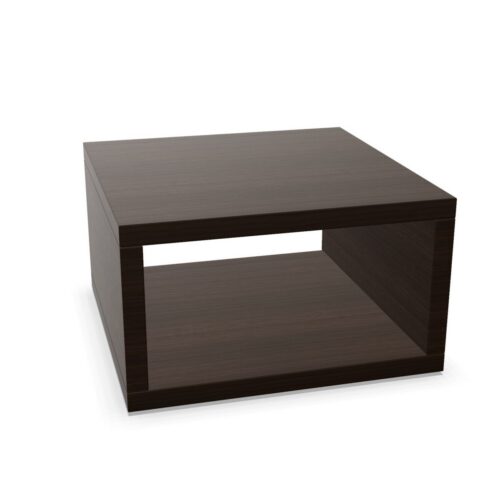
Lounge Furniture With Melamine Bases and Beige Surfaces

lounge furniture with melamine bases and beige surfaces pairs a specific base material with a surface color that needs careful coordination in pale workplace interiors. The useful starting point is the relationship between beige and the finishes immediately around the furniture. Decide whether the seating should sit closely within the existing palette or remain visibly distinct from its background. Review the melamine base independently, since its material does not establish its color or appearance.

In reception and shared lounges, assess the whole seating group before focusing on individual pieces. Compare the beige surface against the floor, walls, and neighboring furniture, including the view from the main entrance. Then examine how the base contributes to the lower outline. This gives the combination a clear place within the room scheme and supports a more precise comparison than considering beige as a general neutral color.

2 models
From €11.99 p/m
4 models
From €35.51 p/m
3 models
From €18.78 p/m
4 models
From €19.95 p/m
2 models
From €9.68 p/m
€4.14 p/m
2 models
From €33.60 p/m
9 models
From €13.65 p/m
2 models
From €32.94 p/m
7 models
From €6.40 p/m

Planning Lounge Furniture With Melamine Bases and Beige Surfaces

Begin with the intended degree of visual separation from the room. Beige surfaces can be compared for a close relationship with pale surroundings or for a more noticeable distinction. Establish which result the project needs before reviewing the furniture against its proposed background.

Consider the entire approach to the seating area. The furniture may be seen against several different elements as people move through reception or a shared lounge. Include those views in the assessment so the chosen relationship remains intentional beyond a single position directly in front of the group.

Compare Beige With Adjacent Pale Colors

Lounge furniture with melamine bases and beige surfaces should be assessed alongside the finishes it will directly adjoin. Similar pale colors require a shared review because their differences become part of the composition. Decide whether those differences are desirable within the intended workplace palette.

Use the room's normal lighting as the reference, including relevant daylight conditions. Compare the surface color with the background at the same time rather than approving them separately. Record whether the intended relationship is a close tonal connection or a clear contrast, giving subsequent design decisions a consistent basis.

Define Seating Groups Within a Restrained Palette

When arranging lounge furniture with melamine bases and beige surfaces, use the layout to make each seating group understandable. Position and orientation should explain the relationship between pieces, particularly where the surrounding room uses similarly pale colors. Assess the overall group before adjusting individual details.

Review the spaces between groups and the routes leading to them. Decide which settings should feel visually connected and which need clearer separation within the plan. Coordinate the base and surface relationships accordingly, while keeping established circulation routes clear and the approach to each seating area straightforward to follow.

Use the Base to Complete the Composition

Melamine identifies the selected base material, while its actual visible appearance requires separate assessment. Compare the base with the beige surface above it and the floor beneath it. Review how these three elements meet visually before deciding whether their relationship suits the overall scheme.

The base may be more apparent from some viewpoints than others, depending on the furniture's form and arrangement. Include standing approaches and nearby seated views in the comparison. If the base is intended to connect with existing furniture, check that relationship directly rather than assuming that a shared material description guarantees coordination.

Frequently Asked Questions

How should beige relate to other pale finishes?

Compare them together under the intended lighting and decide whether a close tonal relationship or a visible difference suits the room. Include the floor and background in the assessment, since each affects the complete composition around the furniture.

Can the base introduce a distinct visual element?

Its role depends on its actual appearance. Assess the selected melamine base alongside the beige surface and floor, then decide whether it should form a separate visual component or remain closely related to the surrounding palette.

What helps separate neighboring beige seating groups?

For lounge furniture with melamine bases and beige surfaces, use position, orientation, and the space between groups to clarify the arrangement. Review the result from the main approach so each setting has a clear place within the shared room.

Explore related selections