

Lounge Furniture With Metal Bases and Beige Surfaces

lounge furniture with metal bases and beige surfaces combines a pale surface color with a defined base material for reception lounges and shared seating areas. The planning challenge is often to give the furniture a clear place within an interior where several surrounding colors are also light. Beige needs to be assessed beside the actual wall and floor colors, while the metal base needs a separate review of its visible finish and outline.

Compare lounge furniture with metal bases and beige surfaces by asking how much visual separation the seating requires. A group intended to mark the waiting area may need a more distinct relationship with its background than seating within a continuous open lounge. Consider the view from the entrance and the neighboring workspace. Establishing that visual role early makes it easier to judge the complete arrangement and avoid relying on the surface color name alone.

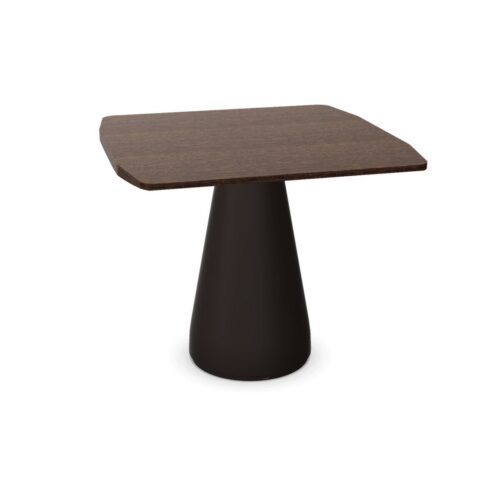
3 models
From €2.38 p/m
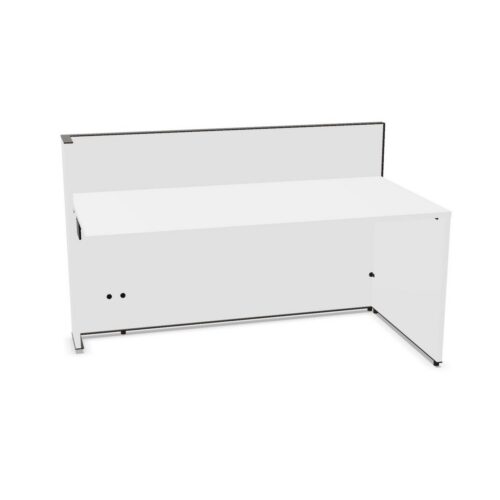
2 models
From €11.99 p/m
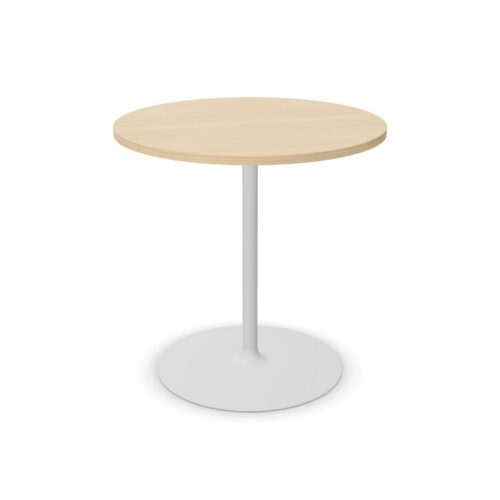
3 models
From €18.78 p/m
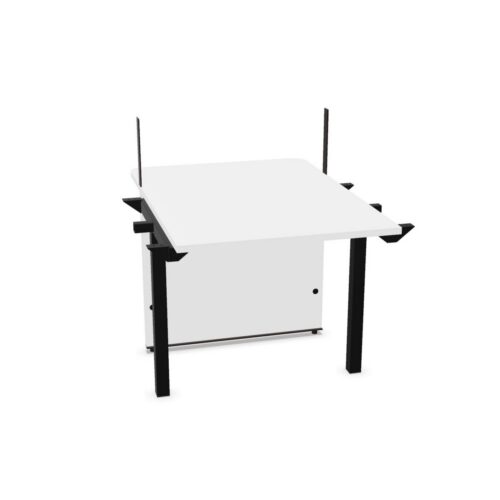
5 models
From €45.63 p/m
2 models
From €37.52 p/m
2 models
From €12.40 p/m
2 models
From €27.04 p/m
€5.35 p/m
2 models
From €1.68 p/m
3 models
From €5.35 p/m

Defining lounge furniture with metal bases and beige surfaces

Begin by deciding where the seating should be clearly outlined and where it should relate more closely to the room. Beige surfaces beside pale walls can create a different composition from the same surfaces against a deeper background. Review the outline from the main entrance, including any overlap between neighboring pieces. With lounge furniture with metal bases and beige surfaces, the base is also part of that reading. Its actual finish may strengthen or reduce the distinction between furniture and floor, so assess the whole piece before deciding whether the setting has sufficient visual definition.

Compare neighboring pale colors directly

Beige should not be treated as an automatic match for every light interior. Place the intended surface reference beside the surrounding colors and observe how they relate under the room lighting. A combination that looks closely coordinated in isolation may appear more differentiated when seen across a larger room. Include the colors visible beyond the immediate seating area, particularly where the lounge opens into a reception or shared workspace. Decide which relationships matter most to the overall composition, then use those as consistent comparison points when reviewing different seating arrangements and finish combinations.

Give each lounge area an identifiable role

In an interior with several pale seating groups, position and orientation become especially useful for distinguishing their purposes. Establish which group welcomes visitors and which supports informal conversation among colleagues. Make their approach routes clear and consider how people recognize the group intended for them. Lounge furniture with metal bases and beige surfaces can share a visual language across these areas, while the layout explains their different roles. Review the arrangement with the surrounding furniture included. A color decision should support the overall room plan rather than carry the full responsibility for defining each zone.

Review the junction between base and floor

The lower part of the furniture deserves attention when the main surface color is pale. Compare the actual metal base finish against the floor and look at the resulting outline from several angles. Metal alone does not establish a bright, dark, reflective, or muted appearance. Keep those questions open until the relevant finish is known. Then decide whether the base should be a noticeable visual element or remain closer to the surrounding colors. Apply that decision consistently across the seating group so that the relationship between upper surfaces and lower structure appears deliberate throughout the room.

Frequently asked questions

How can beige seating remain distinct against pale walls?

Review the actual color relationship, furniture outline, and placement together. A clear arrangement and deliberate background relationship can make the seating group identifiable without relying on a strong color difference alone.

Should the metal base match the surrounding furniture?

Establish which nearby elements it should relate to, then compare the actual finishes. The goal may be continuity or a visible distinction; the material name does not determine either outcome.

What matters most in an open reception lounge?

Give each seating group an understandable purpose and approach. With lounge furniture with metal bases and beige surfaces, use orientation and placement alongside color to distinguish waiting areas from other shared seating settings.

Explore related selections