

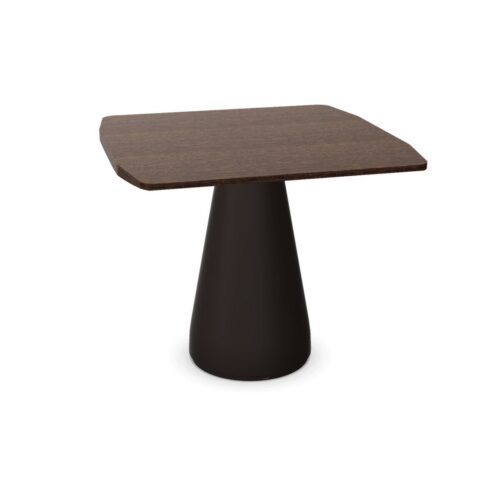
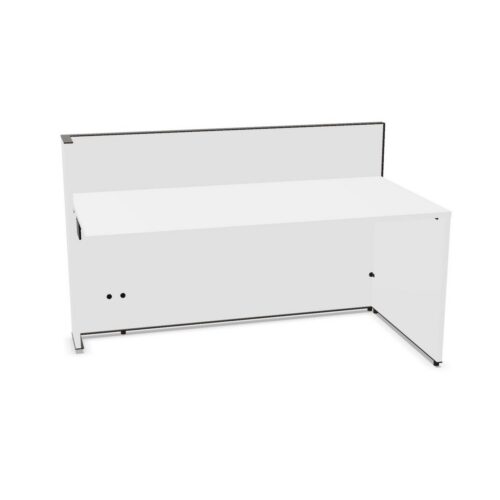
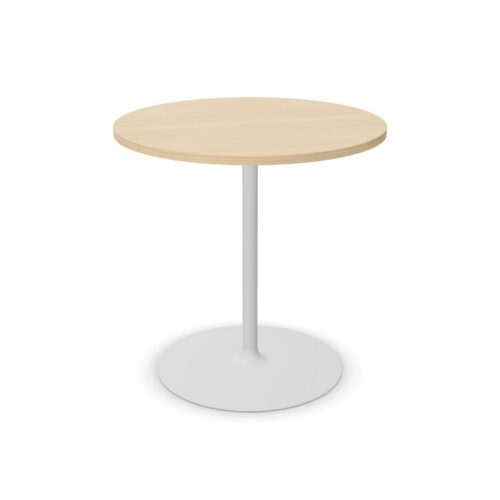
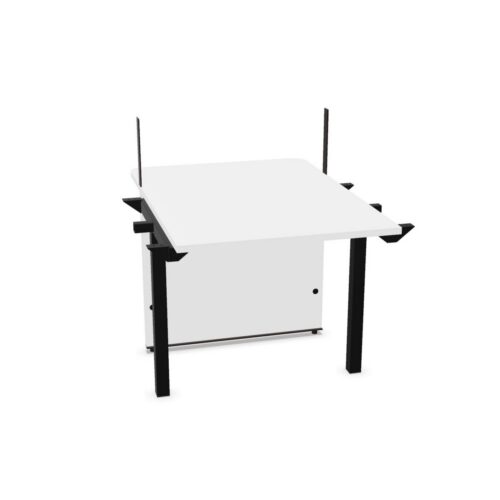
Lounge Furniture With Metal Bases and Black Surfaces

lounge furniture with metal bases and black surfaces establishes a dark surface color alongside a separately defined structural material. In a workplace lounge, that pairing calls for careful attention to visual weight, background contrast, and the way seating groups relate to open space. Black surfaces may become prominent against a pale interior or merge more closely with darker surroundings. The metal base can influence the overall outline, but its material does not determine its color or finish.

Assess lounge furniture with metal bases and black surfaces as part of the whole room composition. Consider how much dark surface is visible from the entrance and whether several pieces read as separate seats or one continuous group. Use the intended arrangement to compare these effects. A clear planning brief should explain where the lounge needs a strong visual anchor and where circulation or neighboring areas need more visual separation.

18 models
From €27.49 p/m
6 models
From €28.06 p/m
2 models
From €11.99 p/m
2 models
From €30.05 p/m
3 models
From €18.78 p/m
5 models
From €45.63 p/m
2 models
From €37.52 p/m
2 models
From €12.40 p/m
2 models
From €19.27 p/m
2 models
From €27.04 p/m
€4.26 p/m

Balancing lounge furniture with metal bases and black surfaces

Map the dark areas already present before positioning the seating. Floors, walls, and neighboring furniture can change how much emphasis a black surface carries. A group placed against a light background may become the room's main visual anchor, while a similar group in a dark corner may have a less distinct outline. For lounge furniture with metal bases and black surfaces, compare both the overall silhouette and the separation between individual pieces. This helps establish whether the arrangement expresses the intended hierarchy without making every seating position appear equally prominent from the entrance.

Keep the seating boundary understandable

Consider how people recognize the edge of the lounge when approaching from adjoining areas. A continuous dark composition can define a zone, but the route into that zone still needs to be evident. Review openings between groups and the relationship between seating and nearby circulation. Avoid relying on surface color alone to communicate where people should walk or sit. The position and orientation of the furniture should carry that information. Examine the arrangement from each common approach, especially where visitors may first see the side or rear of the seating group.

Compare the base against both surface and floor

The metal base sits visually between the black surface and the floor, so review all three together. Do not assume that a metal base will provide a bright contrast or have a particular appearance. Its actual finish and outline need their own assessment. With lounge furniture with metal bases and black surfaces, look for the relationship that suits the room: a clearly expressed lower structure or a more visually unified piece. Use consistent viewing angles when comparing alternatives so that differences in presentation do not outweigh differences in the furniture itself.

Allocate dark surfaces across the room

Decide whether black belongs primarily in one main seating group or should recur in smaller groups throughout the lounge. Concentrating it in one place creates a different composition from distributing it across several locations. Consider adjacent meeting areas and reception positions before choosing an approach. An arrangement should remain coherent from the doorway, from within the group, and from the surrounding workspace. Ask reviewers to describe where their attention goes first. Their responses can help identify whether the dark surfaces support the planned room hierarchy or compete with another important point of focus.

Frequently asked questions

How can separate black seating pieces remain visually distinct?

Review the spacing, orientation, and background of each piece. Distinction depends on the complete composition. Compare the arrangement from the entrance and side approaches, where neighboring outlines may appear closer together.

Should the metal base contrast with the black surface?

That is a visual decision for the room. Establish the actual base finish first, then compare how a more distinct or more unified outline relates to the floor and surrounding furniture.

What is the priority in a dark reception interior?

Check the furniture boundaries and the route into the seating group. For lounge furniture with metal bases and black surfaces, evaluate whether the complete outline remains understandable against the intended walls and floor.

Explore related selections