

Lounge Furniture With Metal Bases and Brown Surfaces

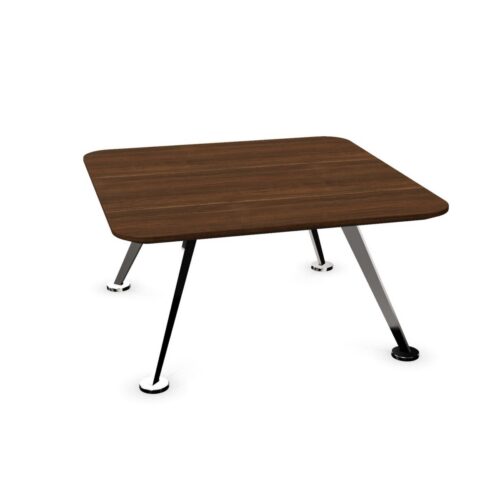
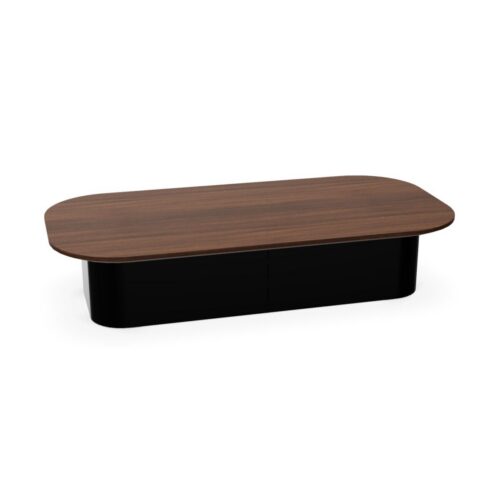
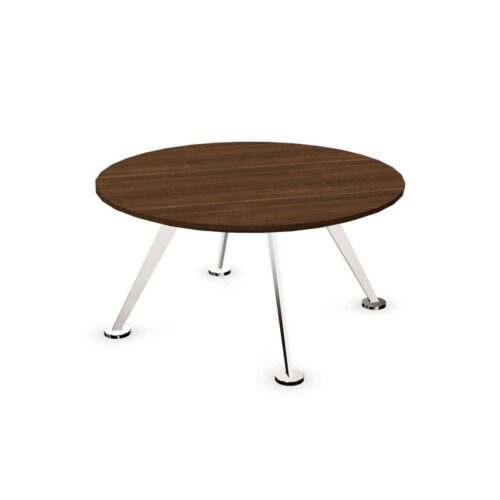
lounge furniture with metal bases and brown surfaces brings a brown surface color into a seating composition with a metal base. For workplace reception areas and shared lounges, the useful starting point is how that color relates to the existing interior. Brown can appear quite different beside pale walls, deeper floor colors, or strong accent colors. Assess the actual tone before deciding whether the seating should become a focal point or connect with its surroundings.

When considering lounge furniture with metal bases and brown surfaces, keep color and material decisions separate. A brown surface does not identify what that surface is made from, and a metal base does not specify its finish. Compare the visible relationship between the two parts, then look at the arrangement as a whole. This approach helps create a clear brief for seating that belongs within the room without relying on assumptions about appearance or construction.

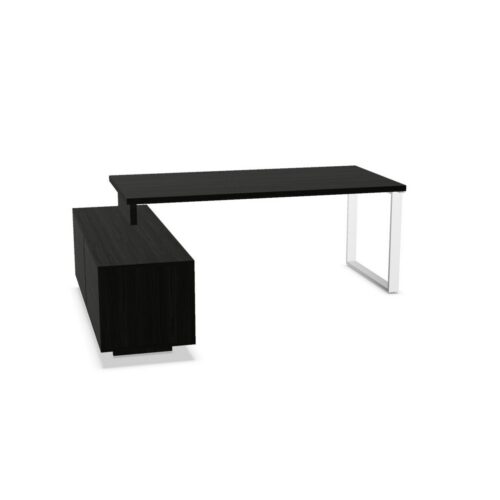
2 models
From €2.71 p/m
€19.65 p/m
€19.82 p/m
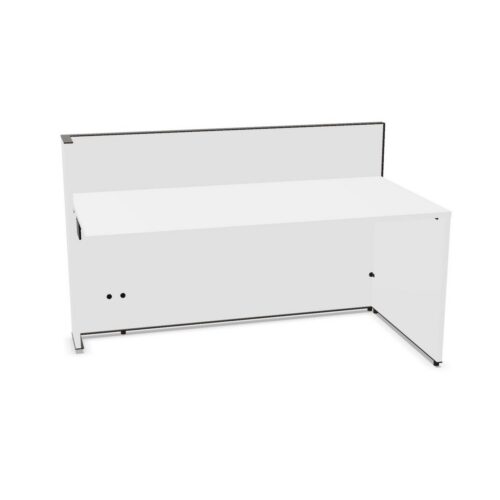
3 models
From €18.78 p/m
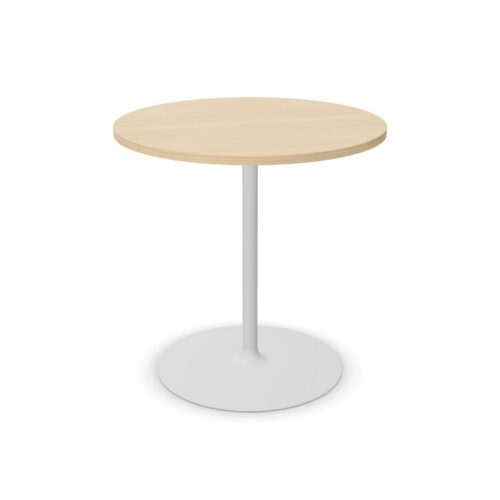
5 models
From €45.63 p/m
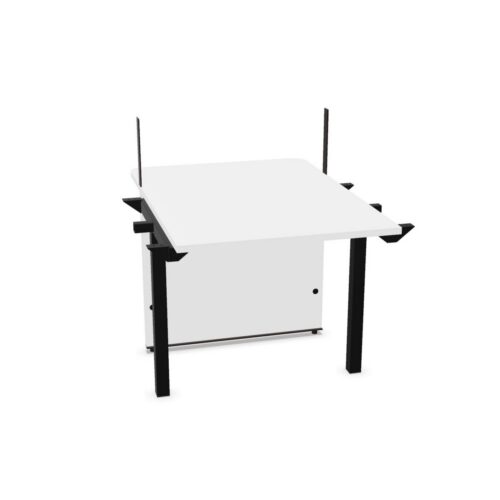
2 models
From €37.52 p/m
2 models
From €12.40 p/m
2 models
From €7.63 p/m
7 models
From €17.65 p/m
€22.10 p/m

Relating lounge furniture with metal bases and brown surfaces

Start by identifying which existing colors the brown surface should relate to. It may sit beside other brown tones, contrast with a pale background, or form part of a broader palette. Place the relevant references together and assess their relationship in the intended lighting. With lounge furniture with metal bases and brown surfaces, include the base finish in that review once it is established. A coherent composition depends on the relationship between the actual elements. Shared color descriptions alone cannot explain whether neighboring surfaces will look closely related or visibly different.

Separate a brown color from material assumptions

Brown describes the selected surface color, not its composition. Keep the planning discussion focused on the facts available and the appearance being assessed. This matters when several people are reviewing an interior, because one person may associate brown with a particular material while another imagines a different finish. Use actual surface references to resolve that ambiguity. Discuss whether the tone is suitable beside the walls and floor, how it appears across the visible furniture body, and whether it creates the intended relationship with nearby seating. Avoid substituting familiar associations for a direct visual comparison.

Decide how strongly to express the base

The visible metal base can become a distinct part of the furniture outline or read more closely with the seating body, depending on its actual appearance. Review how that lower structure sits between the brown surface and the floor. For lounge furniture with metal bases and brown surfaces, the most useful comparison considers all three elements together. Check the side view as well as the front, because the base may occupy a different proportion of the visible outline. Decide which relationship suits the room before giving preference to an isolated finish reference.

Build a seating group with a clear center

Brown seating can be arranged around a main conversation area or distributed across several smaller settings. Establish the intended social arrangement first: where people face, where they enter, and which seats belong to the same group. Then review how the repeated brown surfaces connect those positions visually. Avoid allowing color repetition to join areas that should have different roles. In a reception lounge, a clear grouping can help visitors understand where to settle, while a separate informal meeting arrangement may need its own orientation. Review the composition from both areas before confirming their relationship.

Frequently asked questions

Does a brown surface identify its material?

No. Brown is the selected surface color. Assess the surface composition separately when that information is available, and avoid treating the color as evidence of a particular material or finish.

How should brown seating relate to other brown finishes?

Compare the actual tones together. Decide if you want a close relationship or an evident difference, then check that choice under the room lighting and from the main viewing positions.

What should be reviewed when the floor is also dark?

Look at the full lower outline. For lounge furniture with metal bases and brown surfaces, establish how the surface, actual base finish, and floor remain visually related without assuming that the metal will provide contrast.

Explore related selections