

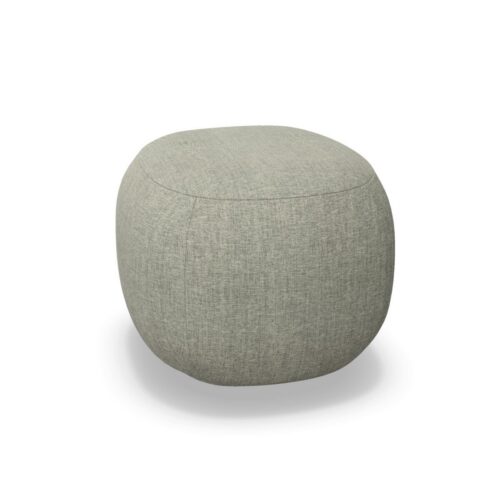


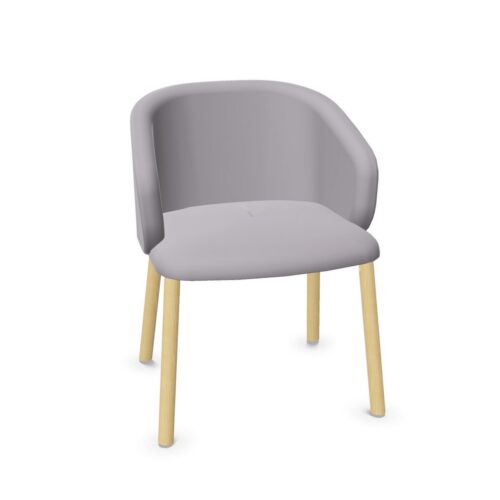
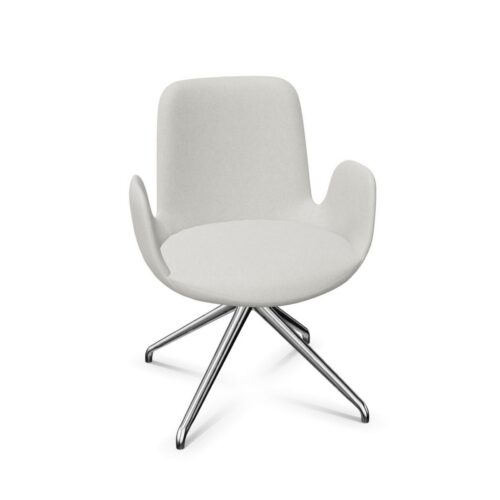
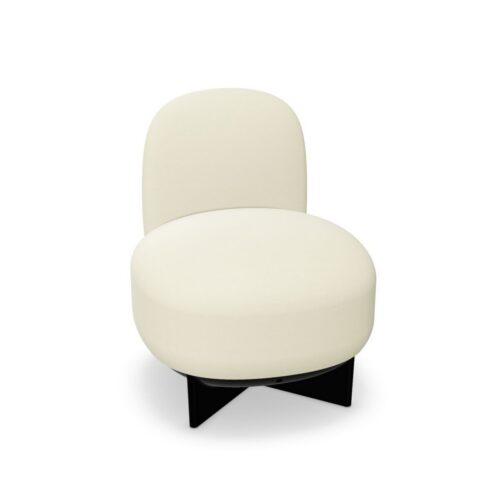
Lounge Furniture With Plastic Bases and Beige Upholstery

lounge furniture with plastic bases and beige upholstery provides a specific material and color combination for informal workplace lounges and reception seating. Plastic identifies the base material, while beige establishes the upholstery color. To develop a considered scheme, focus on the actual base shape, its visible finish and the way it meets the upholstered body. These details help determine the character of the group without relying on assumptions about the material’s appearance or properties.

Begin with the relationship between individual pieces. Decide whether the lounge should read as a closely coordinated group or as different seating forms linked through beige upholstery and plastic bases. Then assess the furniture against the intended floor and background colors. A useful comparison includes the view from the entrance, the sides along circulation routes and the view within the group. This approach connects material choice and color coordination to the way the room will actually be organized.

3 models
From €33.95 p/m
2 models
From €23.96 p/m
3 models
From €16.85 p/m
4 models
From €21.57 p/m
2 models
From €10.93 p/m
5 models
From €10.11 p/m
2 models
From €24.95 p/m
2 models
From €10.00 p/m
2 models
From €13.22 p/m

Composing lounge furniture with plastic bases and beige upholstery

Start with shape rather than assuming that the material establishes a particular style. Plastic bases can only be assessed accurately through the confirmed design of the furniture in question. Review the outline of the base, its visibility beneath the upholstery and its relationship with the complete seating form. Decide which of those characteristics should repeat across the lounge. A consistent design rule is particularly helpful when the room includes different seating shapes that need to belong together without appearing identical in every visible detail.

Set the Level of Visual Consistency

Identify the most important shared element in the group. It may be the beige tone, a similar base appearance or a comparable balance between upholstered body and exposed base. Compare these aspects together before concentrating on small differences. Where the intention is a closely coordinated setting, review the furniture from the main entrance to check whether the relationship is apparent at room scale. Where variation is intended, decide how much difference the scheme can accommodate while retaining a clear connection among its individual pieces.

Judge Beige Beside the Actual Base

Beige should be compared with the confirmed base color and finish, since plastic alone does not establish either. Consider whether those surfaces should form a close tonal relationship or a clearer contrast. When assessing lounge furniture with plastic bases and beige upholstery, include the surrounding floor in the comparison. The furniture meets that background visually at base level, making it an important part of the composition. Also review the beige beside the wall or other surface that will appear directly behind the upholstered body.

Organize an Informal Setting Clearly

An informal lounge still needs a clear arrangement. Decide whether its main purpose is conversation, waiting or a pause between workplace activities, then orient the seating accordingly. Review how someone enters the group and how the surrounding route continues past it. Check the appearance of the bases and beige upholstery from these approaches, including any prominent rear views. Keep the composition understandable through furniture placement, with the shared material and color reinforcing the arrangement. Record the intended relationships so later design decisions remain consistent with the room's purpose.

Frequently Asked Questions

Do plastic bases have a particular color?

The material designation does not establish a color or finish. For lounge furniture with plastic bases and beige upholstery, confirm the actual base appearance separately and compare it directly with the beige tone, the intended floor and the other main surfaces around the group.

Can different seating shapes form a coherent group?

Yes, if their relationship is deliberate. Identify which visible details should connect them, such as a shared beige tone or a closely related base profile. Assess the complete group from the entrance so that the connection is clear beyond the individual furniture details.

How should an informal lounge be arranged?

Use its main purpose to guide the seating orientation. A conversation setting needs a different relationship between seats than a waiting area facing reception. Establish how people approach and leave the group, then check that the layout makes those movements understandable within the wider room.

Explore related selections