



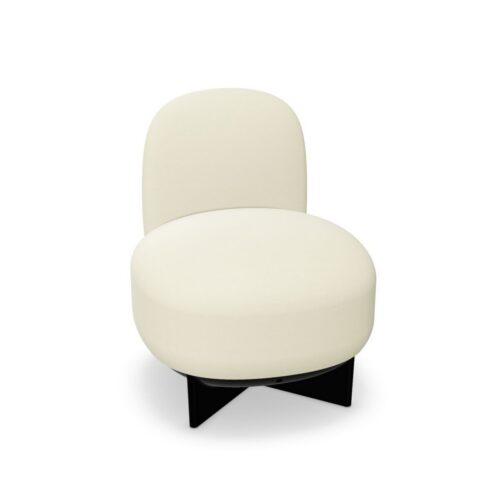
Lounge Furniture With Plastic Bases and Black Upholstery

lounge furniture with plastic bases and black upholstery offers a defined base material and upholstery color for a reception or workplace seating area. The combination should be evaluated through its complete outline: how the base meets the seat visually, how much of it remains visible and how its actual color relates to black. Plastic alone does not establish any of those design characteristics.

This makes the junction between base and upholstery a useful starting point for comparison. Examine the furniture from the approaches people will use, including any exposed side or rear views. Then decide whether the lounge should share a visual language with nearby furniture or have a separate identity. Keep material assumptions out of that decision. Confirm the base’s actual appearance and any operational requirements independently, while using the black upholstery as a clear color reference within the room.

3 models
From €33.95 p/m
2 models
From €23.96 p/m
2 models
From €10.93 p/m
5 models
From €10.11 p/m
2 models
From €24.95 p/m
2 models
From €10.00 p/m
2 models
From €13.22 p/m
5 models
From €15.52 p/m

Compare lounge furniture with plastic bases and black upholstery

Begin with the visible relationship between the base and the upholstered section. Look at where their outlines meet, whether the base is prominent from the front and what changes when the furniture is viewed from the side. A plastic base does not imply a particular form, color or surface appearance. Compare the complete shape before concentrating on individual details. In a lounge that opens onto a corridor, this review should include the view experienced by someone walking past, since that may reveal more of the base than the main seated viewpoint.

Give the base color a clear purpose

Black upholstery leaves the base color as a separate decision to verify. A base close in color to the seat creates a different visual relationship from one that contrasts with it. Neither approach is automatically preferable. Consider whether the base should contribute to the furniture's outline, connect it with nearby elements or remain visually secondary. Compare it against the floor as well as the upholstery. Record the actual color relationship in the room so that the material description does not become a substitute for assessing what people will see.

Plan for every exposed view

When lounge furniture with plastic bases and black upholstery sits in the middle of a space, the back and sides become part of the room's composition. Review those views before arranging the furniture around a central conversation area or along an open route. Check where different bases overlap visually and whether the grouping remains coherent when seen at an angle. Where furniture is positioned near a wall, assess the narrower set of views that will actually be encountered. Use the proposed location to determine which visual details deserve the most attention.

Keep practical questions specific

The base material and upholstery color do not establish suitability for every workplace activity. Define the expected use of the lounge and identify any operational questions that require confirmation. If furniture will be repositioned, establish its handling requirements; if care procedures matter, confirm the instructions for the complete piece. Do not infer these characteristics from plastic or black as labels. A clear brief separates the visual objective from practical requirements, allowing the team to assess both without making unsupported assumptions about the material or the upholstery.

Frequently asked questions

Does a plastic base establish a casual appearance?

No. The appearance of lounge furniture with plastic bases and black upholstery depends on the actual shape, color and relationship between its parts. Assess those features within the intended room. The base material alone does not establish whether the furniture suits a formal reception setting or another lounge context.

How should a contrasting base be assessed?

Compare it against both the black upholstery and the floor. Then look at the complete grouping from the entrance and side approaches. A contrast should have an intentional role, such as making the base outline visible or connecting the seating with another established room color.

What matters most in an open lounge layout?

Review side and rear views, the relationships between neighboring seats and the routes around the grouping. Include the base in every view. Furniture positioned away from a wall forms part of the room from several directions, so a front view alone provides an incomplete assessment.

Explore related selections