



Lounge Furniture With Plastic Bases and Green Upholstery

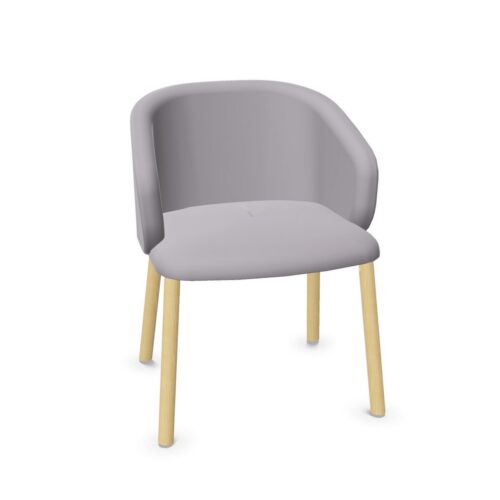
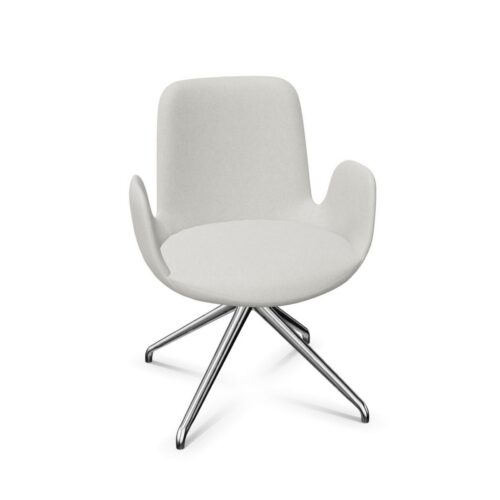
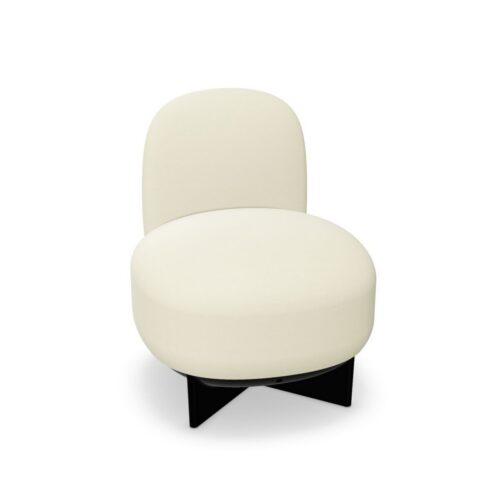
lounge furniture with plastic bases and green upholstery gives shared seating areas a defined combination to develop through color, form and placement. Green establishes the upholstered element, while the plastic base contributes its own visible shape and finish. Consider the complete pairing when planning a workplace common area, an informal meeting setting or a lounge beside other shared facilities, with each arrangement organized around its intended activity.

The most useful comparison is between complete furniture forms within the proposed room. Look at how much green is visible, how clearly the base appears against the floor and how the two elements relate to nearby furnishings. The selected base material does not determine those relationships by itself. Review the intended finish and overall profile before extending the palette across the space, then use orientation and clear approaches to give the seating group a recognizable place in the room.

2 models
From €10.93 p/m
5 models
From €10.11 p/m
2 models
From €24.95 p/m
2 models
From €10.00 p/m
2 models
From €13.22 p/m
5 models
From €15.52 p/m

Consider the Whole Furniture Outline

Begin with the complete profile rather than treating the green upholstery and plastic base as separate decisions. The visible area of each affects the balance of the furniture within the room. Examine the pairing from the front, from the side and from the routes that pass behind the group. Confirm the intended base finish before coordinating adjacent pieces. Then assess how the furniture outline relates to the background. A base that is clearly visible against the floor will play a different compositional role from one that is less noticeable, even when the upholstery reference remains the same.

Balance Lounge Furniture With Plastic Bases and Green Upholstery

Decide how strongly green should define the shared area. It can become the principal seating color or sit within a broader palette already established by the room. Compare the actual upholstery reference with the base and surrounding finishes under normal lighting. Pay attention to repetition across the arrangement: several visible green surfaces can establish a stronger presence than a sample suggests on its own. Review the base profiles at the same time. The intended balance should remain clear across the group, with each element contributing to a coherent composition rather than being approved in isolation from the room.

Organize the Space Around Its Users

A setting for lounge furniture with plastic bases and green upholstery should make its intended interaction clear. Decide whether people will gather for informal discussion, wait briefly between activities or use the area as a shared meeting point. Arrange the seating around that purpose and check the routes used by people who are simply passing. Review the approach to each position without assuming that every user enters from the same direction. The furniture's green surfaces can identify the group visually, while orientation explains how it is used. Confirm both relationships before adding surrounding objects that might obscure the arrangement.

Connect the Lounge to Neighboring Areas

Shared spaces often sit beside other workplace activities, so review the lounge from beyond its immediate boundary. Look at the colors and furniture outlines visible from adjoining areas. Decide which visual relationships should continue and where the green seating should mark a distinct setting. Use the surrounding floor and wall finishes as part of that comparison. If the plastic bases are prominent from an adjacent route, include them in the wider composition. A clear edge to the arrangement helps explain where the lounge begins, while an understandable approach allows the area to remain connected to the rest of the workplace.

Questions About Shared Seating Areas

Does a plastic base establish a particular appearance?

The intended finish and visible profile need to be confirmed separately. Compare the complete furniture with the green upholstery and actual room finishes. This gives a clearer basis for planning than making assumptions from the base material alone.

How can the green avoid dominating the room?

With lounge furniture with plastic bases and green upholstery, review the amount of visible green across the whole group. Compare that area with the surrounding palette, then decide where additional color repetition contributes to the intended balance.

What should define the edge of a shared lounge?

Use seating orientation and a clear relationship to nearby routes to establish the group's boundary. Check the furniture from neighboring areas as well as from within, so the lounge reads as a distinct setting with an understandable point of approach.

Explore related selections