



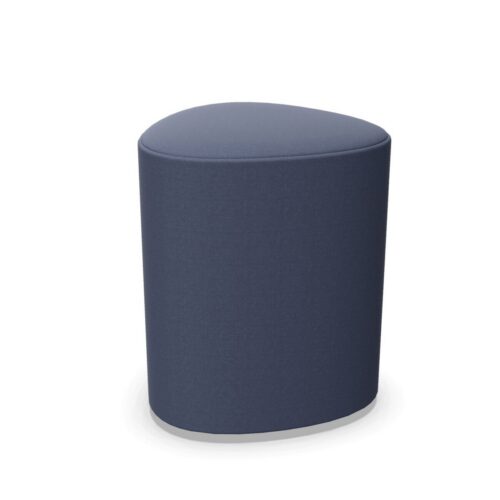

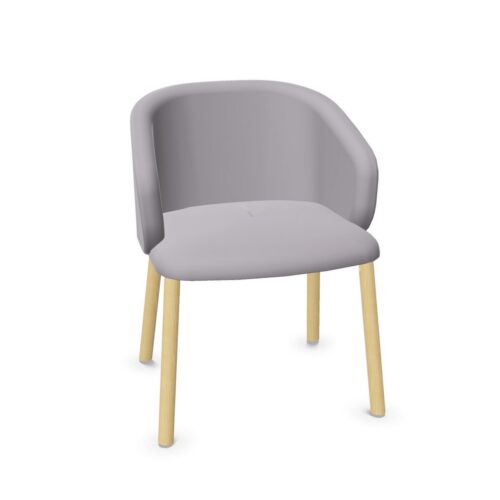


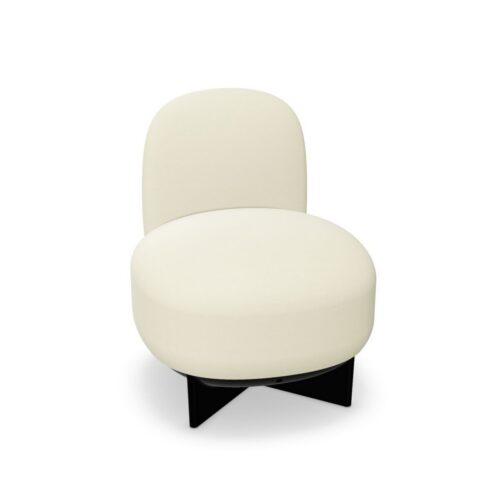


Compare Lounge Furniture With Plastic Bases and Yellow Upholstery
Begin with the complete furniture outline. Look at the transition from yellow upholstery to the visible base and then to the floor. This sequence helps establish whether the base reads as a distinct part of the composition or as a smaller detail beneath the upholstered form.
Judge that relationship within the room rather than assigning a visual character to plastic as a material. The selected material alone does not explain the base's shape or appearance. Compare those observable details directly and decide how they support the intended lounge setting, including its relationship to nearby work areas and circulation.
Match the Arrangement to the Activity
For lounge furniture with plastic bases and yellow upholstery, clarify whether the space supports informal conversation, breaks, or visitor waiting. Arrange the seating around that purpose before deciding how the yellow should be distributed. A visually unified group still needs an obvious connection to the activity around it.
In a break area, review the transition from surrounding workplace routes into the seating. In a visitor lounge, check the relationship to reception. In a conversation setting, consider how the seating faces inward while remaining easy to approach. These distinctions provide useful comparison criteria without relying on assumed characteristics of the base material.
