


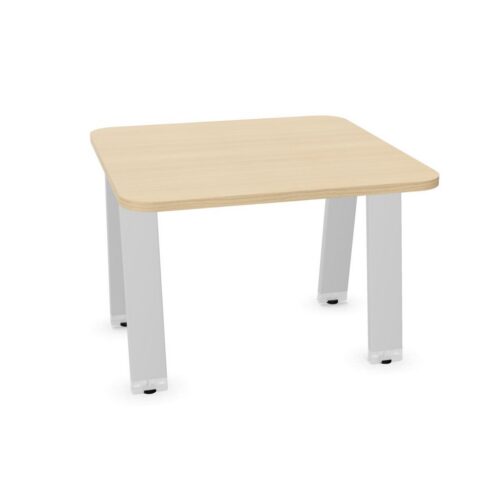
Lounge Furniture With Steel Bases and Black Surfaces

lounge furniture with steel bases and black surfaces suits a planning brief centered on silhouette, contrast, and the visual definition of a seating group. Black may establish a clear outline against pale surroundings or sit closer to a dark background. The effect depends on the room and the furniture’s shape. Steel specifies the base material without determining its visible color, so the relationship between the base and black surface needs its own assessment.

Consider the lounge from the main approach before examining individual details. Decide whether the group should anchor the composition, mark a destination, or connect with other dark elements already present. Then compare the amount of black visible across the arrangement. Broad areas and smaller details have different visual consequences. Keeping those proportions in view helps establish a coherent group while preserving a clear relationship with entrances, neighboring furniture, and the room’s main focal points.

3 models
From €19.33 p/m
18 models
From €27.49 p/m
6 models
From €28.06 p/m
2 models
From €9.47 p/m
2 models
From €9.33 p/m
€19.45 p/m
€19.65 p/m
4 models
From €6.14 p/m
3 models
From €2.38 p/m
2 models
From €41.43 p/m
2 models
From €31.65 p/m
5 models
From €21.48 p/m
€12.65 p/m
€6.38 p/m
4 models
From €35.51 p/m

Defining lounge furniture with steel bases and black surfaces

Start with the furniture's outline against its intended background. In front of a pale wall, the black surface may create a pronounced shape; against a dark wall, parts of that shape may be less distinct. Neither relationship is automatically preferable. Choose the effect that supports the lounge's role within the room. A group intended as a destination may benefit from a clearly readable outline, while a peripheral setting may call for a closer tonal connection. Review the complete group, because several dark forms together can read differently from an individual piece considered alone.

Balance dark areas across the room

Map the existing dark elements visible from the lounge and its approaches. Their placement will influence whether the black surfaces feel integrated or isolated. Look for an intentional distribution rather than an equal amount of black in every direction. A stronger concentration around the seating can define a zone, while repetition elsewhere can connect it to neighboring areas. Check that the lounge does not unintentionally compete with the room's main destination. Consider the surfaces visible from standing and seated positions, since the apparent balance of dark areas can change between those viewpoints.

Use orientation to clarify the lounge

Once the tonal balance is established, organize the furniture around how people approach and use the area. Identify the opening into the seating group and ensure its orientation makes that entrance apparent. In a setting with several dark elements, avoid relying on color alone to distinguish individual zones. The direction of seating and the relationship between pieces should explain the arrangement. Review the group from adjoining work areas as well as from circulation routes. This helps establish whether the lounge reads as a coherent place for conversation or waiting within the wider interior.

Review the junction between surface and base

Comparing lounge furniture with steel bases and black surfaces requires a separate look at the base. A steel base is not necessarily black, silver, or visually prominent. Examine its actual appearance and how clearly it separates from the surface above it. A strong visual distinction introduces another line into the composition; a closer tonal relationship may emphasize the overall silhouette. Consider which treatment relates more clearly to neighboring furniture. Look at the points where components meet, particularly from the entrance view, and assess whether those details support the intended character of the group.

Frequently asked questions

Can black surfaces work against a dark background?

Yes, when a close tonal relationship is intentional. Examine whether the furniture outline remains sufficiently clear for the room plan. Base appearance and the orientation of the group may become more visually significant when surface and background are similar.

Should the steel base also be black?

That is a separate visual decision. The steel designation does not establish its color. Compare the actual base against the black surface and neighboring furniture, then decide whether continuity or a visible distinction better supports the composition.

How can a black seating group connect to adjoining areas?

For lounge furniture with steel bases and black surfaces, look for existing dark elements along shared sightlines. Use their positions to judge the relationship, while keeping the lounge's entrance and arrangement clear through furniture placement.

Explore related selections