



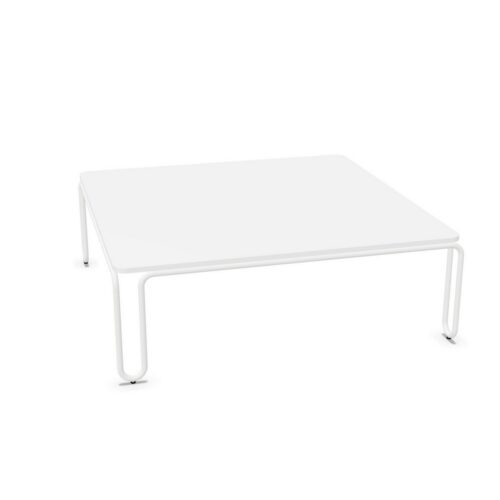
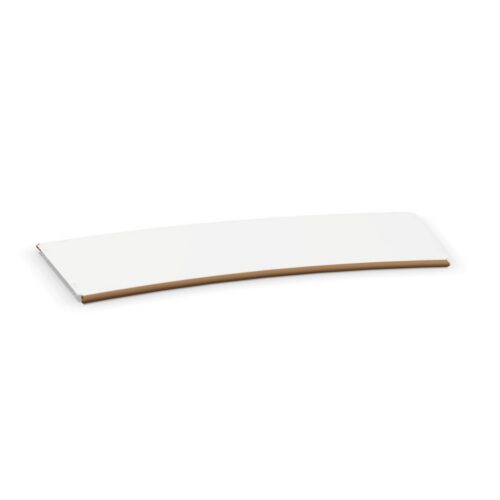


Evaluating lounge furniture with steel bases and beige surfaces
Start with the nearest background rather than the room's overall color description. Beige against a similar wall can create a close tonal relationship, while the same surface against a darker background will read more distinctly. Determine which relationship suits the location of the lounge. A peripheral seating group may sit within the surrounding palette, while a central group may need a more legible outline. Assess the actual furniture shape alongside the color, because the visibility of edges and the separation between pieces influence how clearly the arrangement is understood from the main approach.
Resolve small differences in undertone
Compare the beige surface directly with nearby pale colors. A shade may appear warmer, cooler, pinker, or more yellow when placed beside another neutral. These relationships are easier to judge together than from separate impressions. Review them under the lighting that the room uses during its normal activities. Where several similar pale colors meet, decide which should lead the composition and which should remain secondary. A clear hierarchy makes the variation deliberate. Avoid treating every slight difference as a mismatch; the useful question is whether the relationship supports the intended appearance of the space.
Use the base to understand visual definition
When considering lounge furniture with steel bases and beige surfaces, examine the actual base as part of the furniture's boundary with its surroundings. The steel material description does not establish whether that boundary will be pronounced or subtle. Look at the base color and form against both the beige surface and the floor. Check the view from across the room, then from the approaches into the group. If the surface closely resembles its background, the base may become a more noticeable part of the composition and deserves particular attention during comparison.
