



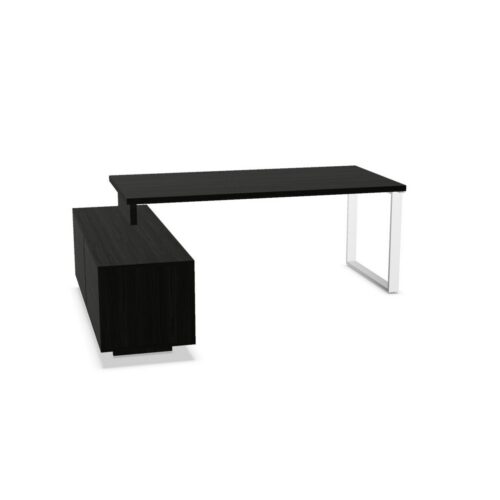


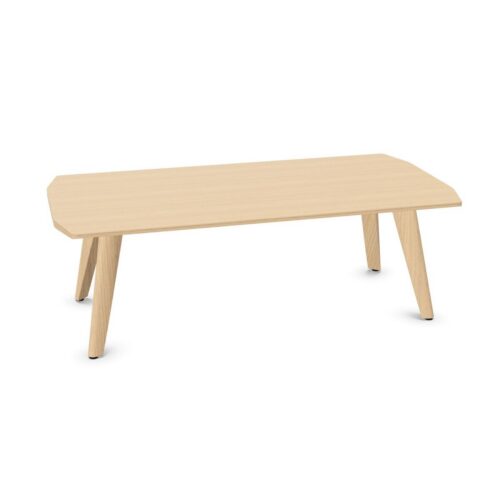
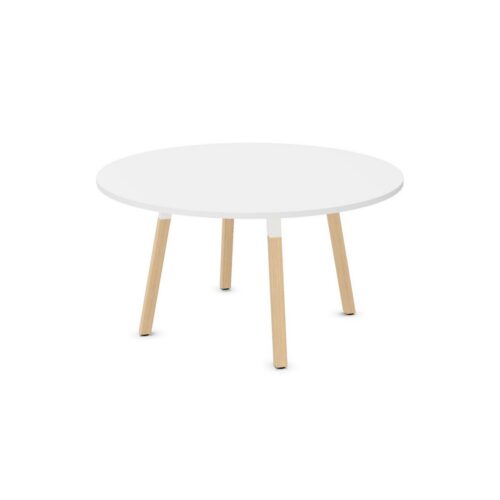





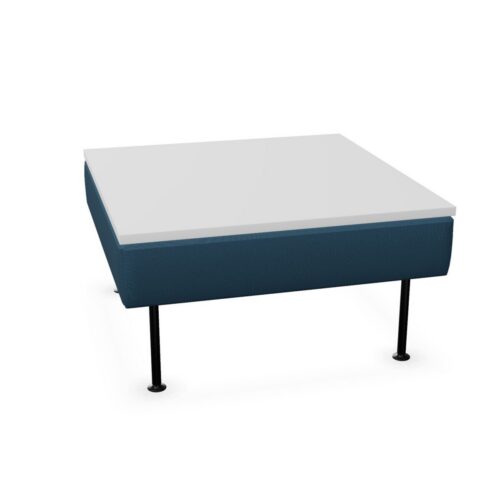


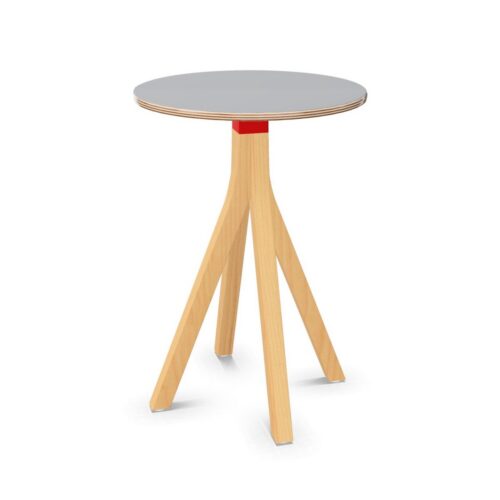
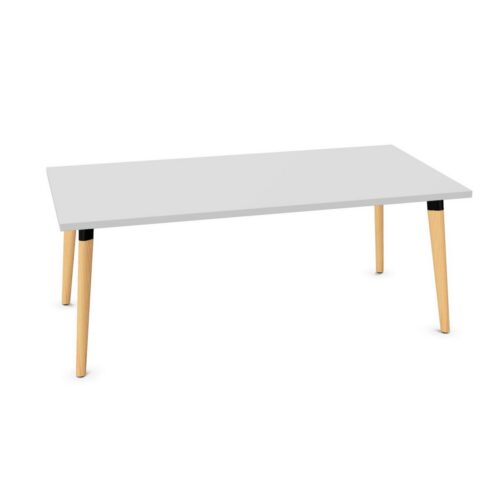


Composing lounge furniture with wood bases and black surfaces
Give the black surfaces a clear place within the room's visual hierarchy. They may repeat an existing dark tone or establish a separate tonal area within a lighter interior. These approaches create different relationships with surrounding furniture and architecture, so identify the intended result before comparing arrangements. Look at the actual surface outline from the entrance and from neighboring work areas. Consider whether the lounge should read as a single group or as distinct elements within a broader setting. The wood bases belong in the same assessment, because their visible appearance can influence how the lower part of the composition relates to its surroundings.
Test the Background Relationship
Assess black against the background that will actually sit behind it. A dark wall and a pale wall provide different levels of tonal separation, but neither determines the quality of the overall arrangement. The relevant question is whether the furniture boundary reads as intended. When reviewing lounge furniture with wood bases and black surfaces, also look at the floor around the bases. The relationship beneath the furniture may differ from the one behind it. Review these views together, then decide whether the arrangement needs a different orientation or position to achieve the desired balance between the seating group and the rest of the room.
